Horses & Ponies
Friendly, practical guides to keeping horses, ponies and donkeys well: deciding whether to own one, the paperwork, grazing, forage-first feeding, hooves, teeth, blankets (rugs), breeds and the kit that helps.
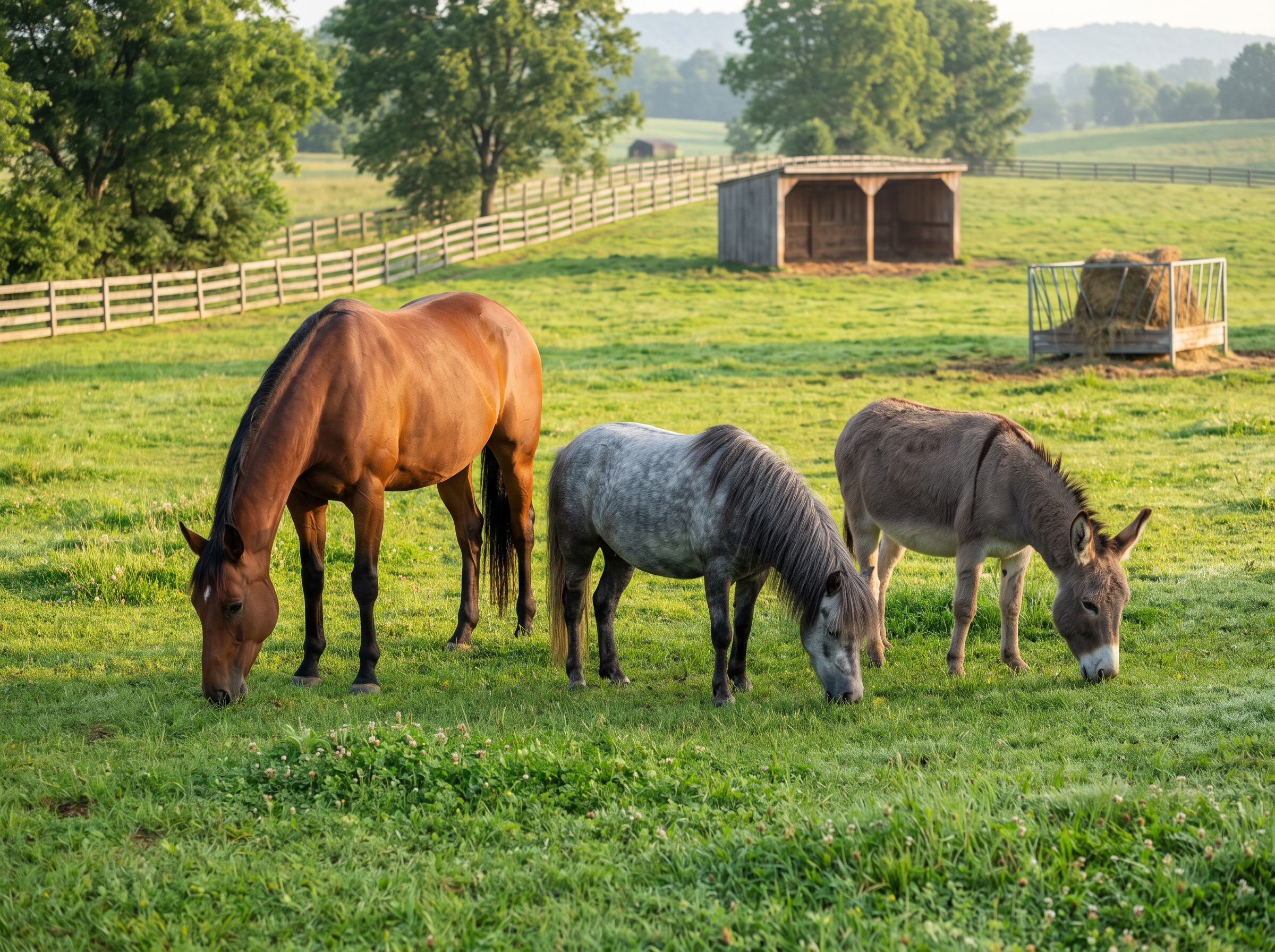
The Everyday Yard Kit
Each button opens a search in your own country's Amazon store. As an Amazon Associate we earn from qualifying purchases.
Getting Started
Read these before you buy, borrow or share.
Pony and Donkey Breeds
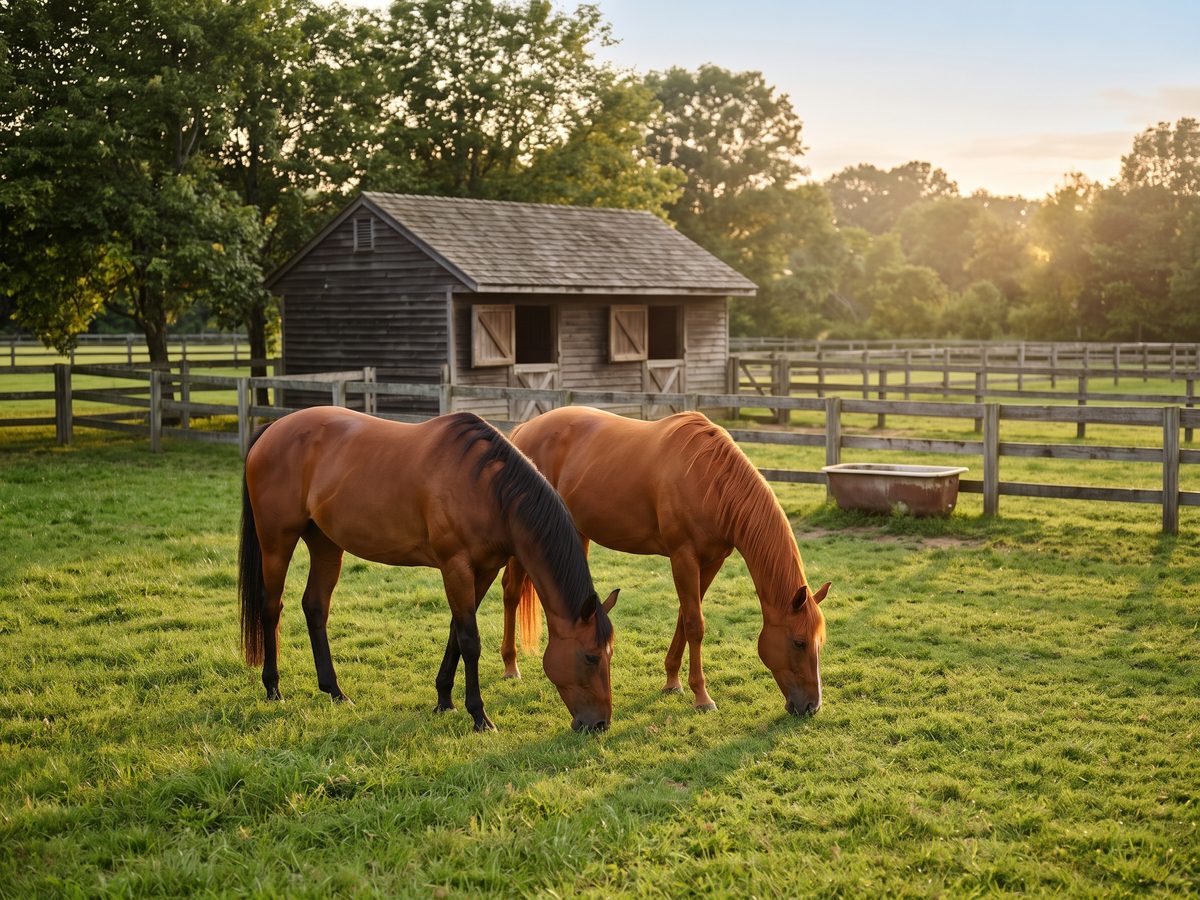
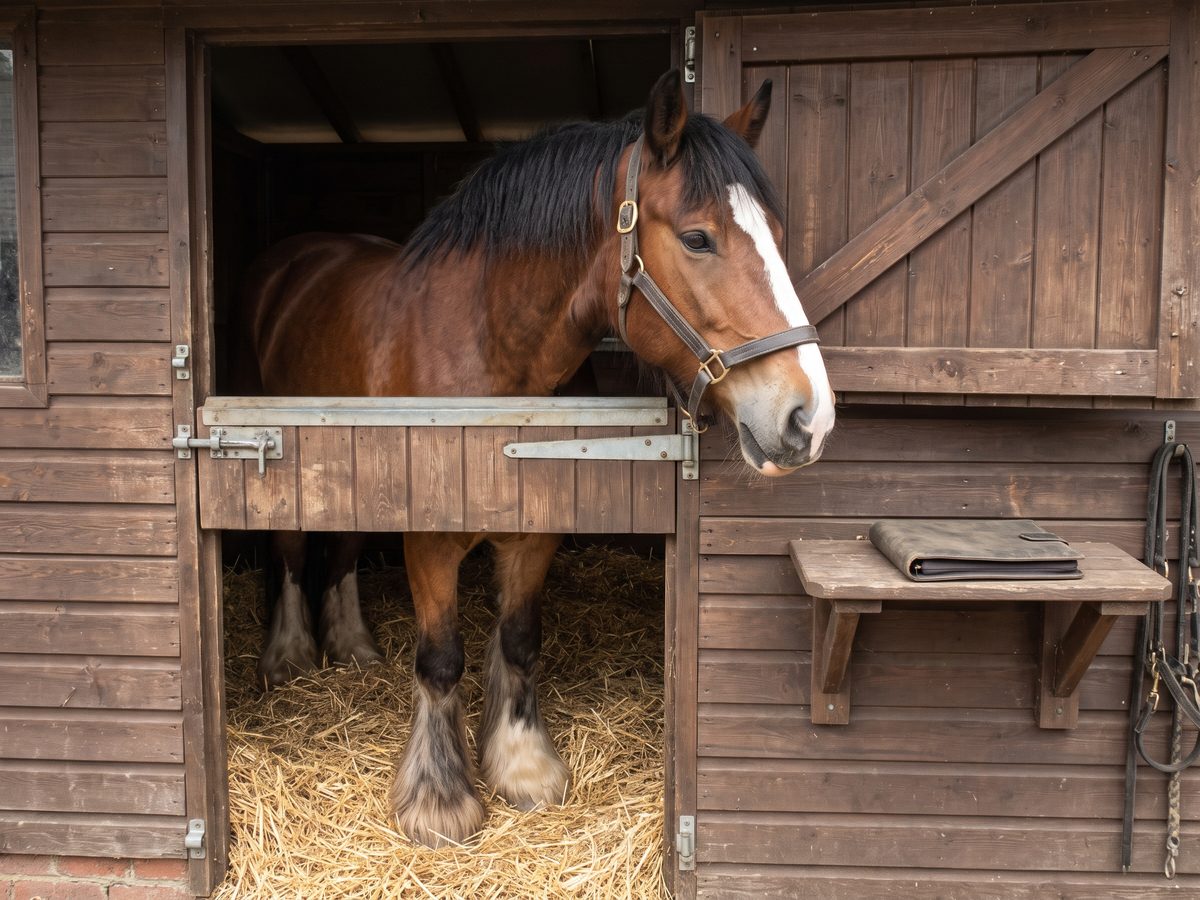
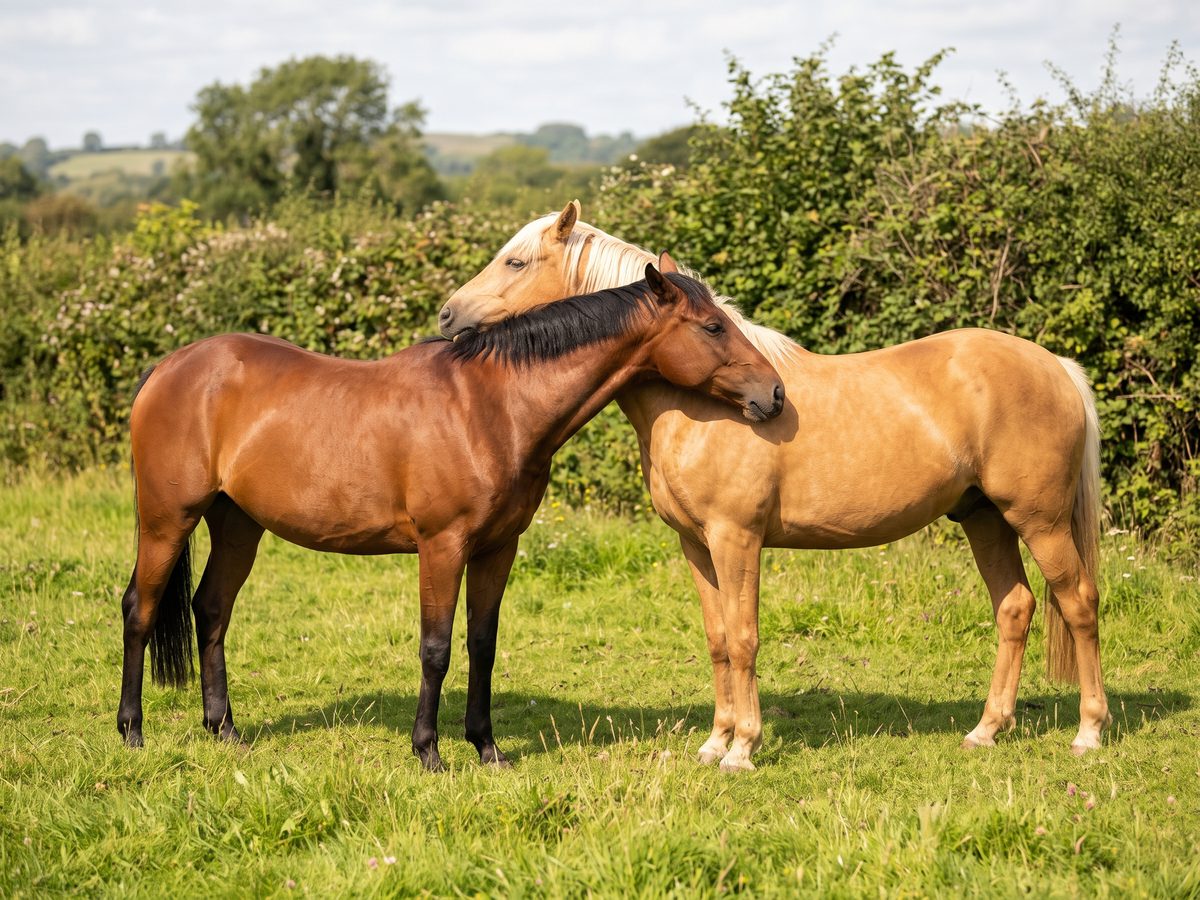
Native ponies and donkeys, with sizes in hands, inches and cm.
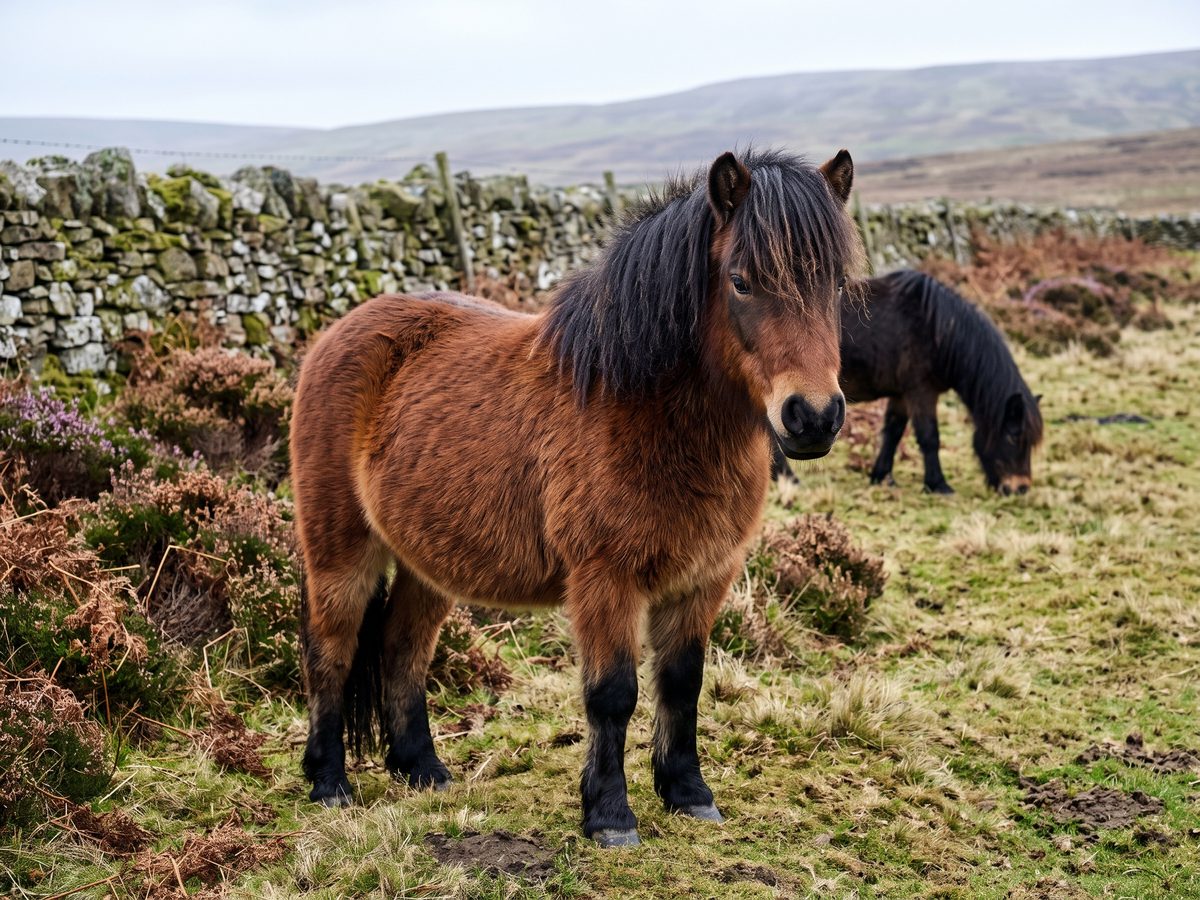
Shetland Pony
Small, strong, clever and long-lived
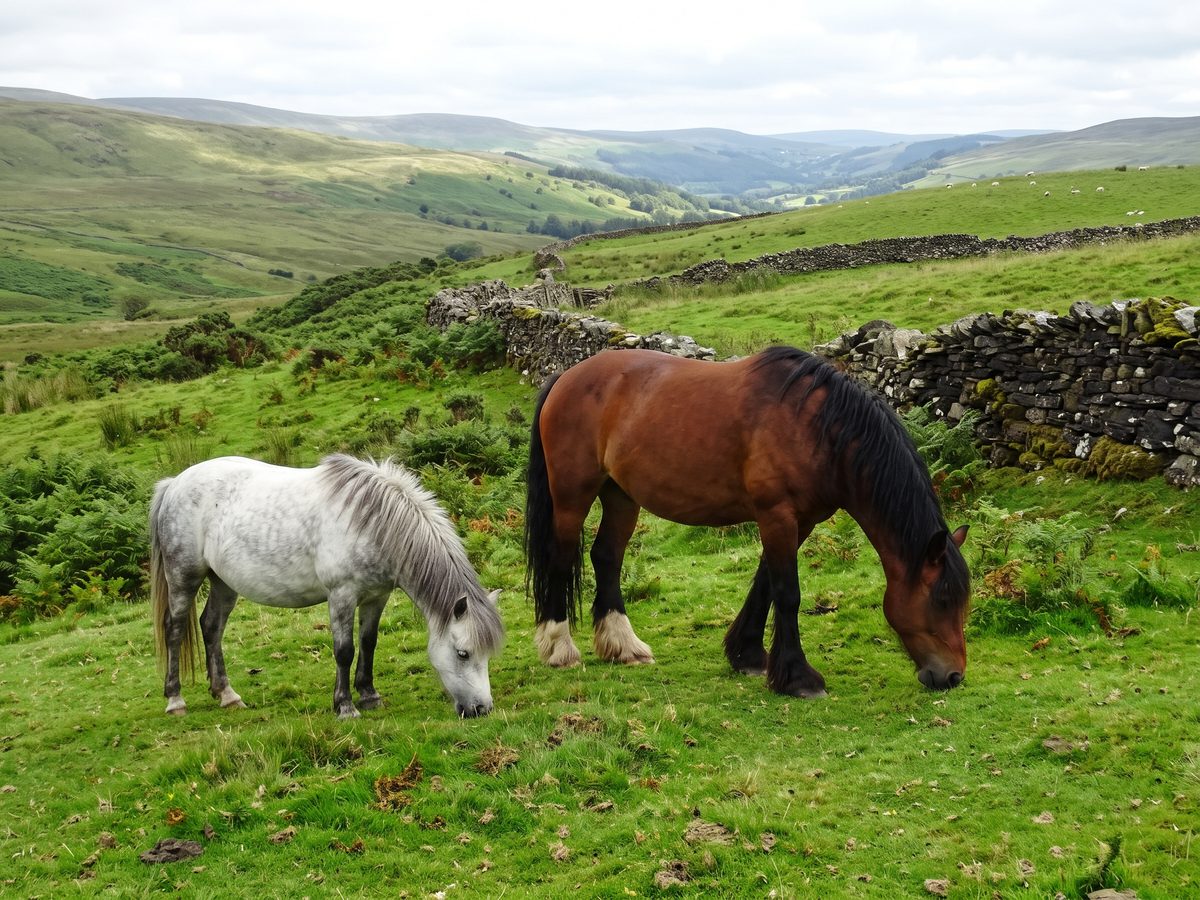
Welsh Ponies & Cobs
Sections A to D, from first pony to adult cob
Connemara Pony
Ireland's athletic jumping pony
Dales Pony
Strong, black and feathered, carries adults
Dartmoor Pony
A sturdy children's pony from Devon
Donkeys & Miniature Donkeys
Pairs for life, dry shelter and low-sugar grazing
Exmoor Pony
Mealy muzzle, moorland hardiness
Fell Pony
Northern pack pony for riding and driving
Highland Pony
Strong, calm duns from the Scottish hills
New Forest Pony
Versatile family pony from the Forest
Horse Breeds
Andalusian & Lusitano
The classical Iberian horses
Arabian Horse
Dished face, stamina and sensitivity
Cobs & Gypsy Cobs
Stocky, steady and feathered
Friesian Horse
Black, feathered and high-stepping
Haflinger
Golden mountain horse with a flaxen mane
Irish Draught
Ireland's sensible, big-boned all-rounder
Norwegian Fjord
Dun, calm and strong, with that striped mane
Quarter Horse & Appaloosa
Muscle, spots and western riding
Shire & Clydesdale
Gentle giants and their feather
Thoroughbred
Athletes, ex-racehorses and second careers
Warmbloods
Sport-horse studbooks explained
Land and Housing
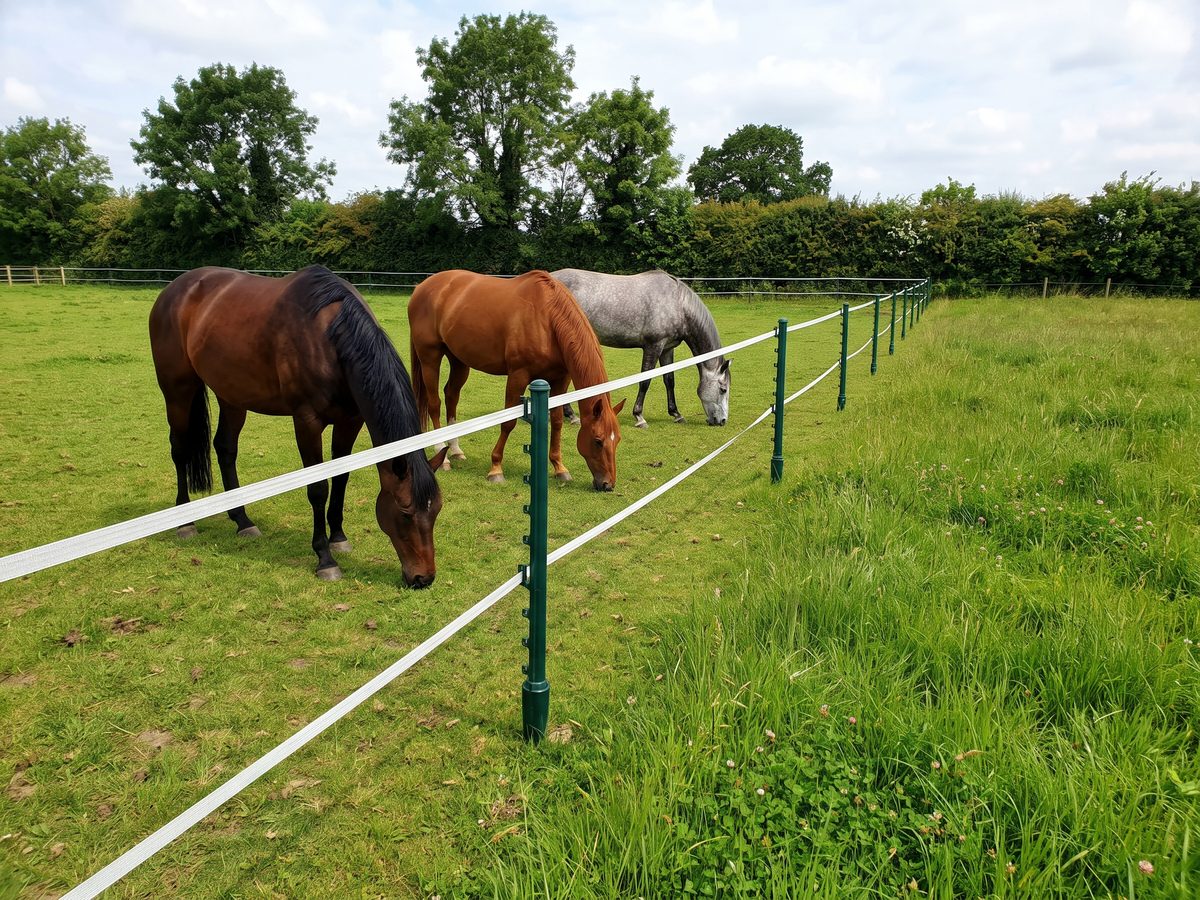
Feeding
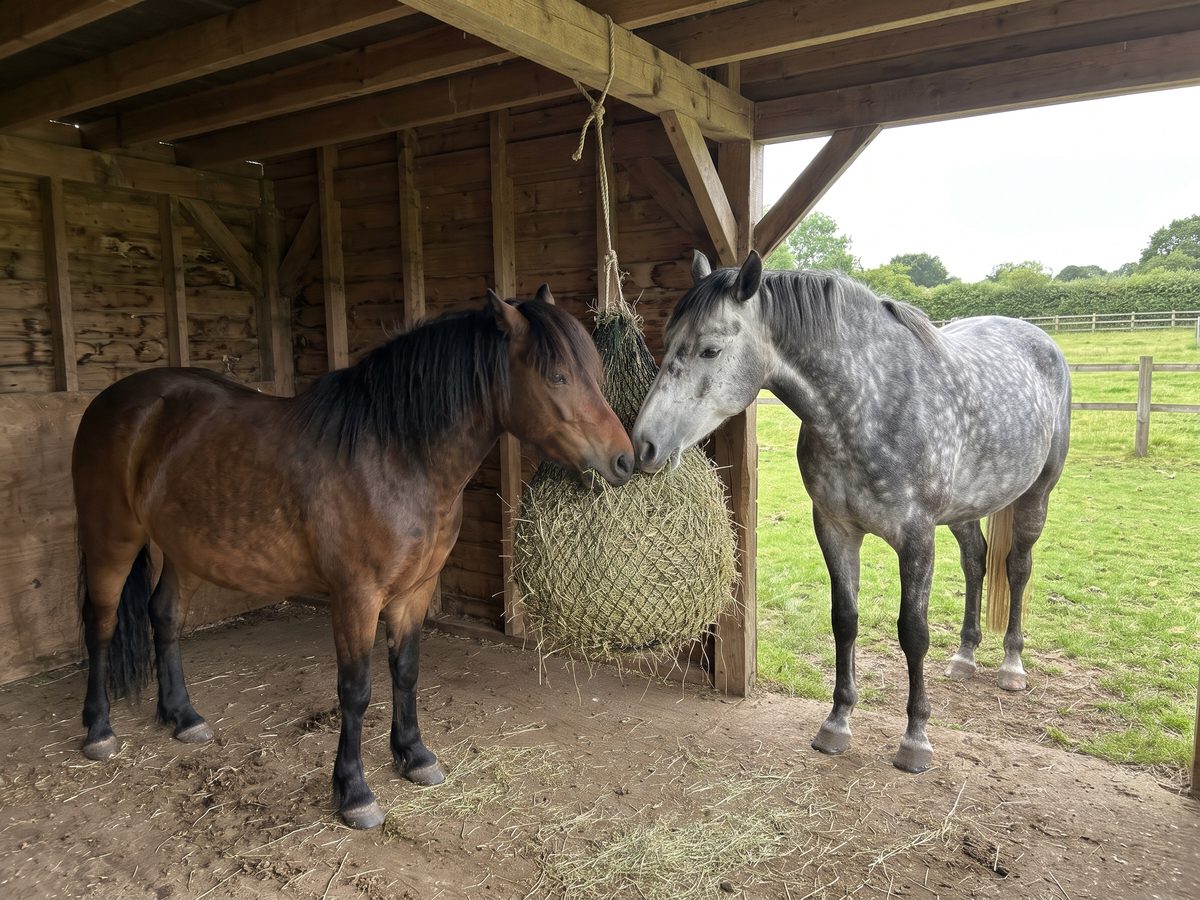
Health Basics
Preventive care with your vet, farrier and dental technician.
Health & Hoof Care
The preventive routine and a medicine-free first-aid box
Hoof Care & the Farrier
Daily checks, shoes or barefoot, lost shoes
Teeth & Dental Care
Yearly checks, vets and dental technicians
Body Condition Scoring
The 1 to 9 and 0 to 5 scales, by hand
Caring for an Older Horse
Check-ups, weight, warmth and retirement options
Modern Worming
Egg counts first, then a plan from your vet
Summer Fly Control
Masks, sheets, muck heaps and turnout times
Riding and Travel
Gear and Grooming
Worming, vaccinations and any medicines: see your vet or a pet supply store with trained staff. Our guides cover preventive care only and never link to medicines.
Frequently Asked Questions
Where most new owners start.
What is the most common feeding mistake?
Treating the bucket feed as the main meal. Hay or grass should make up most of what a horse eats, with a balancer or feed only to fill gaps. Our forage-first feeding guide explains how much.
Why is there no worming schedule on this site?
Because modern worming starts with testing. Your vet uses fecal egg counts, your horse's history and your grazing to decide what is needed and when.
Does my pony need a passport?
In the UK every horse, pony and donkey needs one, and in England a microchip too. In the US there is no national passport, but states ask for a Coggins test and health certificate to travel. See our passports guide.
Can I keep just one horse?
Horses are herd animals and shouldn't live alone. Plan for at least two equines, or keep your horse at a yard with others.
Related Reading
- Smallholding: goats, sheep, pigs and other farm companions.
- Finding a vet: questions to ask an equine practice.
- Shop: our Amazon store for everything else.