Buying a Horse or Pony: Viewings, Vettings and Loan Agreements
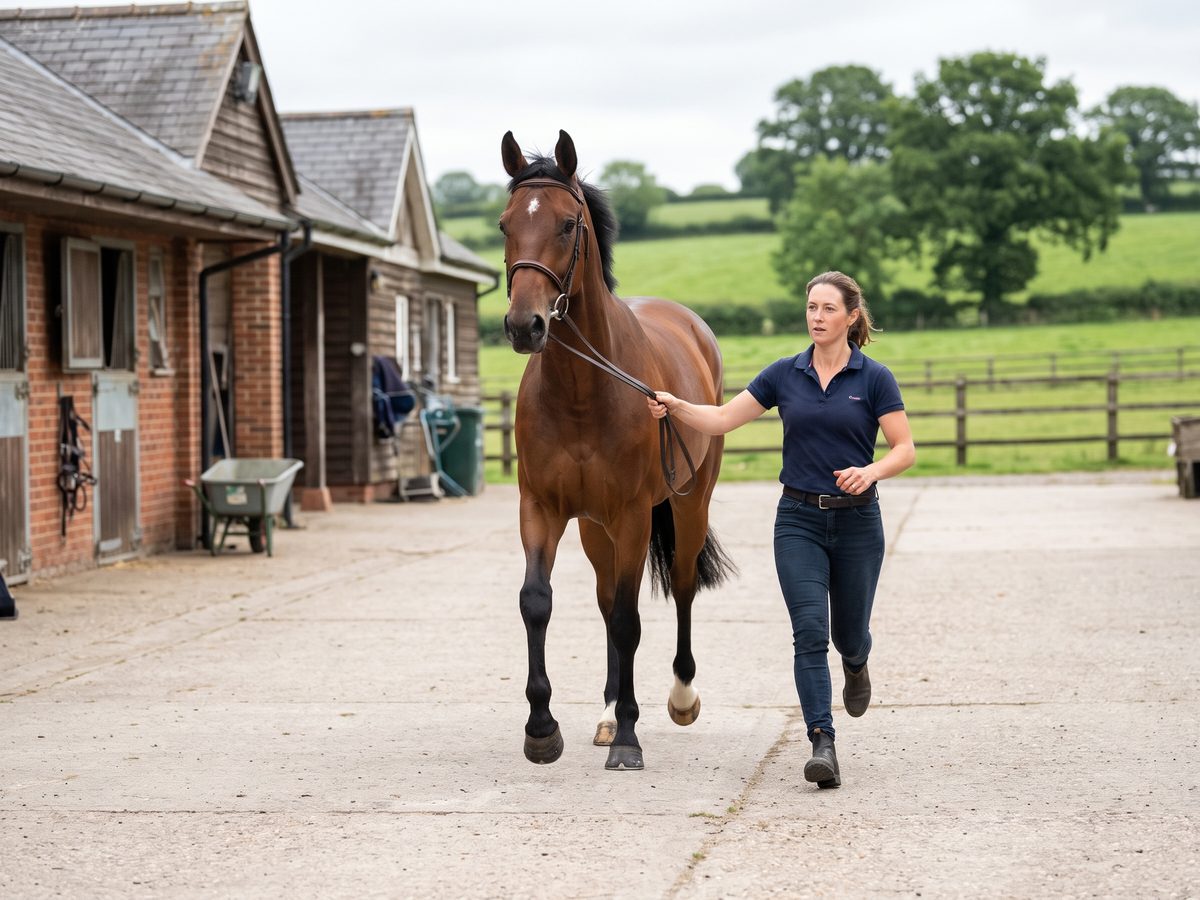
Decide What You Need First
Write down what the horse is for (hacking, lessons, a first pony, showing, driving, company), your height, weight and experience, your budget for buying and keeping, and where it will live. A calm, experienced horse that suits you today is worth more than a young or green horse you might grow into.
If you aren't sure yet, read should you own a horse? and consider a share or loan first.
Where to Look
- Rescue and rehoming charities: often offer horses on loan with ongoing support, and know their horses well.
- Reputable dealers and breeders: ask around locally and check reviews.
- Private sellers: ask why the horse is for sale, how long they have had it and what it is like to handle, catch, load, shoe and clip.
- Riding schools and yards sometimes sell or loan horses they know well.
Be wary of a seller who rushes you, won't let you see the horse in its usual home, or can't show you its paperwork.
Viewing and Trying the Horse
- Take someone experienced, ideally your instructor.
- Ask that it isn't tacked up or worked before you arrive, so you see it as it is.
- Watch it caught, led, groomed, tacked up and its feet picked up.
- See the seller ride first, then ride it yourself in an arena and, if you plan to hack, out on a quiet road or track.
- Go back a second time, at a different time of day if you can.
- Ask about its history: how long the seller has had it, its routine, any past vet treatment, and whether it can live out, travel and be handled by the farrier.
The Pre-Purchase Examination (Vetting)
A vetting is an examination by a vet acting for you, the buyer, not the seller. In the UK, the BEVA and RCVS guidance describes a standard five-stage examination: a clinical exam, a walk and trot, strenuous exercise, a rest, and a final trot-up. A limited two-stage version covers only the first two stages and may miss things the full exam would find.
- A blood sample is usually taken and stored for a set time, so it can be tested later if a question arises about medicines given before the vetting.
- X-rays and other extras can be added; ask your vet what suits the horse's age and job.
- The vetting is an assessment on the day, not a guarantee. Tell your vet what you want the horse for.
In other countries pre-purchase exams vary, so ask the vet beforehand exactly what is included.
Questions about a horse's medicines, vaccinations or worming history: see your vet or a pet supply store with trained staff. Ask the seller for records and show them to your vet.
Getting Ready for Your New Horse
Each button opens a search in your own country's Amazon store. As an Amazon Associate we earn from qualifying purchases.
A new headcollar and lead rope in the right size, a basic grooming kit and a hoof pick are the first buys. Travel boots protect legs on the journey home. A waterproof document wallet keeps the passport and papers together, and a record book starts the new horse's care diary on day one.
Paperwork
- UK: see the passport, check the microchip number matches it (your vet can scan), and check it on the national chip checker. After buying, tell the Passport Issuing Organisation within 30 days.
- US: ask for a current negative Coggins test, any health certificate needed to move the horse, and registration papers if it is registered.
- Everywhere: a written receipt or sale agreement, plus vaccination, worming and farrier records.
Rules differ by country, so check with your national authority. More in horse passports and microchips.
Loaning and Sharing: Put It in Writing
The British Horse Society strongly recommends a written loan agreement for both owner and borrower. A good agreement covers:
- where the horse will live and what it may be used for;
- who pays for livery, feed, farrier, vet, dentist and insurance;
- who makes vet decisions, and how to reach the owner;
- how often the owner may visit;
- notice periods, what happens if the horse becomes unsuitable or unwell, and how the loan ends.
Charities and horse societies publish sample agreements. Keep a signed copy each.
Frequently Asked Questions
Before you shake hands on a deal.
Do I really need a vetting?
It is strongly advised. An independent vet acting for you can spot problems you might miss, and in the UK the full five-stage vetting gives the most information.
Should I use the seller's vet?
It is usually better to use your own independent vet, who acts only for you. Tell them what you want the horse for.
What age is best for a first horse?
There is no perfect age, but many first-time owners do best with an experienced, calm horse in its teens or older rather than a young one still learning.
What should a loan agreement include?
Where the horse lives, what it is used for, who pays for what, who makes vet decisions, visiting rights, notice periods and how the loan ends. The British Horse Society recommends one for every loan.
What if the seller doesn't hand over the passport?
In the UK, don't complete the sale without it. If a seller won't give it to you after a sale, gov.uk says to contact your local trading standards office.
Related Reading
- Should you own a horse?: time, costs and livery.
- Horse passports and microchips: the ID rules.
- Rescue vs breeder: the same questions, across species.
Book your own vet for the vetting, and register the new horse with an equine vet near its new home before it arrives.