Wildlife Gardening: Help Birds, Bees, Hedgehogs and Bats
Gardens, yards and balconies can be a lifeline for wild birds, bees, frogs, hedgehogs and bats. These guides cover simple, practical changes for gardeners anywhere in the world, with notes on where species and laws differ.
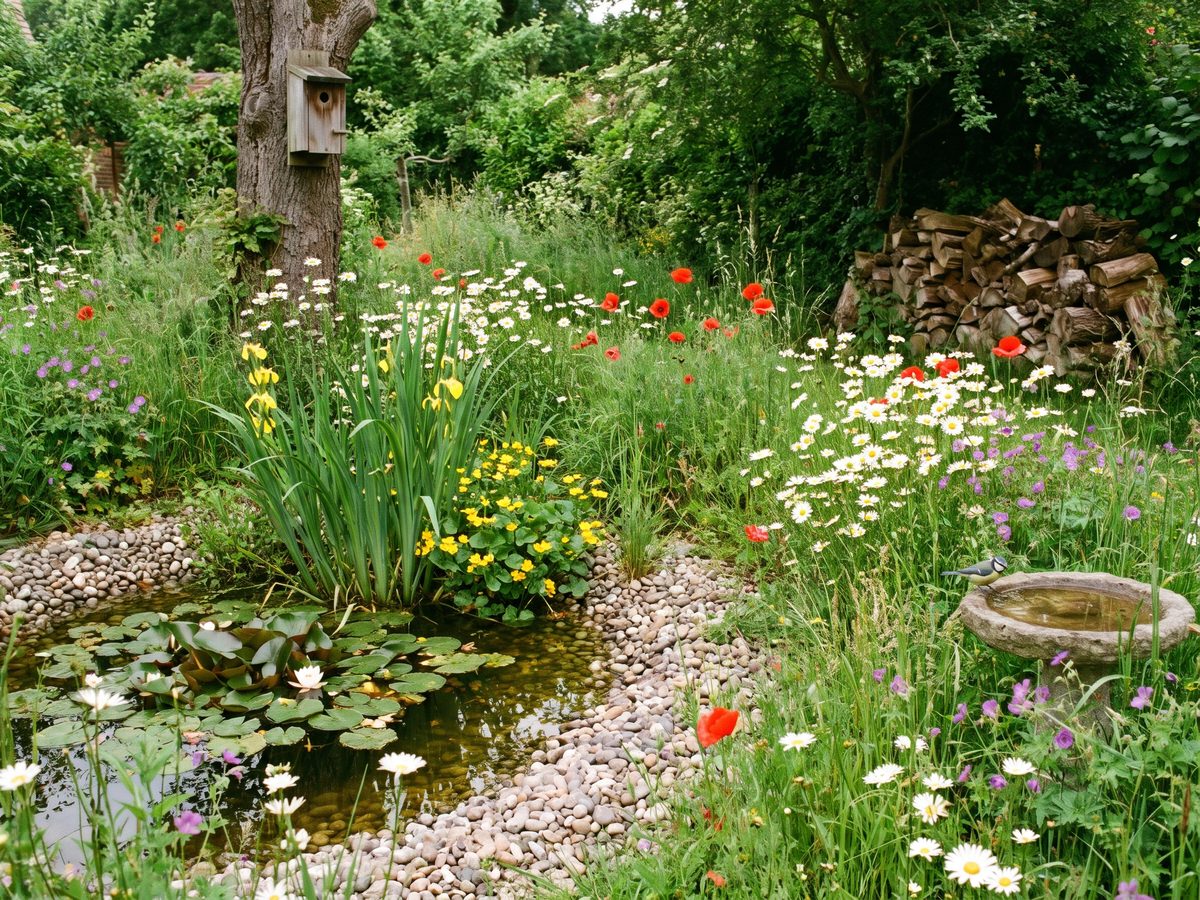
A Wildlife Garden Starter Kit
Each button opens a search in your own country's Amazon store. As an Amazon Associate we earn from qualifying purchases.
Start Here
Small changes that help, whatever the size of your garden.
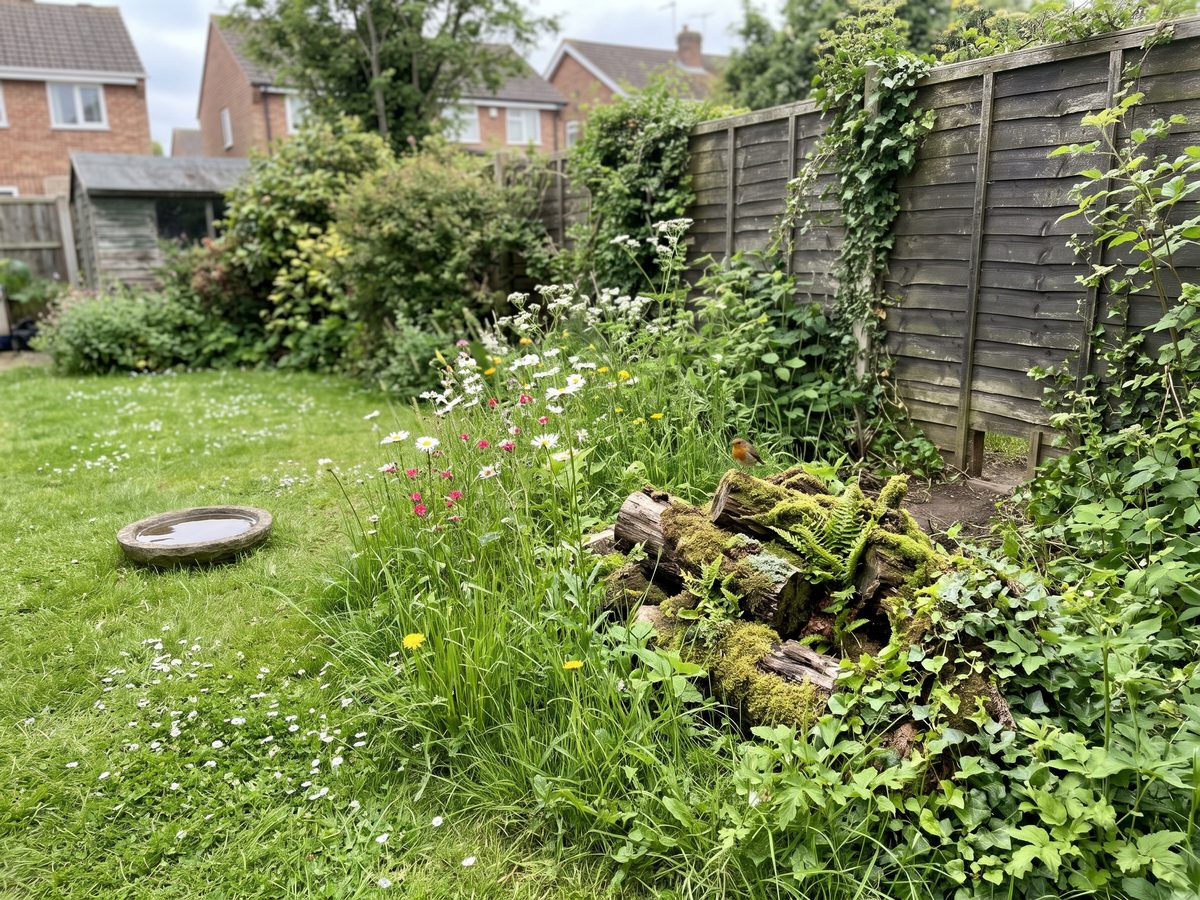
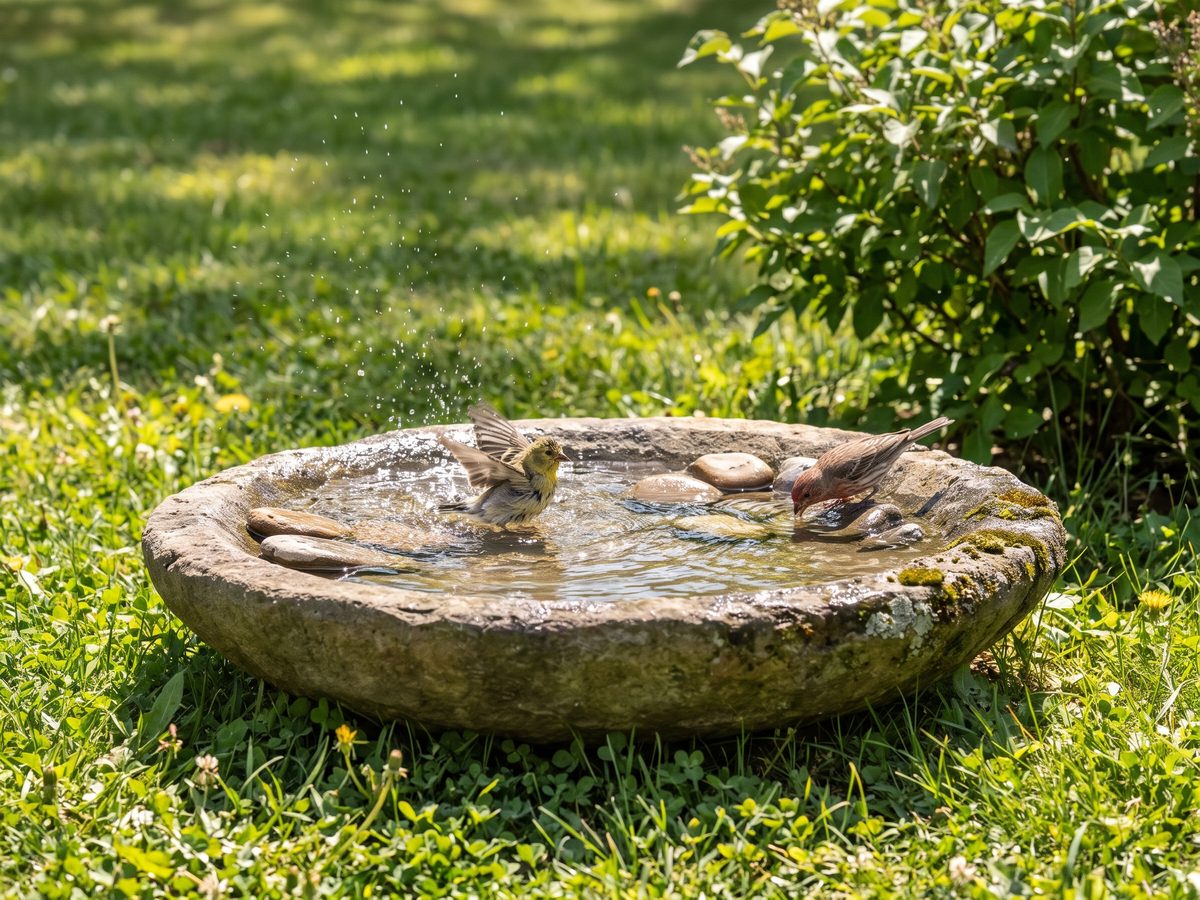
Garden Birds
Food, water and a place to nest, with the law on nests.
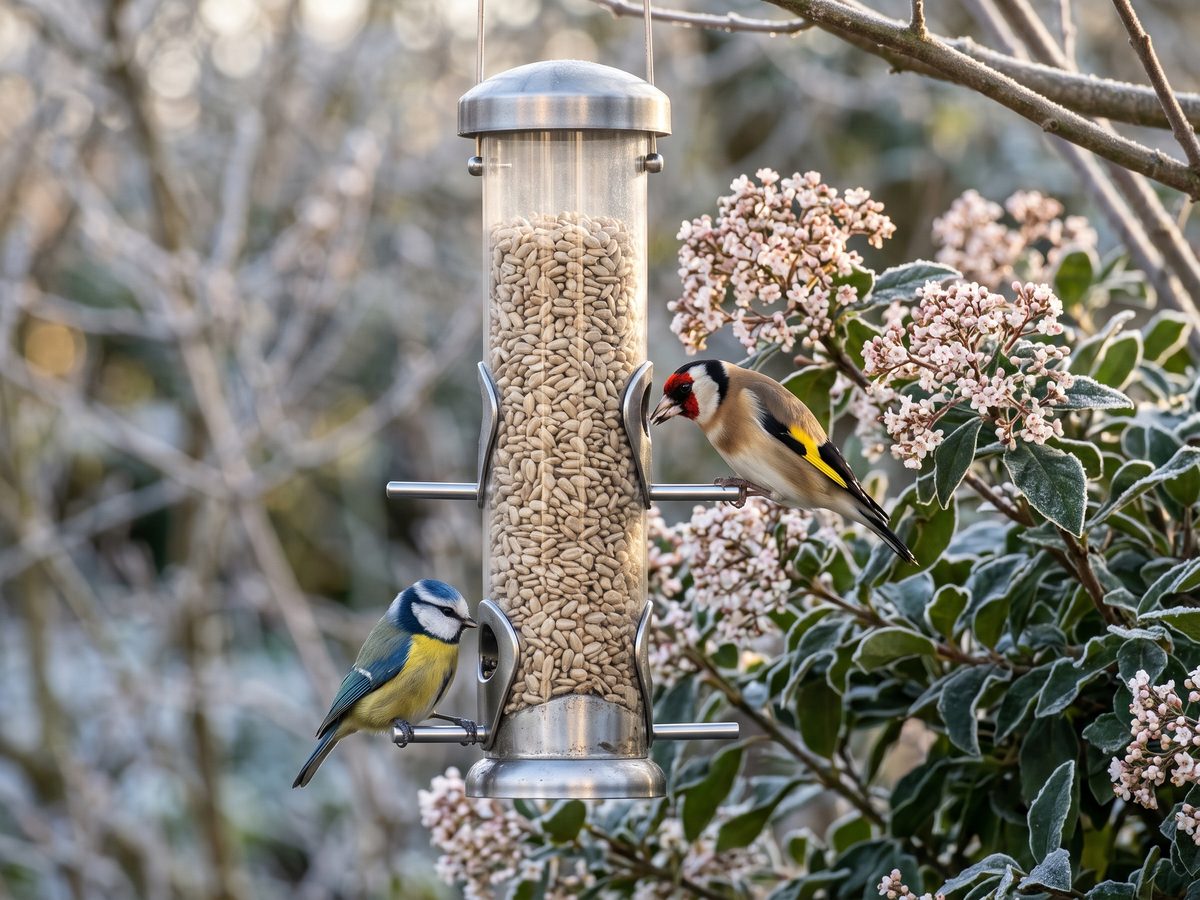
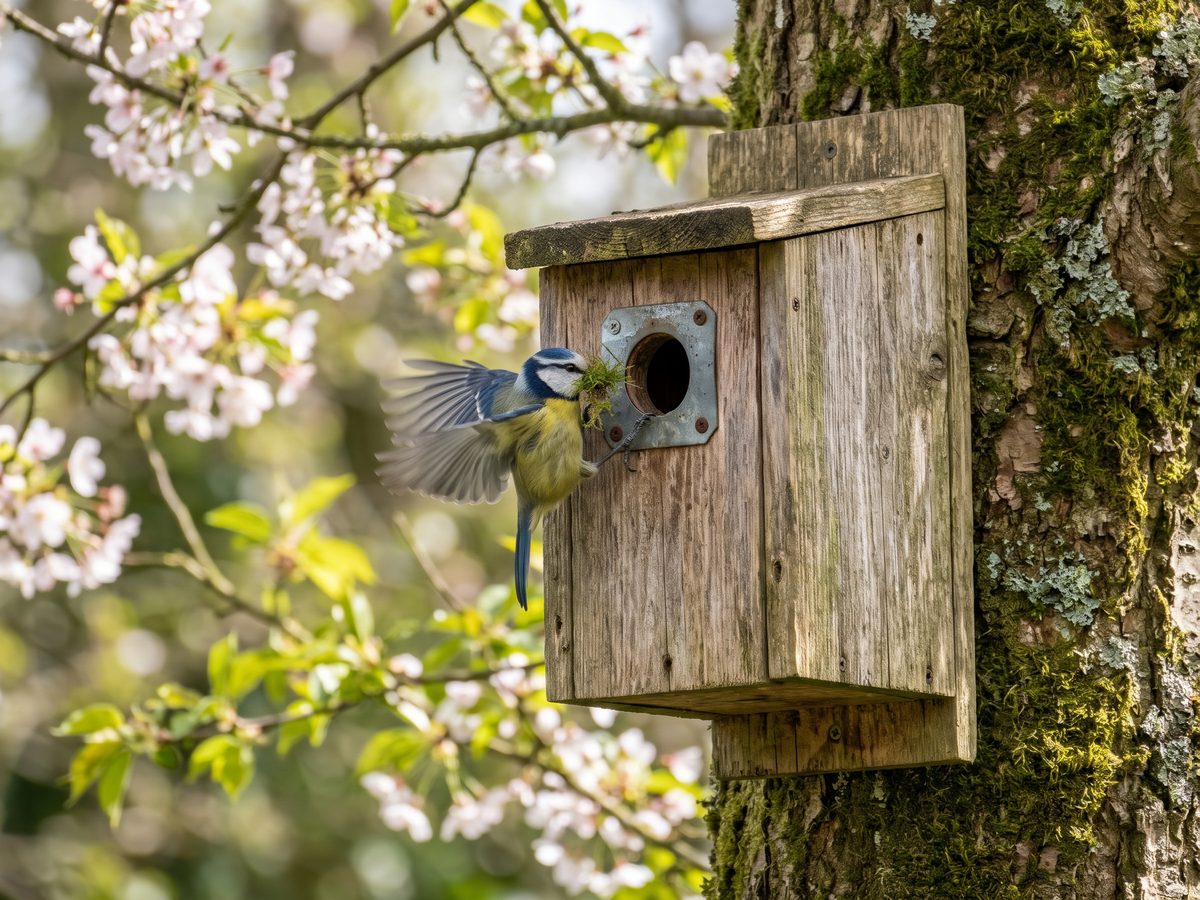
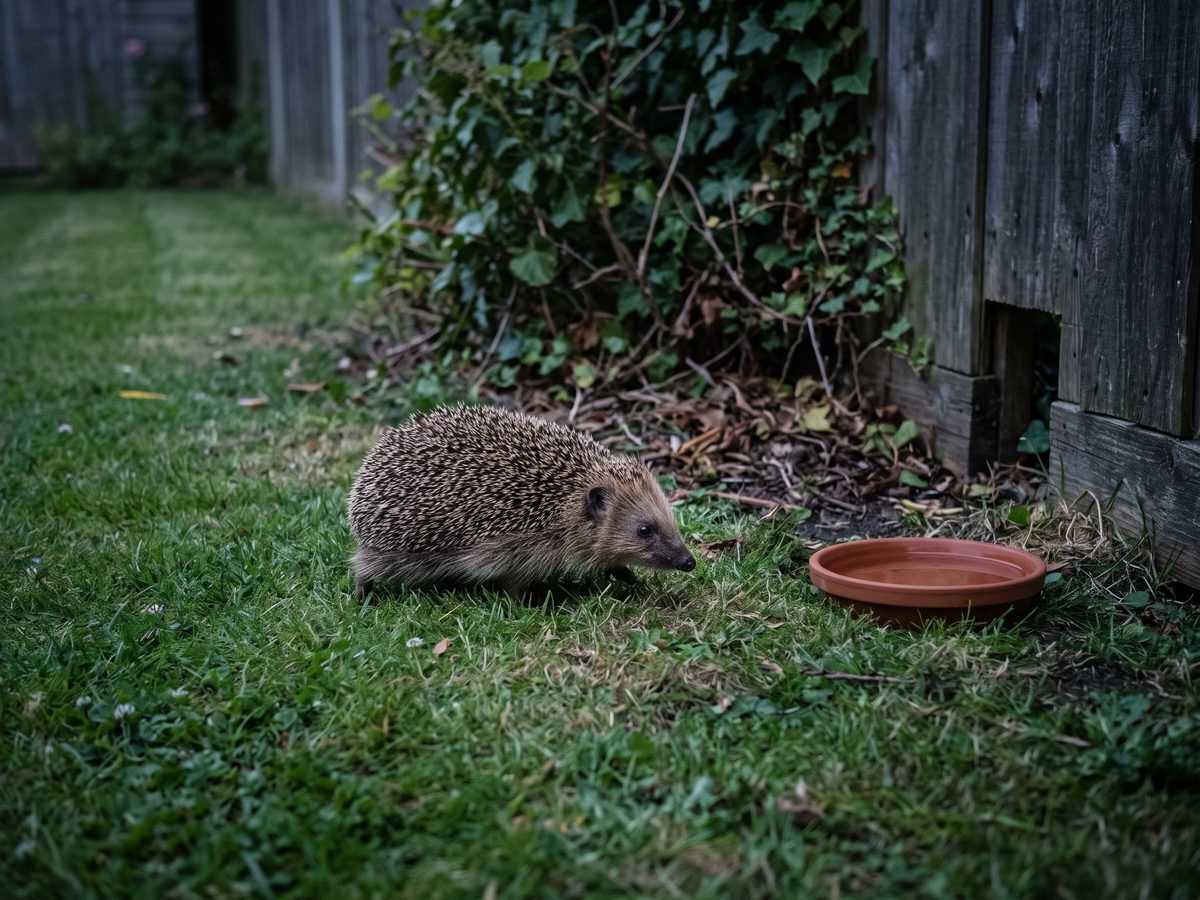
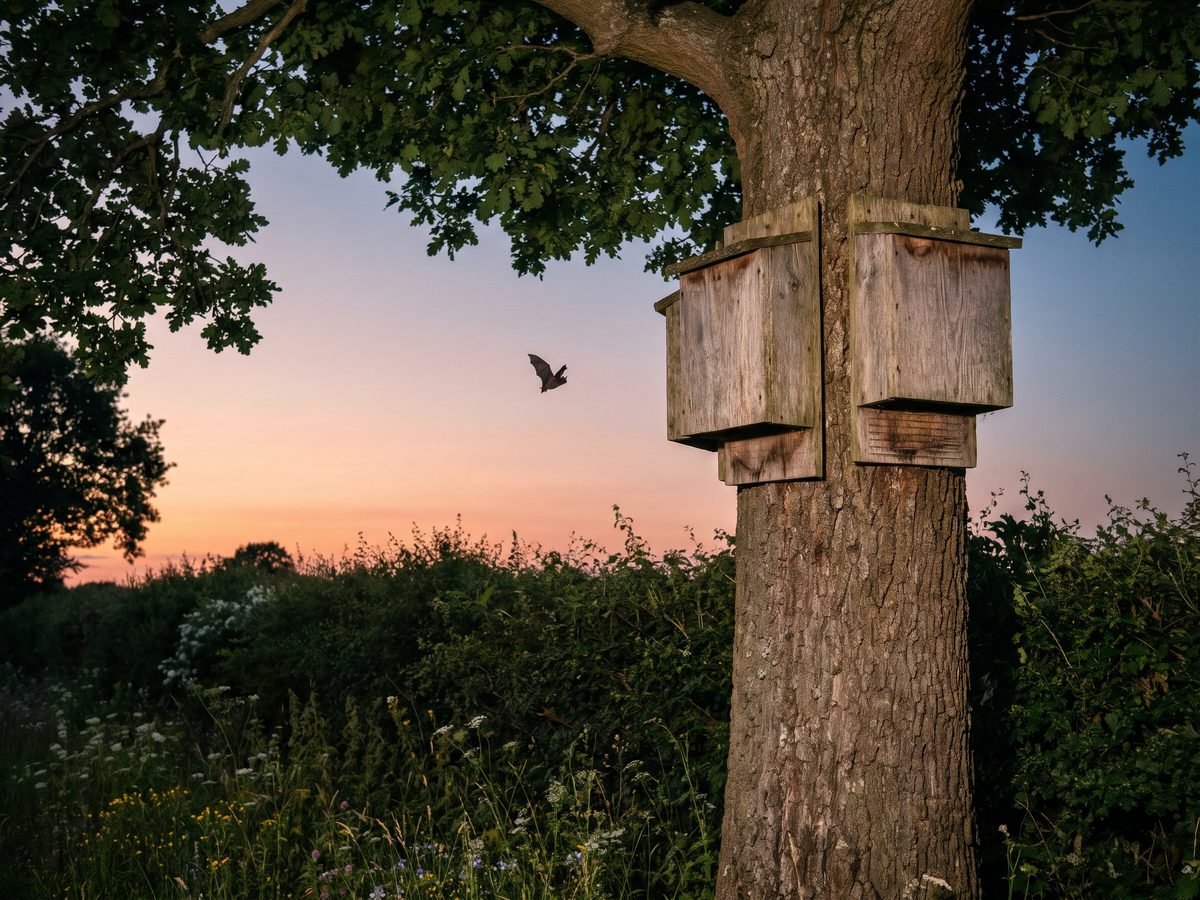
Hedgehogs and Bats
Night visitors that need safe routes, food and roosts.
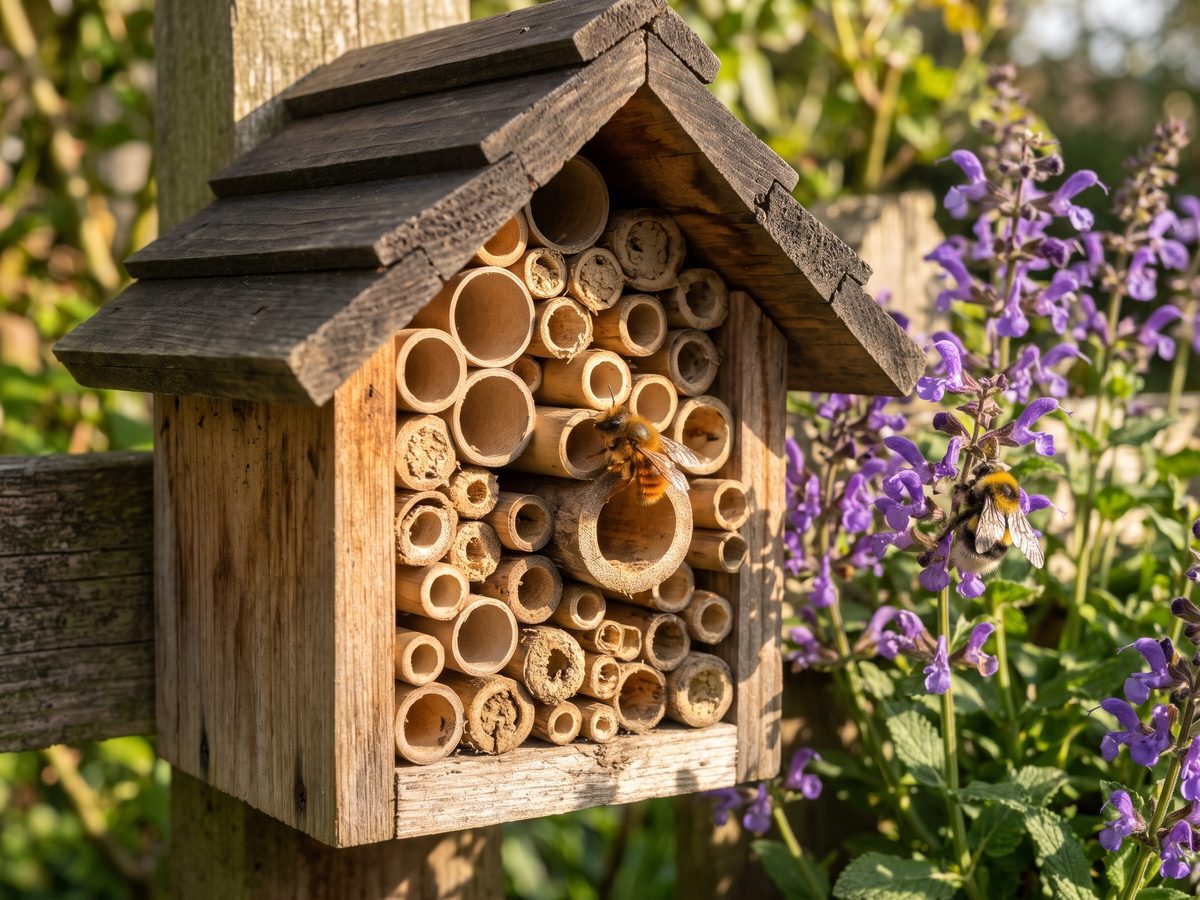
Bees, Pollinators and Ponds
Flowers, bee hotels and the most valuable feature of all: water.
Frequently Asked Questions
The questions people ask before they start.
Do I need a big garden to help wildlife?
No. A balcony with flowers and a dish of water helps bees and birds, and a small yard with a log pile, a nest box and a gap in the fence can help much more.
Which single change helps wildlife most?
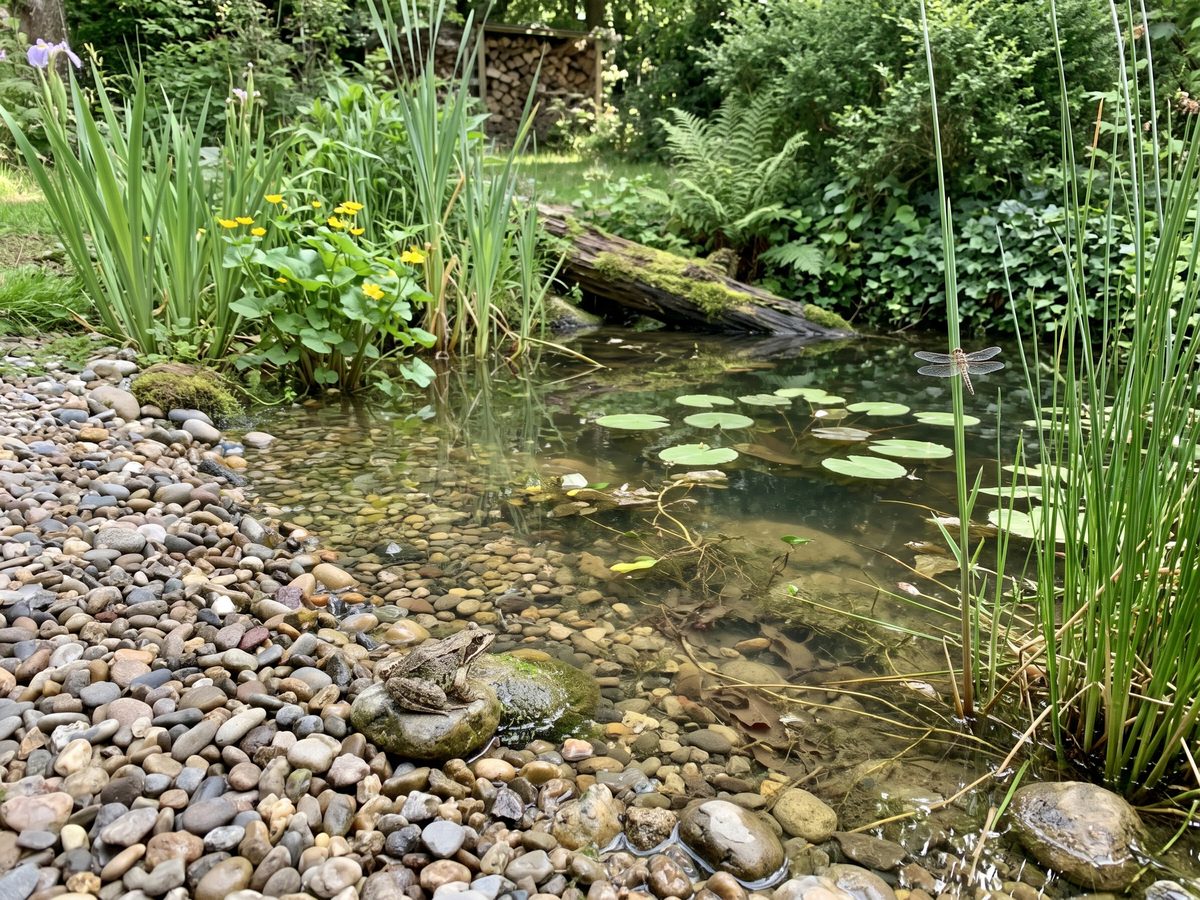
Adding water. A shallow bird bath helps birds and insects, and even a tiny pond can bring dragonflies, frogs and newts where they live.
Are nests and bat roosts protected by law?
In most countries, yes. Active bird nests are protected in the UK, the EU, the US, Canada, Australia and New Zealand, and bats and their roosts are strictly protected in the UK and EU. Rules differ by country, so check with your national authority.
Is this advice the same everywhere?
The basics are: water, native plants, shelter and no pesticides. Species, seasons and laws differ, so each guide says where advice changes and points to national wildlife bodies.
Related Reading
- Cats and garden wildlife: sharing the garden with a hunter.
- Predator-proofing for poultry: keeping hens safe in a wildlife-rich garden.
- African pygmy hedgehogs as pets: the African pygmy hedgehog, a different animal.