American Quarter Horse and Appaloosa: Size, Temperament and Care
Who These Breeds Suit
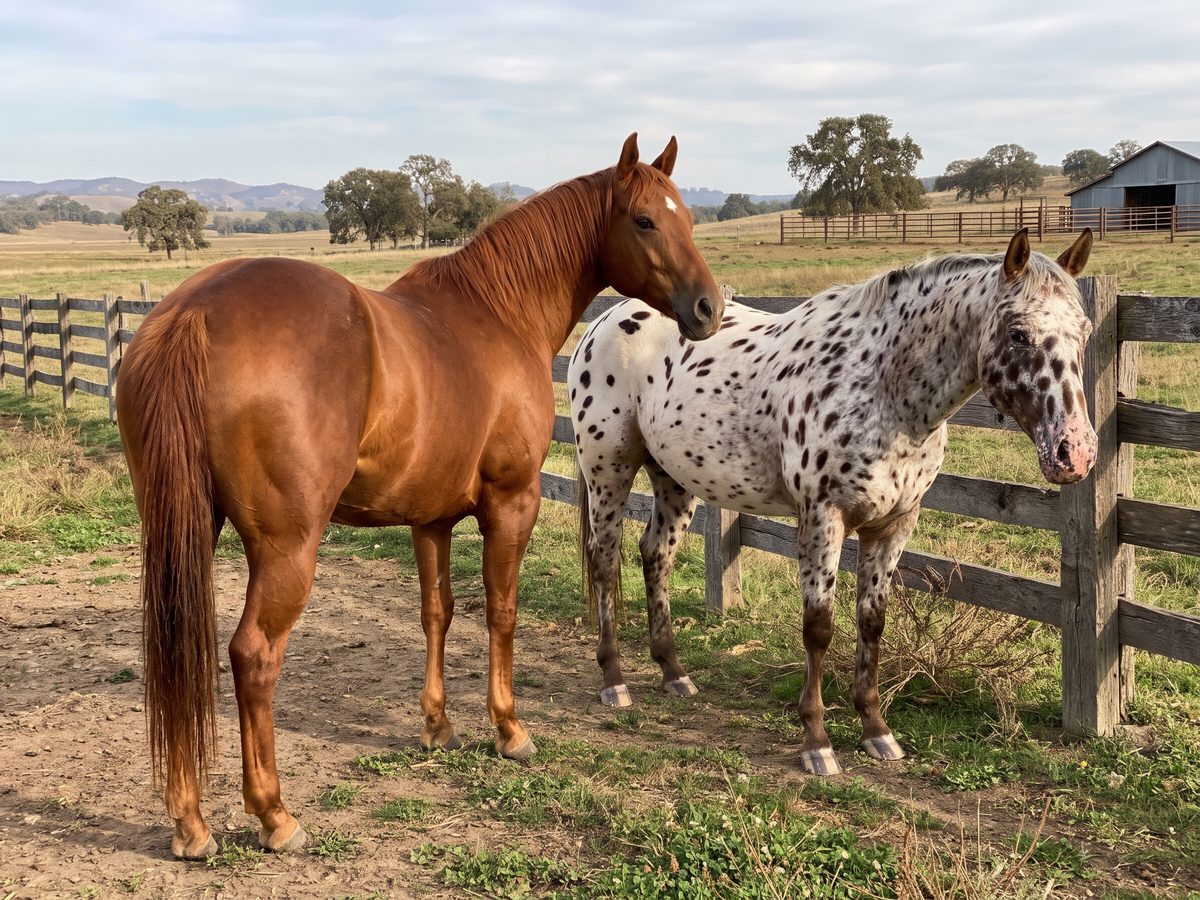
Quarter Horses suit riders who want a calm, sensible, athletic horse for western disciplines, trail riding, ranch work or a family all-rounder. Many are known for an easygoing temperament and "cow sense".
Appaloosas suit similar riders and add a striking coat. Both breeds vary, so meet the individual horse.
American Breeds
The Quarter Horse takes its name from racing over a quarter of a mile in colonial America, and it became the ranch horse of the American West. The American Quarter Horse Association (AQHA) keeps one of the largest breed registries in the world.
The Appaloosa is associated with the Nez Perce people of the Pacific Northwest. The Appaloosa Horse Club lists four identifying traits: a coat pattern, mottled skin, white sclera and striped hooves. To register, a horse needs a recognizable coat pattern or mottled skin plus at least one other trait.
Feeding and Grazing
Quarter Horses and Appaloosas are often good-doers that keep weight easily on forage alone. On rich grass, extra weight raises the risk of laminitis, so ask your vet whether grazing should be limited, especially in spring. Base the diet on weighed hay and sensible grazing, with a balancer or mineral lick for vitamins and minerals.
Hooves, Teeth, Coat and Weather
Pick out feet daily and book the farrier every few weeks, and a dental check at least once a year. See hoof care and the farrier and teeth and dental care.
Appaloosas and horses with pink, mottled skin around the face may burn in strong sun; shade and a fly mask with a sun-protective nose cover help. Ask your vet if the skin looks sore.
Gear for a Quarter Horse or Appaloosa
Each button opens a search in your own country's Amazon store. As an Amazon Associate we earn from qualifying purchases.
A rope halter and lead are popular for groundwork. A slow-feed haynet keeps a good-doer busy, a weigh tape tracks condition, and a grazing muzzle can help on rich grass if your vet suggests one. A fly mask with a nose cover protects pink skin from sun and flies.
Company, Space and Handling
Like any horse, Quarter Horses and Appaloosas need company and daily turnout. See why horses need company.
Health: Preventive Care
Book a check-up soon after your horse arrives, and ask your vet about vaccinations and a worming plan guided by fecal egg counts. Plan for the farrier every few weeks and a dental check at least once a year. Score body condition every few weeks, by hand: weight creeps on quietly, especially on spring grass.
Worming, vaccinations and any medicines: see your vet or a pet supply store with trained staff. They can tell you what suits your horse and where you live.
Buying, Loaning or Rescuing
Breeders, registry sales, ranches and rescues are all common routes. Have a vet do a pre-purchase examination, check registration papers, and ask for a current negative Coggins test, which US states require to move a horse across state lines. See buying a horse.
Frequently Asked Questions
Muscle, spots and size.
How tall is a Quarter Horse?
Commonly about 14 to 16 hands (142 to 163 cm), with a compact, muscular build.
What makes a horse an Appaloosa?
The Appaloosa Horse Club lists a coat pattern, mottled skin, white sclera and striped hooves. A recognizable coat pattern or mottled skin plus another trait is needed to register.
Are Quarter Horses good for beginners?
Many are calm and sensible, which suits novices, but choose an experienced, well-trained horse.
Do Appaloosas burn in the sun?
Pink, mottled skin around the face can burn. Shade and a fly mask with a nose cover help; ask your vet about sore skin.
What papers does a horse need to travel in the US?
All states require a negative Coggins test to enter, and most want a health certificate. Check with the destination state veterinarian.
Related Reading
- Horse passports and travel papers: Coggins tests and health certificates.
- Arabian horse: another popular breed in the US.
- Summer fly control: masks and sheets.
Breed traits are tendencies, not promises for the horse in front of you. If anything about your horse's health or behavior worries you, call your vet.