Thoroughbreds and Ex-Racehorses: Temperament, Retraining and Care
Who a Thoroughbred Suits
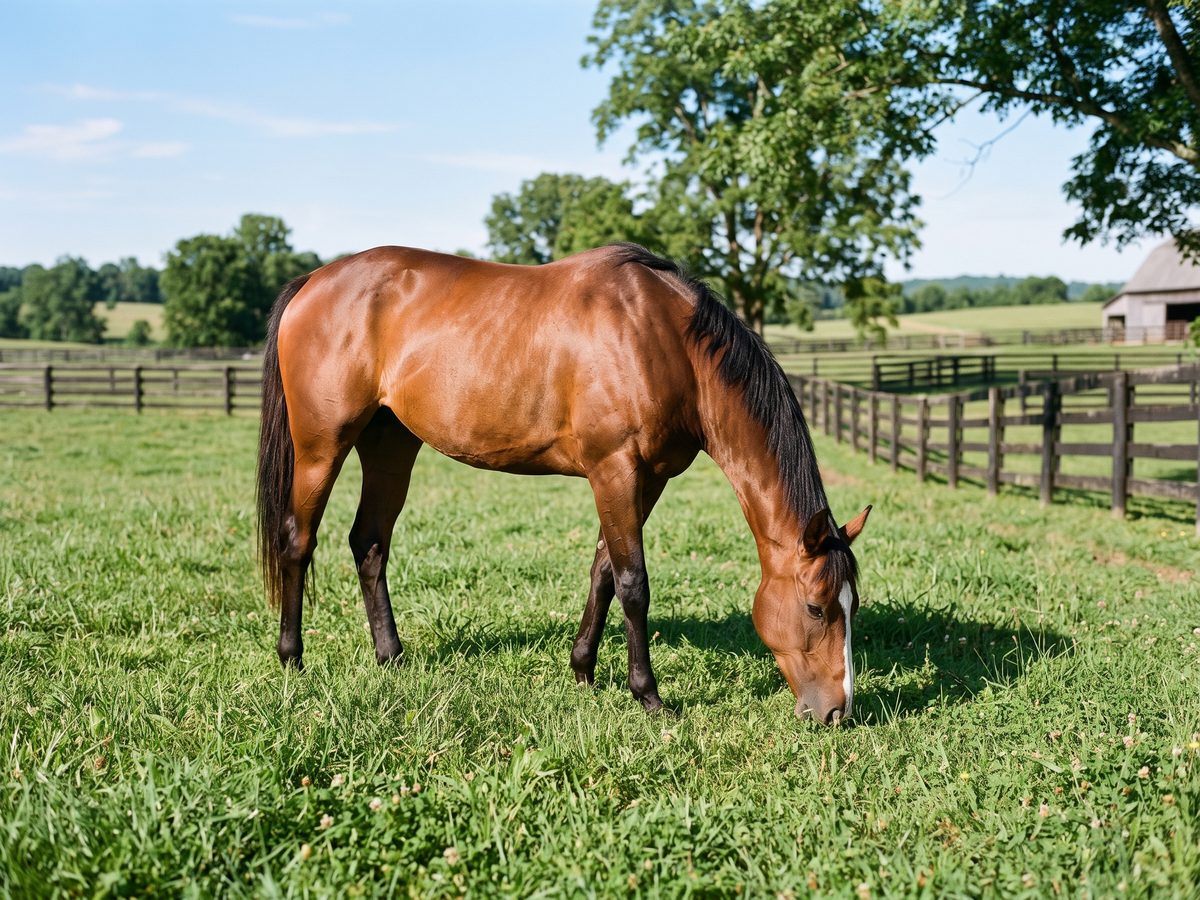
Thoroughbreds suit confident riders who enjoy a sensitive, athletic horse, and many excel in eventing, show jumping and dressage. A settled, experienced Thoroughbred can make a lovely hack.
A horse straight off the track is a different matter: it knows how to race, not how to hack quietly. Retraining takes time, skill and patience, so an ex-racehorse is best for an experienced owner or one with good professional help.
Bred to Race
The Thoroughbred breed traces back to stallions imported into England in the 17th and 18th centuries and has been bred for racing ever since. Each country's racing authority keeps a stud book, and racehorses carry full identification.
When their racing careers end, many Thoroughbreds are retrained. In Britain, Retraining of Racehorses (RoR) is horseracing's official charity for former racehorses, and in the US the Thoroughbred Aftercare Alliance accredits aftercare organizations.
Feeding and Grazing
Thoroughbreds vary: some hold weight easily, while others, especially in hard work, cold weather or old age, need more energy than forage alone provides. Start with plenty of good forage, weighed so you know what is being eaten, and add a balancer or a high-fiber feed only as needed. Ask your vet or an equine nutritionist before making big changes.
Hooves, Teeth, Coat and Weather
Thoroughbreds have a reputation for thinner soles and walls than many hardy breeds, so a good farrier and regular visits matter. Pick out feet daily and ask your farrier about shoes or boots for your horse's work and ground. Book a dental check at least once a year.
Many have fine coats and feel the cold, so a field shelter and a well-fitted blanket (rug) in winter are common. See the blanket weight guide.
Gear for a Thoroughbred
Each button opens a search in your own country's Amazon store. As an Amazon Associate we earn from qualifying purchases.
A well-fitted turnout blanket and a stable blanket help a fine-coated Thoroughbred through winter. Brushing boots and overreach boots protect legs and heels. A slow-feed haynet keeps forage in front of the horse, and a weigh tape helps you watch weight through the year.
Company, Space and Handling
Thoroughbreds need company and daily turnout. An ex-racehorse may never have been turned out in a group, so introduce it gradually and safely; see why horses need company. Many settle best with a calm field friend and a steady routine.
Health: Preventive Care
Book a check-up soon after your horse arrives, and ask your vet about vaccinations and a worming plan guided by fecal egg counts. Plan for the farrier every few weeks and a dental check at least once a year. Score body condition every few weeks, by hand: weight creeps on quietly, especially on spring grass.
Worming, vaccinations and any medicines: see your vet or a pet supply store with trained staff. They can tell you what suits your horse and where you live.
Buying, Loaning or Rescuing
Rehoming charities and accredited aftercare programs can match you with a retrained ex-racehorse and offer support. If you buy privately, have a vet do a pre-purchase examination, check the passport (racehorses are well documented), and get help from an instructor experienced with off-track horses. See buying a horse.
Frequently Asked Questions
Second careers, weight and winter.
Are ex-racehorses good for beginners?
Usually not straight off the track. They need retraining, and an experienced owner or professional help. A fully retrained, settled ex-racer can suit a confident novice.
Why do Thoroughbreds lose weight in winter?
Many have fine coats and higher energy needs. Plenty of forage, shelter, a blanket and feed planned with your vet or a nutritionist help.
How tall is a Thoroughbred?
There is no breed height standard; many stand roughly 15 to 17 hands (152 to 173 cm).
Where can I find a retrained racehorse?
Racing's aftercare charities and accredited aftercare organizations rehome retrained horses, often with ongoing support.
Do Thoroughbreds need shoes?
Many do, but not all. Your farrier can advise based on your horse's feet, work and ground.
Related Reading
- Irish Draught: a calmer, heavier partner breed.
- Arabian horse: the other hot-blooded classic.
- Blanket weight guide: keeping a fine-coated horse warm.
Breed traits are tendencies, not promises for the horse in front of you. If anything about your horse's health or behavior worries you, call your vet.