Caring for an Older Horse: Check-Ups, Comfort and Retirement
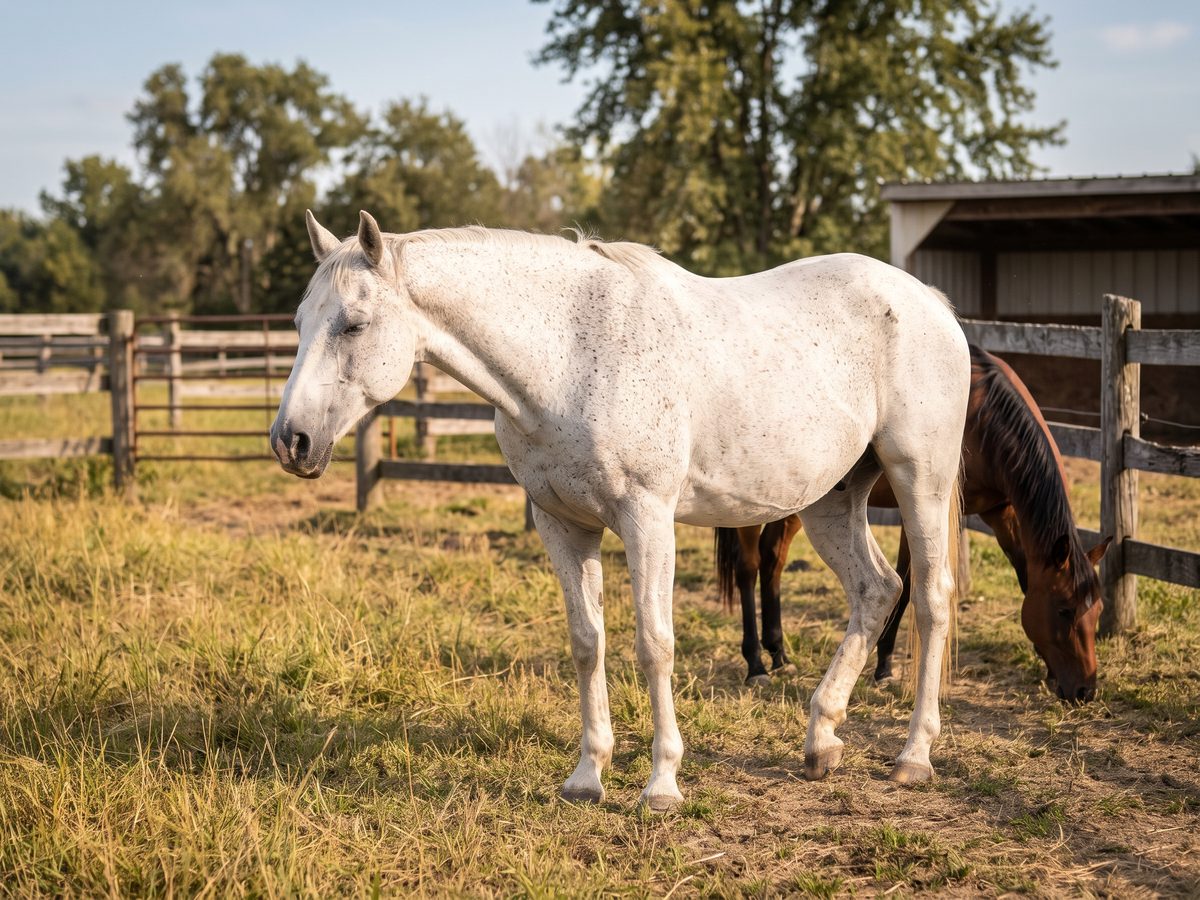
More Frequent Check-Ups
There is no fixed age when a horse becomes "old". As your horse moves through its teens, ask your vet about a regular senior check, often yearly or every six months. It is a chance to look at teeth, weight, eyes, heart, feet and mobility, and to talk about vaccinations and a worming plan.
Teeth often need attention more often too: the University of Liverpool's equine hospital suggests dental checks may be needed every six months from around 12 years old. See horse teeth and dental care.
Medicines, supplements sold as treatments, worming and vaccinations for older horses: see your vet or a pet supply store with trained staff. Your vet can tailor care to your horse.
Feeding and Weight
Some older horses keep their weight easily; others drop condition, especially in winter. Feel for weight every couple of weeks (a winter coat hides a lot) and use a weigh tape. If chewing gets harder, soaked feeds can replace some or all of the hay: our senior horse feeding guide explains how.
Feed older horses where they can eat in peace, away from pushy field mates, and keep water unfrozen and fresh in winter.
Exercise and Movement
Regular, gentle exercise and as much turnout as possible help older horses stay supple. Many enjoy light hacking, walking out in hand or easy schooling for years. Warm up and cool down slowly, keep to good ground, and let your horse tell you what it is comfortable with. If your horse seems stiff or reluctant, ask your vet before changing its routine.
Warmth and Shelter
Older horses can find it harder to keep warm, especially if they are thin. A field shelter, plenty of hay to munch and, where needed, a well-fitted blanket (rug) help. Check underneath daily for rubs and weight changes. See the blanket weight guide.
Comfort Kit for an Older Horse
Each button opens a search in your own country's Amazon store. As an Amazon Associate we earn from qualifying purchases.
A senior feed and soaking buckets cover worn teeth, and a wide tub suits sloppy meals. A well-fitted turnout blanket helps a horse that feels the cold, and a fleece cooler dries it after a wash. A weigh tape keeps an eye on condition, and rubber mats give a softer, warmer floor in the stable.
Retirement Options
- Semi-retirement: light hacking or lessons for a confident rider, at the horse's pace.
- Companion: many retired horses make calm field friends for younger horses.
- Retirement livery: yards that specialize in older horses, with grazing, shelter and daily checks. Visit before you book, and ask how they handle feeding and vet care.
- Rehoming charities: some take horses into retirement or find them companion homes, often with ongoing support.
Whatever you choose, a retired horse still needs daily checks, the farrier, the dentist, the vet and company.
Frequently Asked Questions
Gray hairs, good grub and a gentle pace.
At what age is a horse considered old?
There is no single age. Senior care often starts to come up in the mid to late teens, but plenty of horses and ponies stay active well into their twenties.
Can an older horse still be ridden?
Often, yes. Light, regular work suits many older horses. Let your vet check your horse and go at its pace.
How often should an older horse see the vet?
Ask your vet; a check once or twice a year is common for older horses. Teeth may need checking every six months too.
Should an older horse wear a blanket?
Some need one in cold, wet weather, especially if thin or clipped; many with good coats and shelter don't. Check under any blanket daily.
What is retirement livery?
A yard that specializes in caring for older or retired horses, usually with grazing, shelter and daily checks. Visit first and ask what is included.
Related Reading
- Senior horse feeding: menus for worn teeth.
- Body condition scoring: keeping track of weight.
- Why horses need company: older horses too.
If your older horse loses weight, struggles to eat, seems stiff or just isn't itself, call your vet.