Welsh Ponies and Cobs: Sections A to D Explained
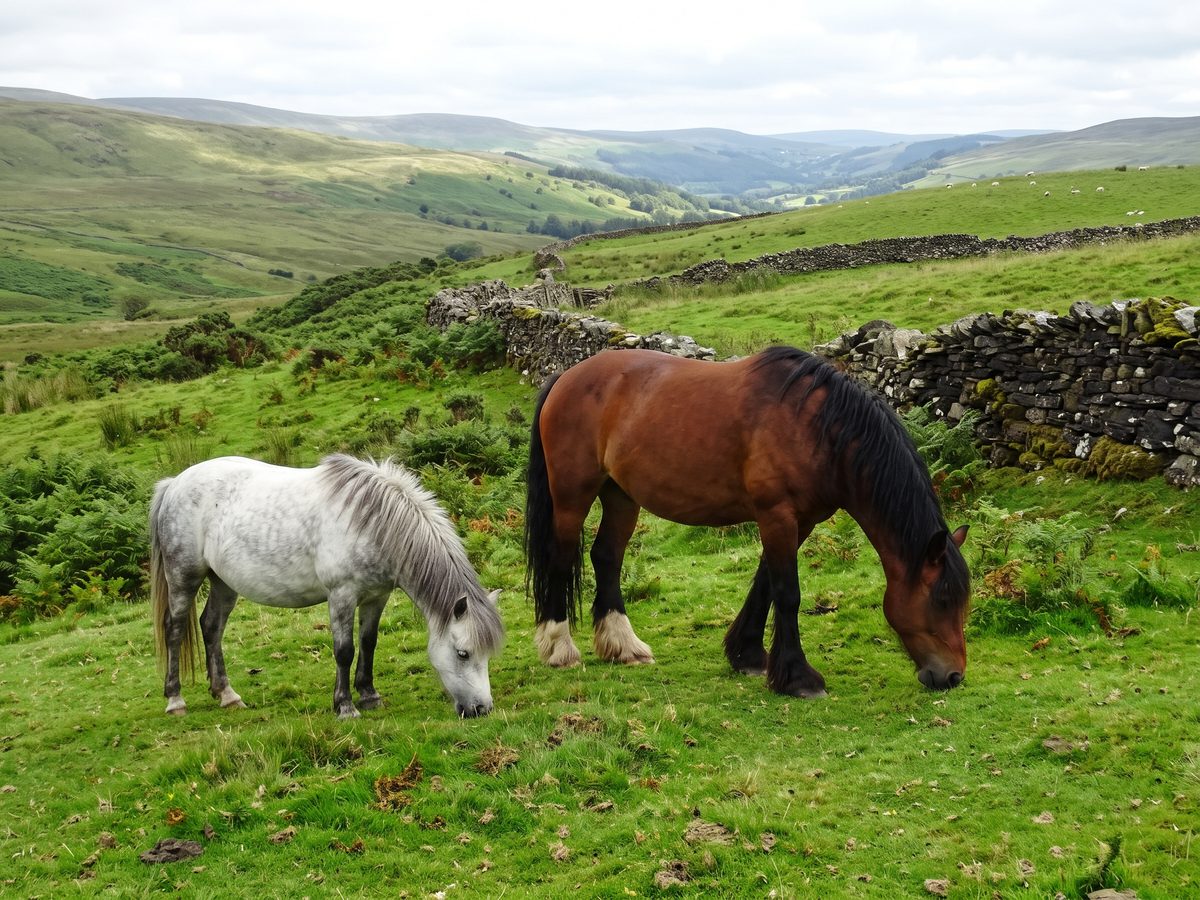
Which Section Suits You?
- Section A suits young children on the lead rein and as first ridden ponies, and is popular for driving.
- Section B is the riding pony type, a favorite for children who have outgrown a first pony and for showing and Pony Club.
- Section C is the same height as a B but stockier, with more bone: a strong all-rounder for older children and small adults, and a good driving pony.
- Section D, the Welsh Cob, carries adults and is known for its powerful trot, in harness and under saddle.
All four are bright and quick to learn, which is a joy with a good handler and a challenge with an inexperienced one. Match the pony's experience to the rider's.
From the Welsh Hills
Welsh Mountain Ponies have lived in the hills of Wales for centuries, and the larger sections developed from them for farm work, riding and driving. The Welsh Pony and Cob Society, founded in 1901, keeps the stud book and sets the standard for each section. Section A is described by the society as "hardy, spirited and pony-like".
Welsh ponies are popular worldwide, and national societies keep their own books. In the US, the Welsh Pony and Cob Society of America's height limits for Sections A and B are taller than the UK's, so check the rules of your own country's society.
Feeding and Grazing
Like most native ponies, Welsh ponies and cobs evolved on poor, rough grazing and are very good at turning a little food into a lot of pony. On rich lowland grass that talent becomes a problem: they put on weight fast, and extra weight raises the risk of laminitis. Ask your vet whether your pony's grazing should be limited, especially in spring and early summer.
Base the diet on forage: grass in moderation and weighed hay, often in a small-hole haynet. Most need little or no bucket feed, just a ration balancer or mineral lick for vitamins and minerals, plus salt and fresh water. Read feeding horses forage first and body condition scoring.
Section D cobs in hard work may need more energy than forage alone provides; ask your vet or a nutritionist before adding feed.
Hooves, Teeth, Coat and Weather
Welsh ponies are known for hard, sound feet, but every pony needs regular trimming or shoeing every few weeks and a daily pick-out. Book a dental check at least once a year.
Most grow a good winter coat and, with shelter, many live out without a blanket (rug). Cobs often have silky feather on the lower legs: keep it clean and dry, and check the skin underneath when you groom.
Gear for a Welsh Pony or Cob
Each button opens a search in your own country's Amazon store. As an Amazon Associate we earn from qualifying purchases.
Sizes vary a lot across the four sections, so measure before you buy a headcollar or blanket. A small-hole haynet and a weigh tape help keep a good-doer trim, and a grazing muzzle can help on rich grass if your vet recommends one. A feather brush or soft dandy brush keeps a cob's legs clean.
Company, Space and Handling
Welsh ponies need equine company and daily turnout. They are clever, so give them interesting work and safe fencing that won't tempt a curious pony to test it.
Grazing that suits a big horse can be far too rich for a Section A or B, so you may need to divide the field or use a track system. See grazing and pasture management.
Health: Preventive Care
Book a check-up soon after your pony arrives, and ask your vet about vaccinations and a worming plan guided by fecal egg counts. Plan for the farrier every few weeks and a dental check at least once a year. Score body condition every few weeks, by hand: weight creeps on quietly, especially on spring grass.
Worming, vaccinations and any medicines: see your vet or a pet supply store with trained staff. They can tell you what suits your pony and where you live.
Buying, Loaning or Rescuing
Breed shows, Welsh society members and reputable breeders are good places to start, and rehoming charities often have Welsh ponies and cobs. Have a vet do a pre-purchase examination, check the passport and section on the papers, and ask how the pony behaves with children, in traffic and for the farrier. See buying a horse.
Frequently Asked Questions
Which section, how big, and who can ride one.
What is the difference between Welsh Sections A, B, C and D?
They are size and type groups within one breed. A is the small Welsh Mountain Pony, B the taller riding pony, C a pony of cob type at the same height as B, and D the Welsh Cob, over 13.2 hands (137 cm).
Can an adult ride a Welsh pony?
A Section D cob carries adults well, and a sturdy Section C can carry a small adult. Sections A and B are children's ponies for riding.
Are Welsh ponies good for beginners?
An experienced, well-schooled Welsh pony can be a superb first pony. They are bright and spirited, so a young or green pony is better for an experienced rider.
How tall is a Welsh Section A?
In the UK, up to 12 hands (48 inches, 122 cm). The US society allows a little taller.
Do Welsh ponies get fat easily?
Many do on rich grass. Weigh hay, limit grazing if your vet advises, and score body condition every few weeks.
Related Reading
- Shetland pony: the smallest native breed.
- Connemara pony: another athletic pony that carries adults.
- Feeding horses forage first: how much hay a pony needs.
Breed traits are tendencies, not promises for the pony in front of you. If anything about your pony's health or behavior worries you, call your vet.