Exmoor Pony: Size, Character and Care
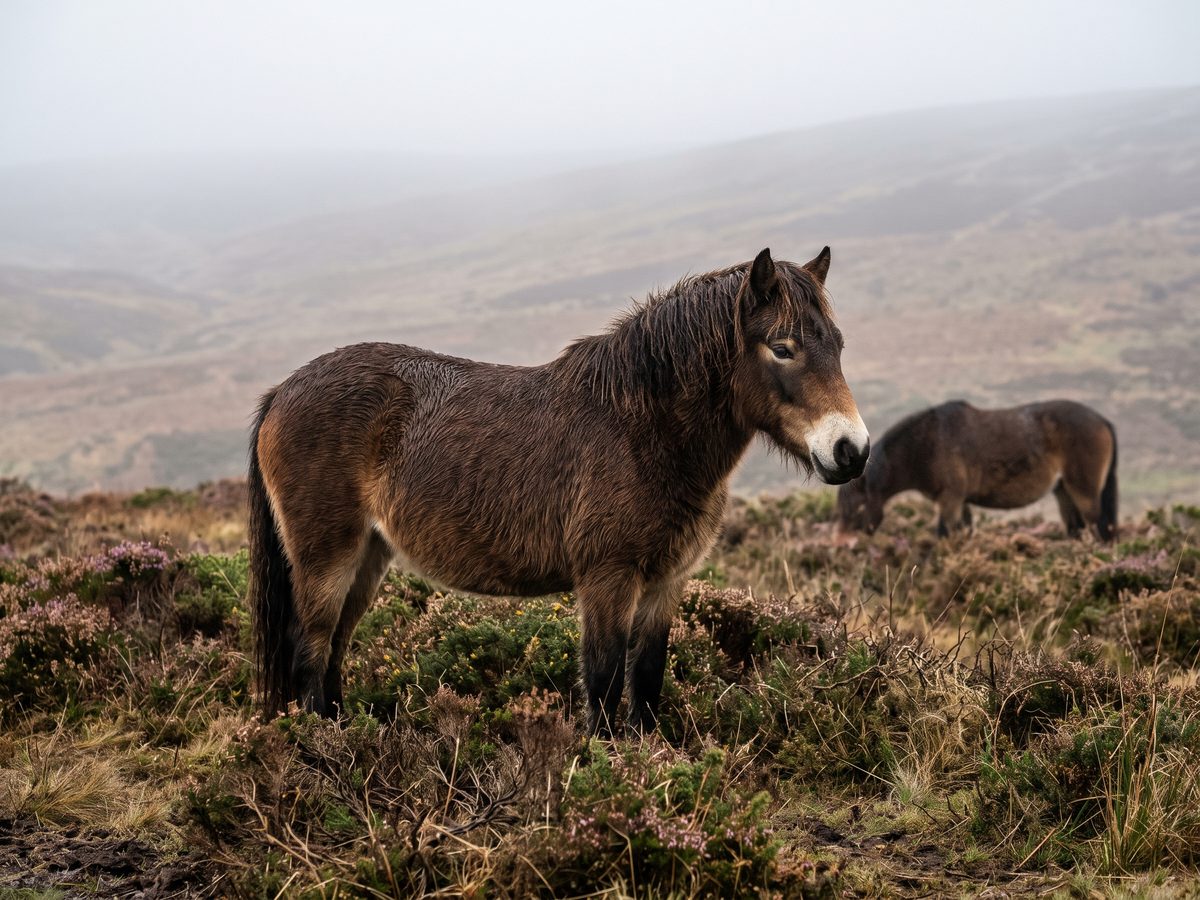
Who an Exmoor Suits
Exmoors suit experienced owners who enjoy a thinking pony: they are intelligent and independent, and can be wary of people until they trust them. Well-handled Exmoors make good riding ponies for children and small adults, and good driving ponies.
They are a harder fit for complete beginners or for an unhandled youngster bought as a first pony. If you love the breed, start with an older, well-schooled pony and an instructor who knows natives.
An Ancient Moorland Breed
Exmoor ponies have roamed the moors of Somerset and Devon for a very long time, and herds still live on Exmoor today. Their thick coat, hooded eyes and mealy (oatmeal-colored) muzzle are adaptations to wet, windy upland weather.
Exmoors are a rare breed, and many conservation charities use them as grazers on heaths and grasslands, where their eating habits help other wildlife. Semi-wild ponies on Exmoor need a passport in England only if they are enclosed on private land or treated by a vet.
Feeding and Grazing
Like most native ponies, Exmoors evolved on poor, rough grazing and are very good at turning a little food into a lot of pony. On rich lowland grass that talent becomes a problem: they put on weight fast, and extra weight raises the risk of laminitis. Ask your vet whether your pony's grazing should be limited, especially in spring and early summer.
Base the diet on forage: grass in moderation and weighed hay, often in a small-hole haynet. Most need little or no bucket feed, just a ration balancer or mineral lick for vitamins and minerals, plus salt and fresh water. Read feeding horses forage first and body condition scoring.
Hooves, Teeth, Coat and Weather
Exmoors are known for hard feet; pick them out daily and book the farrier every few weeks. Dental checks at least once a year are a must.
Their winter coat is famously weatherproof, with a thick undercoat and a greasy outer layer that sheds rain. Most healthy Exmoors with shelter don't need a blanket (rug), and over-grooming in winter can strip away some of that waterproofing. Check by hand for weight changes.
Gear for an Exmoor Pony
Each button opens a search in your own country's Amazon store. As an Amazon Associate we earn from qualifying purchases.
A well-fitted pony headcollar and lead come first. A small-hole haynet and weigh tape help keep weight in check, and a grazing muzzle can help on lush grass if your vet suggests one. A treat pouch and a good groundwork book help build trust with a wary pony.
Company, Space and Handling
Exmoors are herd animals with strong social bonds and need equine company. They do well with lots of turnout, ideally on rough, varied grazing rather than rich pasture. Safe, solid fencing matters: an independent pony may test it. See grazing and pasture management.
Health: Preventive Care
Book a check-up soon after your pony arrives, and ask your vet about vaccinations and a worming plan guided by fecal egg counts. Plan for the farrier every few weeks and a dental check at least once a year. Score body condition every few weeks, by hand: weight creeps on quietly, especially on spring grass.
Worming, vaccinations and any medicines: see your vet or a pet supply store with trained staff. They can tell you what suits your pony and where you live.
Buying, Loaning or Rescuing
The Exmoor Pony Society and breed-focused charities can point you to breeders and rehoming schemes, some of which help moor-bred youngsters learn to trust people before they go to homes. Have a vet do a pre-purchase examination and check the passport. See buying a horse.
Frequently Asked Questions
Mealy muzzles, moorland herds and handling.
How tall is an Exmoor pony?
The Exmoor Pony Society's preferred heights at maturity are 11.3 to 12.3 hands (119 to 130 cm) for stallions and geldings and 11.2 to 12.2 hands (117 to 127 cm) for mares.
Are Exmoor ponies good for beginners?
Usually not as a first pony unless the pony is older and very well schooled. Exmoors are intelligent and independent and do best with experienced handling.
Can adults ride Exmoors?
A strong, well-schooled Exmoor can carry a small adult. They are also popular driving ponies.
Why are Exmoors used for conservation grazing?
They are hardy, live well on rough vegetation and graze in a way that helps keep heaths and grasslands open for other wildlife.
Do Exmoors need a blanket?
Most healthy Exmoors with shelter don't, because their winter coat is very weatherproof. Ask your vet about older or thin ponies.
Related Reading
- Dartmoor pony: the neighboring moorland breed.
- Why horses need company: herd life and introductions.
- Body condition scoring: checking weight under a thick coat.
Breed traits are tendencies, not promises for the pony in front of you. If anything about your pony's health or behavior worries you, call your vet.