The Cat Care Kit: Grooming, Dental, Recovery and Comfort
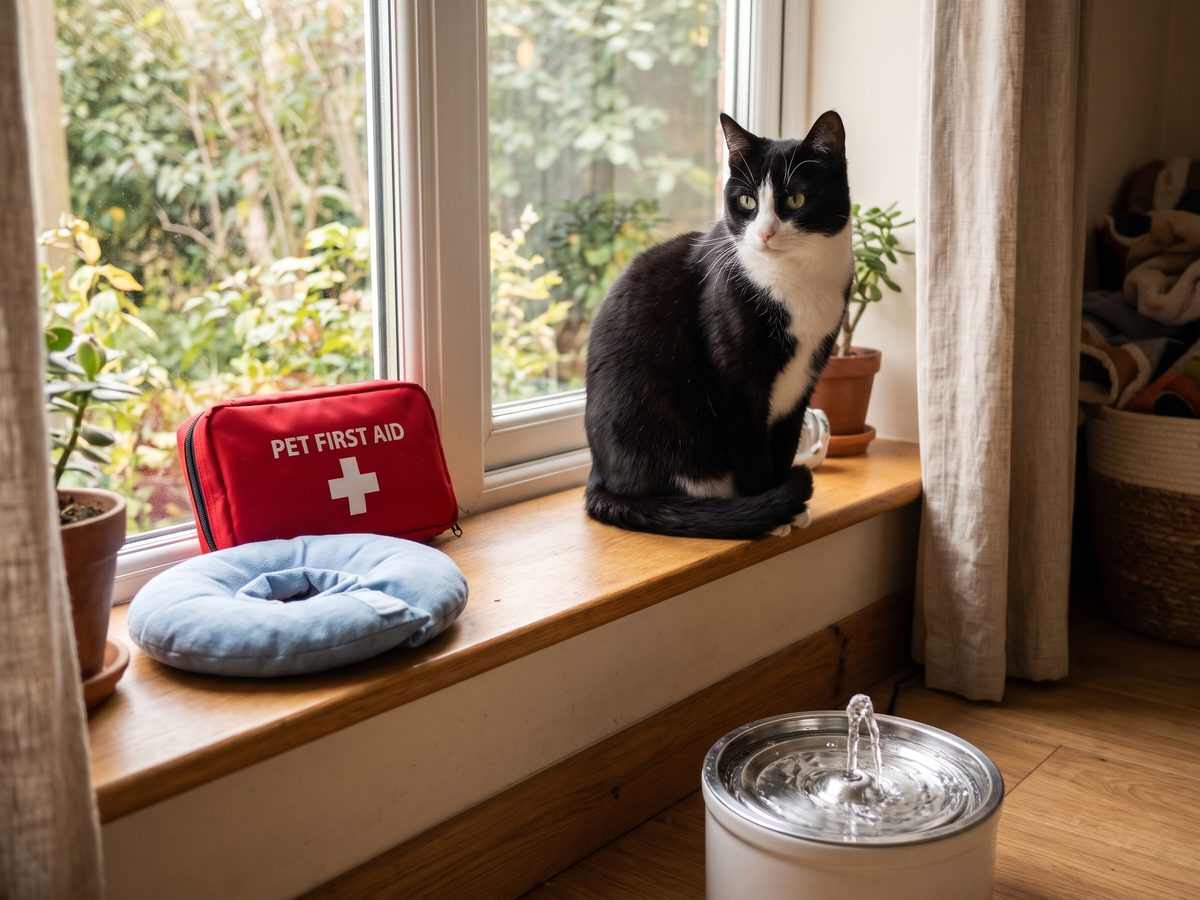
This page used to be a shelf of hairball gels, joint chews and flea products. We've changed it. Everything below is gear that helps you look after a healthy cat between check-ups, grouped by the job it does.
Medicines, worming, flea and tick treatments and supplements: see your vet or a pet supply store with trained staff. They can tell you what suits your cat, its weight and where you live.
Each button opens a search in your own country's Amazon store. As an Amazon Associate we earn from qualifying purchases.
Hairballs: Brush Before They Swallow It
Cats groom with a rough tongue and swallow the loose fur. The simplest way to cut hairballs is to remove that fur first. A fine-toothed metal comb finds tangles, a rubber curry brush suits short coats, and a deshedding tool helps double-coated and long-haired cats through spring and fall. A cat that vomits often, or retches without bringing anything up, needs a vet, not a new brush.
Water and Urinary Health
Many cats drink little, and more water is good for the bladder and kidneys. Wet food adds moisture with every meal, and many cats drink more from moving water or a wide, shallow bowl that doesn't brush their whiskers. Put water away from the food bowl and the litter box.
A cat straining in the litter box and passing little or nothing is an emergency, especially a male cat. Call a vet straight away. No product helps with that.
Teeth: Brushing Gear
Daily brushing is the gold standard for a cat's teeth, and most cats can learn to accept it if you go slowly with treats and short sessions. Use a toothpaste made for cats, never human toothpaste. A finger brush is a gentle start. Bad breath that doesn't go away, red gums or dropping food are reasons to book a vet check.
Fleas and Ticks: The Checking Kit
Even indoor cats can pick up fleas from other pets or visitors. A flea comb run through the coat over a white towel shows whether you have a problem, and a tick removal tool takes a tick off cleanly if your cat goes outdoors. Wash bedding hot and vacuum often. Which treatment to use, and how often, is a question for your vet or trained staff: some products made for dogs are dangerous to cats.
Calm: Hiding Places and Familiar Smells
A worried cat wants somewhere to hide and somewhere high to watch from. A covered bed, a cardboard hideaway or a shelf does a lot. Some owners also use a plug-in pheromone diffuser during a move or a new arrival; results vary from cat to cat. Leave the carrier out as furniture so it isn't a scary box that only means the vet. Sudden aggression, hiding for days or other changes in behavior are reasons to see your vet.
Older Cats: Steps, Low Boxes and a Scale
Older cats often stop jumping as high as they used to. Pet steps or a ramp to a favorite sofa, a litter box with a low entry, and a warm, padded bed keep life easy. A digital pet scale lets you spot slow weight changes between vet visits, which is one of the most useful things you can track at home. Stiffness, skipped jumps or weight loss are reasons for a check-up; see our senior cat checklist.
Recovery After Surgery or Injury
After neutering or other surgery, your vet may send your cat home in a cone so it can't lick the wound. Some cats cope better with a soft cone or a fabric recovery suit; ask your vet which is suitable before you swap. A spare carrier with a washable liner is useful for check-up trips.
Frequently Asked Questions
The short answers, in plain words.
My cat is straining in the litter box and little or nothing comes out. What now?
Treat it as an emergency and call a vet or an emergency clinic straight away, especially for a male cat. A blocked bladder can become life-threatening within hours, and no product on this page can help with it.
Why are there no supplements or flea products on this page?
We don't link to medicines, parasite treatments or supplements sold as treatments. What suits a cat depends on its age, weight, health and where you live, so ask your vet or a pet supply store with trained staff.
Does brushing really cut down on hairballs?
Brushing removes loose fur before your cat swallows it while self-grooming, so there is less hair to bring back up. It matters most for long-haired cats and during spring and fall sheds. A cat that vomits often, hairball or not, should see a vet.
Do pheromone diffusers work?
Some cats seem calmer with one during a move or a new arrival, and some show no change. Treat a diffuser as one part of a calm setup with hiding places and routine. A sudden change in behavior is a reason to see a vet first.
Related Reading
- Cat grooming: brushes and combs by coat type.
- Urinary health and hydration: getting more water into your cat.
- Senior cat checklist: what changes after about ten.
- Pheromone diffusers: what they can and can't do.
Nothing on this page diagnoses or treats anything. If your cat is unwell, in pain, struggling to breathe or straining in the litter box, call your vet or an emergency clinic now.