Hoof Care and the Farrier: Daily Checks, Shoes and Trims
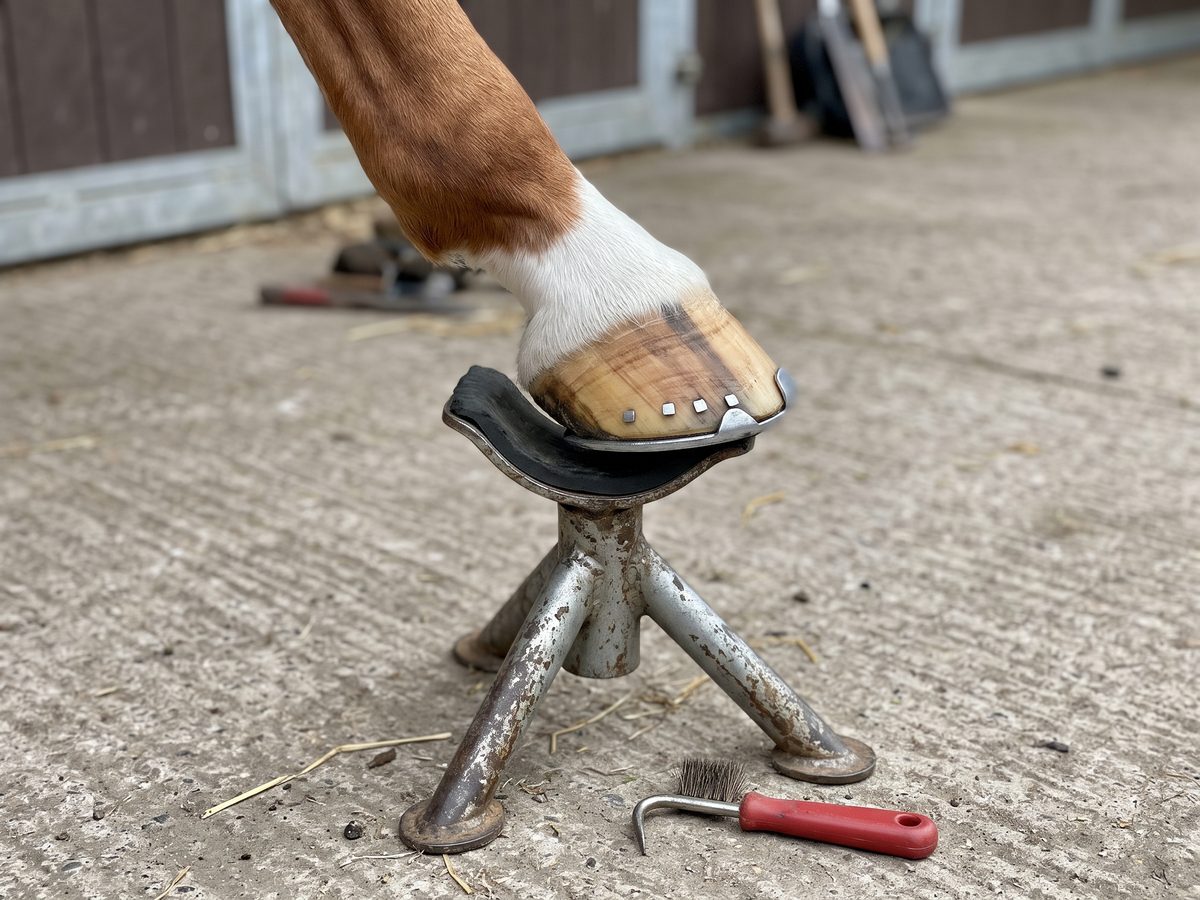
The Daily Hoof Check
- Pick out each foot, working from heel to toe so the pick never points toward the soft frog.
- Look: stones, nails or anything stuck in the sole; cracks in the wall; a shoe that has moved or has raised nails (clenches).
- Smell: a strong, unpleasant smell from the grooves beside the frog is worth mentioning to your farrier.
- Feel: run a hand over the hoof wall and pastern. Learn what normal warmth feels like on your horse, so you notice a change.
If your horse is lame, a foot is hot, or something is stuck in it, call your vet. Don't pull out a nail or sharp object that has gone deep into the sole unless your vet tells you to, because they may want to see where it went.
How Often Does the Farrier Come?
Hooves grow all the time, so they need regular trimming, shod or not. Most horses need a visit every 4 to 8 weeks, and shod horses often every 4 to 6 weeks, even if the shoes aren't worn out. RSPCA Australia suggests trimming barefoot horses about every 3 to 4 weeks, and no more than 6. Growth changes with the season, diet and work, so your farrier will set the interval for your horse.
Book the next visit before the farrier leaves, and keep a note of the dates.
Shod or Barefoot?
Many horses and ponies live and work barefoot, especially on soft ground and with lighter work. Shoes protect feet from wear on hard or stony ground and can help some horses' comfort and grip. Neither is right for every horse. Talk to your farrier, and your vet if your horse has had foot problems.
Hoof boots are a halfway house: strap-on protection for riding a barefoot horse over rough ground, or for getting a horse that has lost a shoe to the stable.
Lost or Loose Shoes
- Don't ride a horse that has lost a shoe or has one loose, twisted or with nails sticking out.
- Call your farrier and keep the horse on soft ground, or fit a hoof boot, until they come.
- Look for the lost shoe in the field: nails left in grass are a hazard.
- If a shoe has twisted so a nail could press into the foot, call your farrier or vet urgently.
Everyday Hoof Kit
Each button opens a search in your own country's Amazon store. As an Amazon Associate we earn from qualifying purchases.
A hoof pick with a brush is the daily tool, and spares never go amiss. Hoof boots cover barefoot riding and lost shoes. A hoof stand steadies the foot and saves backs. Overreach (bell) boots protect heels and help stop a horse pulling off front shoes, and a rubber mat in the grooming area gives a clean, safe place to work.
Ground, Diet and Healthy Feet
Hooves do best on a mix of ground that is neither soaking wet nor rock hard. A dry standing area and clean bedding help in wet winters. Diet matters too: weight gain on rich grass raises the risk of laminitis, so ask your vet about grazing if your horse is a good-doer. See grazing and pasture management.
Hoof dressings, foot treatments and any medicines: see your vet or a pet supply store with trained staff. Your farrier can advise on day-to-day hoof care.
Frequently Asked Questions
Shoes, trims and that familiar ping of a lost shoe.
How often does a horse need the farrier?
Most horses need a visit every 4 to 8 weeks, and shod horses often every 4 to 6, even if the shoes look fine. Your farrier will set the interval for your horse.
Do all horses need shoes?
No. Many horses and ponies stay sound barefoot, especially on softer ground and in lighter work. Your farrier can help you decide.
Can I trim my own horse's feet?
In Great Britain the law covers shoeing, not trimming a foot that won't be shod. Even so, trimming is a skilled job and poor trimming can lame a horse, so most owners leave it to a professional.
My horse has lost a shoe. Can I still ride?
It is best not to. Call your farrier, keep the horse on soft ground or fit a hoof boot, and find the shoe so the nails don't end up in the field.
Should I pick out feet every day?
Yes, and before and after riding. It is the best way to spot stones, loose shoes and changes early.
Related Reading
- Horse health and hoof care: the full preventive routine.
- Horse teeth and dental care: the other regular appointment.
- Stabling, turnout and field shelters: dry standing for healthy feet.
Lameness, heat in a foot or anything stuck in the sole is a job for your vet. Call promptly.