Haflinger: Size, Temperament and Care
Who a Haflinger Suits
Haflingers suit families and adults who want a friendly, strong all-rounder for hacking, driving, trekking and riding club. Their size and temperament make many suitable for both children and adults, and they are popular in riding for the disabled.
They can be bold and opinionated if allowed, so consistent, kind handling still matters.
From the Alps
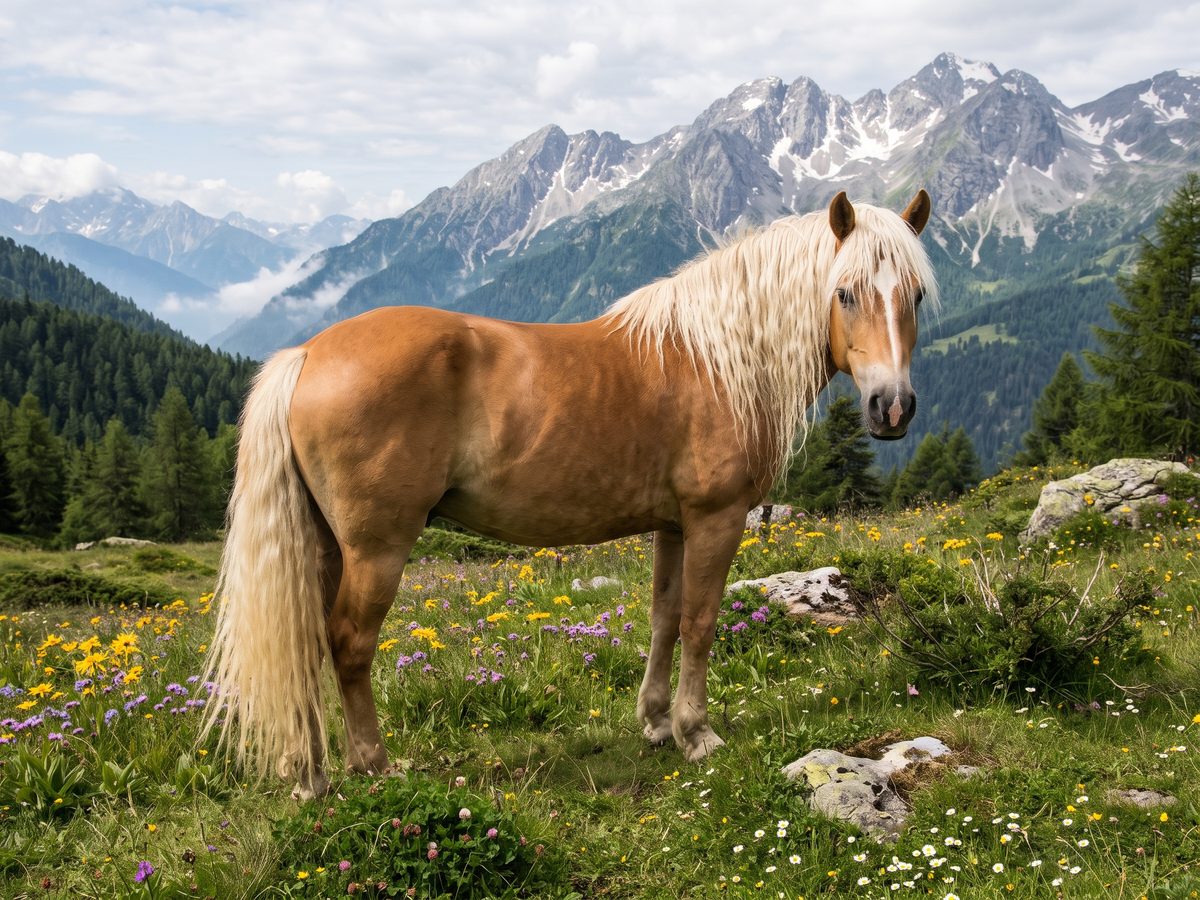
The breed takes its name from the village of Hafling in South Tyrol, now in northern Italy, and was bred as a sure-footed pack and farm horse in the mountains. The World Haflinger Breeding and Sport Federation links national societies, and the breed has grown taller since the mid-20th century.
Feeding and Grazing
Haflingers are often good-doers that keep weight easily on forage alone. On rich grass, extra weight raises the risk of laminitis, so ask your vet whether grazing should be limited, especially in spring. Base the diet on weighed hay and sensible grazing, with a balancer or mineral lick for vitamins and minerals.
Hooves, Teeth, Coat and Weather
Pick out feet daily and book the farrier every few weeks, and a dental check at least once a year. See hoof care and the farrier and teeth and dental care.
Most Haflingers grow a good winter coat and, with shelter, many live out without a blanket (rug). A long flaxen mane and tail stay tidier with a detangling spray.
Gear for a Haflinger
Each button opens a search in your own country's Amazon store. As an Amazon Associate we earn from qualifying purchases.
Haflingers are often cob-sized, so measure for headcollars, bridles and blankets. A small-hole haynet and weigh tape help keep weight in check, and a grazing muzzle can help on lush grass if your vet suggests one. A detangling spray and wide-toothed brush keep that famous mane in order.
Company, Space and Handling
Haflingers need company and daily turnout, on grazing that won't overfeed them. A track system suits many. See grazing and pasture management.
Health: Preventive Care
Book a check-up soon after your horse arrives, and ask your vet about vaccinations and a worming plan guided by fecal egg counts. Plan for the farrier every few weeks and a dental check at least once a year. Score body condition every few weeks, by hand: weight creeps on quietly, especially on spring grass.
Worming, vaccinations and any medicines: see your vet or a pet supply store with trained staff. They can tell you what suits your horse and where you live.
Buying, Loaning or Rescuing
National Haflinger societies, breeders and rehoming charities are good starting points. Have a vet do a pre-purchase examination and check the passport. See buying a horse.
Frequently Asked Questions
Golden coats, size and grass.
Are Haflingers horses or ponies?
They are often pony height but are registered and described as horses by their breed societies, and they carry adults well.
What color are Haflingers?
Always chestnut, from light gold to dark, with a flaxen or white mane and tail.
Are Haflingers good for beginners?
Many are friendly and calm, which suits novices, but choose an experienced, well-schooled horse and get good instruction.
Do Haflingers get fat easily?
Many do. Weigh hay, limit rich grass if your vet advises, and score body condition every few weeks.
How tall is a Haflinger?
Most stand about 13.2 to 15 hands (137 to 152 cm).
Related Reading
- Norwegian Fjord: another sturdy mountain breed.
- Cobs and Gypsy cobs: strong, sensible riding horses.
- Body condition scoring: keeping a good-doer trim.
Breed traits are tendencies, not promises for the horse in front of you. If anything about your horse's health or behavior worries you, call your vet.