Horse Body Condition Scoring: Fat, Thin or Just Right?
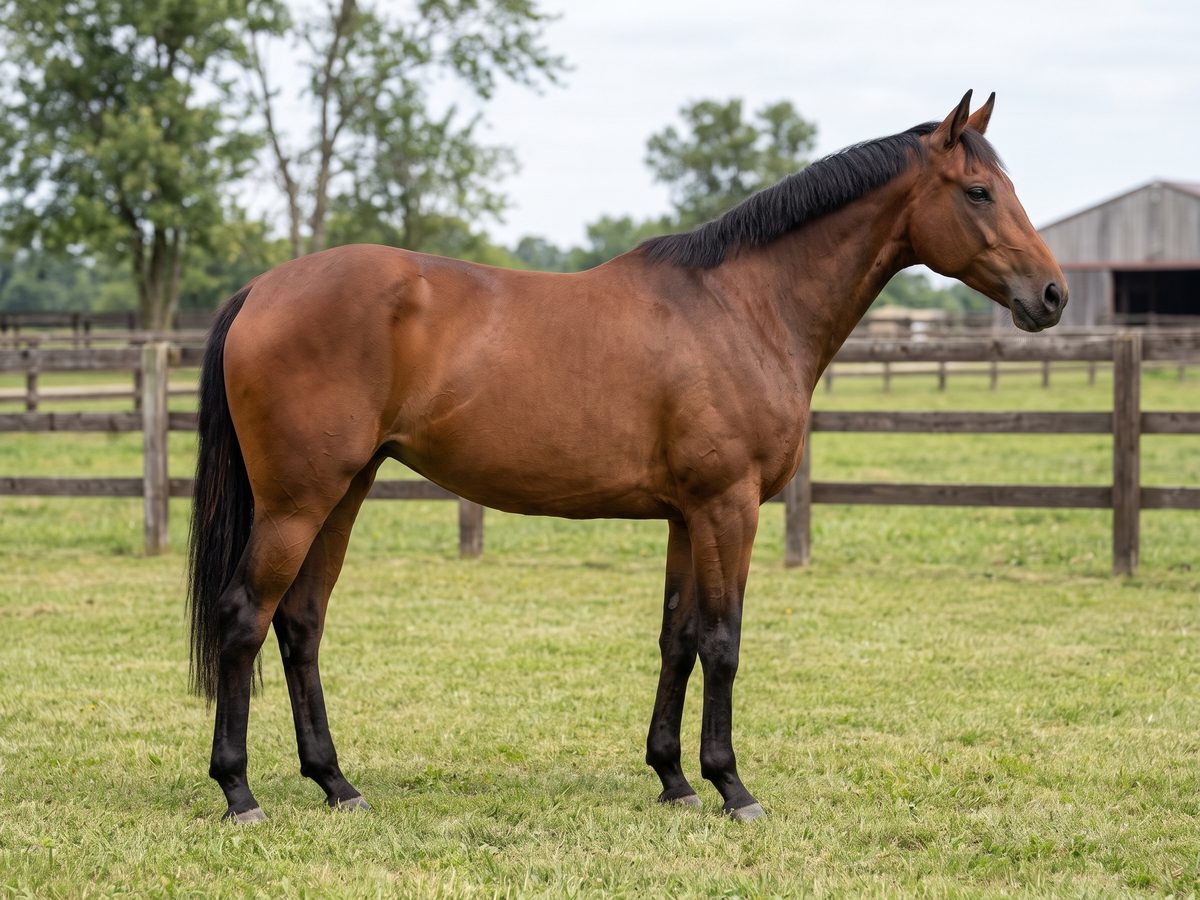
Why Score Your Horse?
It is easy to miss slow changes in a horse you see every day, and winter coats and blankets hide a lot. Scoring gives you a number to track, so you can adjust feed and exercise before a small gain or loss becomes a big one.
Being overweight raises the risk of laminitis and other problems in horses and ponies, and being too thin leaves a horse short of reserves for winter or work. Your vet can help you set a target for your horse.
Where to Feel
Run a flat hand firmly over each area, on both sides:
- Neck: a hard, thick crest along the top of the neck is a sign of extra fat.
- Withers and behind the shoulder: fat fills in around these as a horse gains.
- Ribs: in ideal condition you can feel them easily with light pressure but can't clearly see them.
- Back and loins: a crease or gutter along the spine suggests extra fat; a ridge of spine suggests too little.
- Tailhead and hindquarters: soft, spongy fat around the tail shows a gain; prominent hip bones show a loss.
Heavy breeds and some native ponies naturally have thicker necks, and fit athletes may score lower, so ask your vet to score your horse with you the first time.
The Two Common Scales
Henneke 1 to 9. Developed in the US and widely used there and elsewhere. Each area is scored and the scores averaged. A 1 is emaciated and a 9 extremely fat; most horses are at their best around 5, with ribs easy to feel and the back level.
0 to 5. Widely used in the UK and reproduced in the Scottish Government's welfare code for equines. A 0 is very thin and a 5 obese; about 3 is ideal for most horses. The code suggests scoring the pelvis first and adjusting by the back and neck.
Pick one scale and stick with it, so your records make sense over time.
Adding a Weigh Tape
A weigh tape goes around the girth, just behind the withers and elbows, and gives an estimate of weight. It isn't exact, but used the same way each time it shows the trend. Measure at the same time of day, on level ground, and write it down with the condition score.
Tools for Tracking Condition
Each button opens a search in your own country's Amazon store. As an Amazon Associate we earn from qualifying purchases.
A weigh tape sized for horses or ponies is the main tool. A record book keeps scores and readings together, and a small-hole haynet and hanging scale let you act on what you find by weighing and slowing down the hay. A grazing muzzle helps a good-doer on grass if your vet recommends one.
Acting on the Score
- Gaining: weigh the hay, cut out unnecessary bucket feeds and treats, limit rich grass and add exercise if your horse is fit to work. Make changes gradually, and ask your vet before cutting forage hard.
- Losing: check teeth, worm testing and how much hay is actually eaten, and talk to your vet before increasing feed.
- No change but a change in shape, such as a crest appearing, is still worth mentioning to your vet.
Worming, supplements and anything sold as a treatment: see your vet or a pet supply store with trained staff. Weight changes are worth a vet visit before you buy anything.
Frequently Asked Questions
Hands on: the scoring questions people ask.
What is an ideal body condition score for a horse?
About 5 on the 1 to 9 Henneke scale, or about 3 on the 0 to 5 scale used in the UK. Your vet may suggest a slightly different target for your horse's breed and work.
How often should I condition score?
Every few weeks, and more often when grass is growing fast or in late winter. Write the score down with a weigh-tape reading.
Can I tell my horse's condition by looking?
Not reliably. Coats, blankets and muscle can fool the eye, so always feel with your hands as well.
Are weigh tapes accurate?
They give an estimate, not an exact weight, but used the same way each time they show whether weight is going up or down.
Do donkeys use the same scale?
No. Donkeys store fat differently from horses and have their own scoring system. Ask your vet or a donkey charity.
Related Reading
- Feeding horses forage first: getting the hay ration right.
- Grazing and pasture management: limiting rich grass.
- Senior horse feeding: keeping weight on older horses.
If your horse's weight or shape changes without an obvious reason, ask your vet to take a look.