Horse Health and Hoof Care: The Preventive Routine
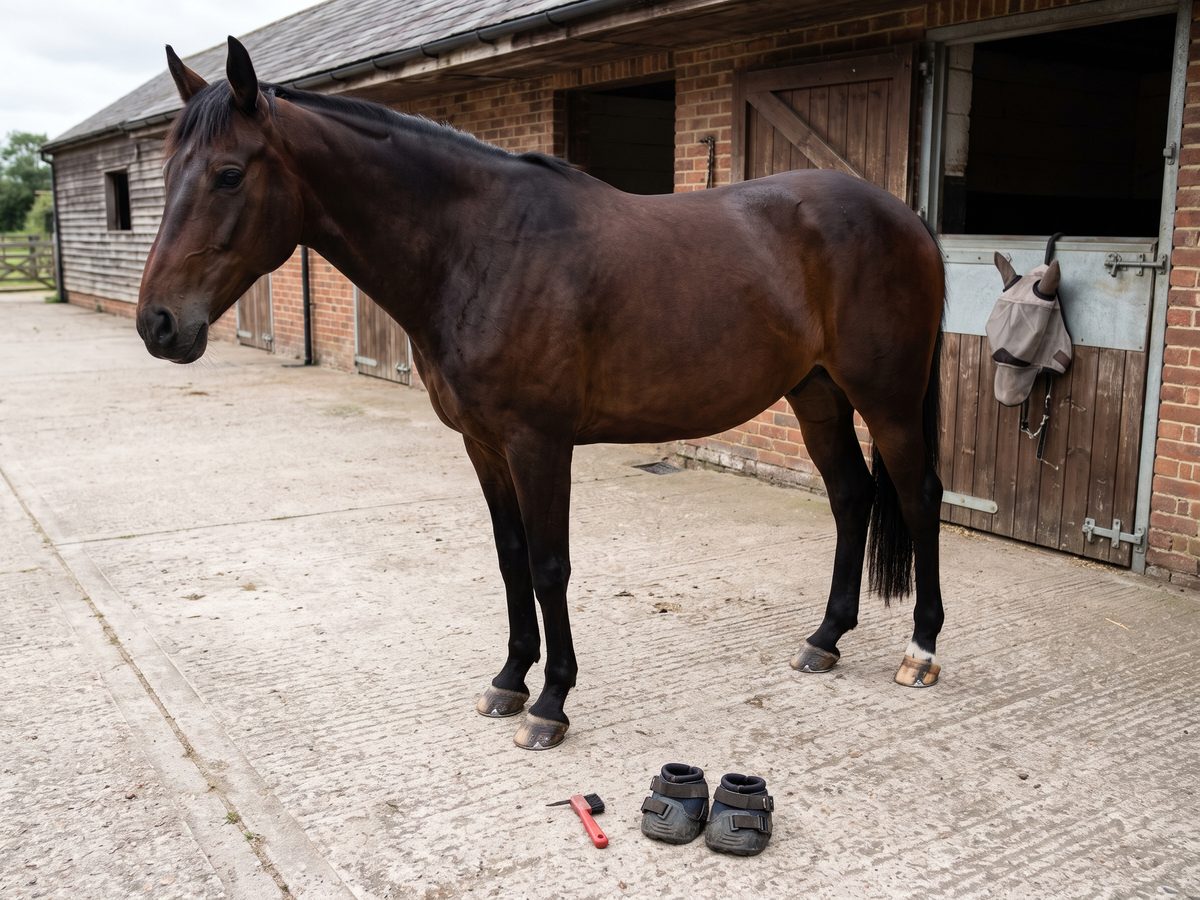
This page is about keeping a healthy horse healthy. It doesn't cover illnesses or treatments: those belong to your vet, who knows your horse.
Vaccinations, worming and any medicines: see your vet or a pet supply store with trained staff. They can tell you what suits your horse and what the rules are where you live.
The Preventive Routine at a Glance
- Every day: look your horse over, run a hand down each leg, pick out the feet, check the water and watch it eat and move.
- Every few weeks: the farrier, whether your horse is shod or barefoot. Most horses need a visit every 4 to 8 weeks, and shod horses often every 4 to 6; your farrier will set the interval. See hoof care and the farrier.
- At least once a year: a dental check by a vet or a qualified equine dental technician, more often for young and older horses. See horse teeth and dental care.
- With your vet: a vaccination plan for where you live, and a worming plan guided by fecal egg counts (modern worming).
- Every month or so: a body condition score and a weigh-tape reading (body condition scoring).
Hoof Kit for Every Day
Each button opens a search in your own country's Amazon store. As an Amazon Associate we earn from qualifying purchases.
A hoof pick with a brush clears mud and stones from the sole and lets you spot a loose shoe early. Hoof boots protect a barefoot horse on rough ground or a lost shoe until the farrier comes. A hoof stand saves your back (and the farrier's) and a sturdy tie ring with a quick-release knot keeps a horse safely in place for the job.
A First-Aid Box Without the Medicines
A clearly labeled box on the yard means nobody hunts for scissors at the wrong moment. Stock it with equipment, and ask your vet what, if anything, they want you to add. A digital thermometer is worth learning to use while your horse is well, so your vet can tell you what is normal for it. Keep your vet's and farrier's numbers taped inside the lid.
Weight, Records and Worm Testing
A weigh tape gives a quick estimate of weight between vet visits, which helps you spot a slow gain on spring grass. A fecal egg count kit lets you post dung samples to a lab as part of your vet's worming plan. A yard diary, paper or phone, keeps farrier, dental, vaccination and test dates in one place.
When to Call the Vet or Farrier
If your horse seems unwell, is lame, stops eating or has an injury, call your vet straight away and describe what you see. Don't wait to see if a product helps. A farrier handles shoeing and trimming; anything to do with your horse's health is a job for your vet, and if you aren't sure which one you need, ring the vet first.
Sign up with an equine vet before you need one, and ask how their out-of-hours service works. Our finding a vet guide has questions to ask.
Frequently Asked Questions
The quick answers people look for when setting up a yard.
How often does a horse need the farrier?
Most horses need a trim or reshoe every 4 to 8 weeks, and shod horses often every 4 to 6. Hoof growth varies with the horse, the season and the work it does, so your farrier will set the interval.
How often should a horse's teeth be checked?
At least once a year by a vet or a qualified equine dental technician, and often every six months for young horses, older horses and horses with dental problems in the past.
Which vaccinations does my horse need?
That depends on where you live, how your horse travels and the rules of any events you go to. Ask your vet for a vaccination plan, and keep the record with your horse's passport or papers.
What should go in a horse first-aid box?
Equipment first: bandages, blunt-tip scissors, a thermometer, a torch and your vet's number. Ask your vet whether they want you to keep anything else, and how to use it.
Related Reading
- Hoof care and the farrier: shod or barefoot, and what a good visit looks like.
- Modern worming: why testing comes first.
- Summer fly control: masks, sheets and manure habits.
This page covers preventive care only. If anything about your horse's health worries you, call your vet.