Horse Trailers and Horseboxes: Licenses, Loading and Safe Travel
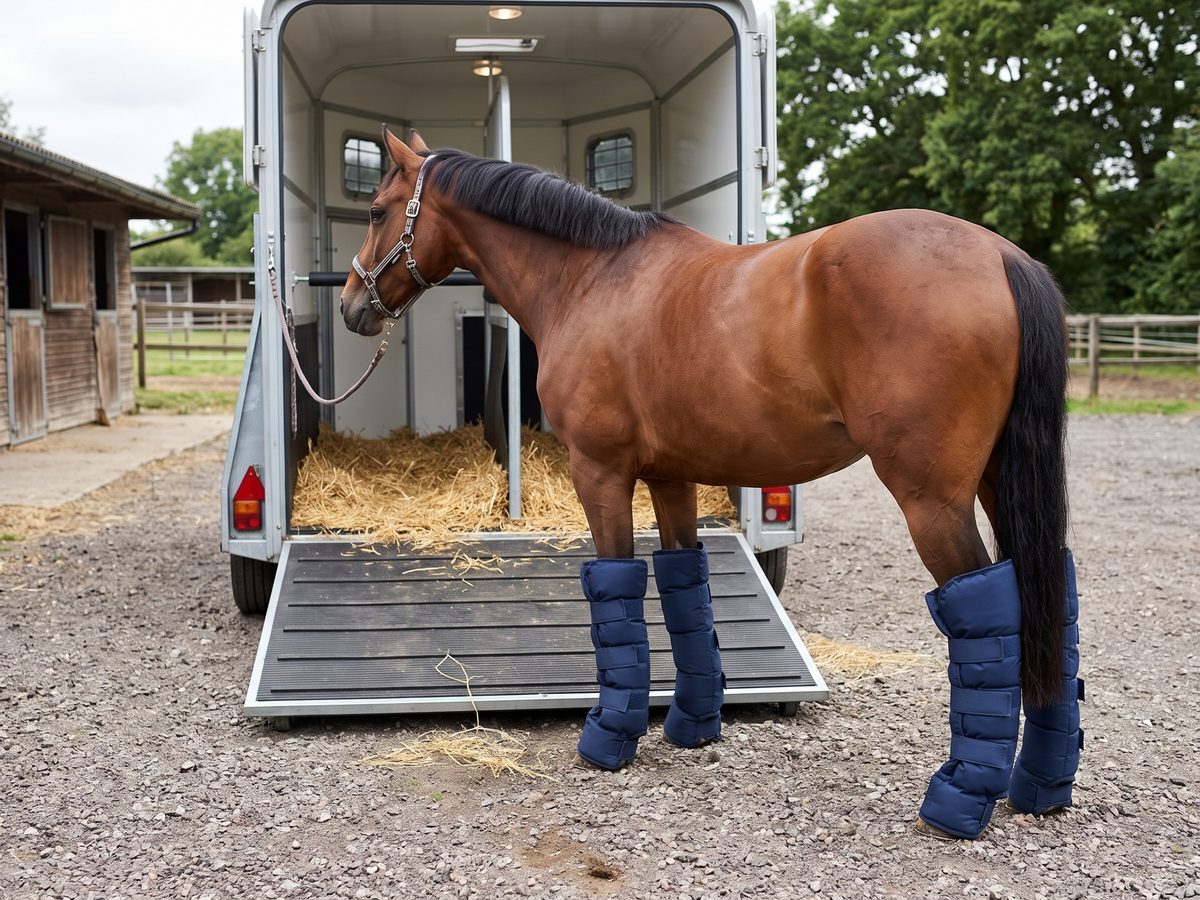
Trailer or Horsebox?
A trailer is towed behind a car or truck; a horsebox (horse truck or lorry) has the horse area built onto the vehicle. Trailers are usually cheaper and easier to store but need a suitable towing vehicle; horseboxes carry more and are easier to drive for some, but cost more and often need a higher driving license category.
Whichever you choose, check it is big enough for your horse to stand comfortably with its head up, has a solid, non-slip floor and ramp, good ventilation and safe tie points.
Safety Checks Before Every Trip
- Floor and ramp: check for soft or rotten patches, especially in older trailers, and lift any mats to look underneath.
- Tires, lights and brakes: pressures, tread, all lights working, and brakes and breakaway cable on a trailer.
- Hitch: correctly coupled and locked, with the safety chain or cable attached.
- Servicing: have the trailer or horsebox serviced regularly by a specialist.
- Training: towing and reversing a horse trailer is a skill; gov.uk and many national horse societies recommend or run towing courses.
Loading Calmly
Practice loading at home, when you aren't in a hurry, with plenty of reward. Park so the ramp is level and the inside is light and inviting. Lead the horse straight up, walking beside its shoulder, and never stand directly behind a horse on a ramp. Tie up only once the breeching bar or partition is secure, using a quick-release knot or a breakable tie, and untie before lowering the ramp to unload.
If your horse struggles to load, ask an experienced trainer for help rather than forcing it; a frightening experience makes the next time harder.
Travel Kit
Each button opens a search in your own country's Amazon store. As an Amazon Associate we earn from qualifying purchases.
Travel boots protect legs from knocks, and a poll guard protects the head on a tall horse. A travel blanket or cooler suits the weather inside the vehicle. A haynet keeps the horse occupied, and water containers mean you can offer a drink on longer trips. A breakable tie or quick-release trailer tie helps in an emergency.
On the Journey
- Drive smoothly: brake and corner gently, and give yourself extra stopping distance.
- Plan stops on longer trips to check the horse and offer water.
- Watch the temperature: vehicles get hot quickly in summer; open vents and never leave a horse in a parked vehicle in the sun.
- Carry papers: the passport in the UK, Coggins and health certificate in the US, plus your vet's number and an emergency contact.
- Pack a first-aid kit of equipment for horse and humans.
Anything to help a horse travel calmly, or any medicine for the journey: see your vet or a pet supply store with trained staff. Ask your vet before a long trip, especially for older or unwell horses.
Frequently Asked Questions
Licenses, loading and long trips.
Can I tow a horse trailer on a normal car license?
It depends on your country, when you passed your test and the weights involved. In Great Britain, drivers who passed from 1997 can tow a trailer up to 3,500 kg (7,716 lb) maximum authorized mass; check gov.uk for the details.
Do I need a special license for a horsebox?
Often, for heavier vehicles. In the UK, many horseboxes over 3.5 tonnes need an extra license category. Check your national licensing authority.
How do I get my horse used to the trailer?
Practice at home with no time pressure, lots of reward and the ramp level and the inside light. Ask an experienced trainer for help if your horse is worried.
What papers does my horse need to travel?
In the UK, its passport. In the US, a negative Coggins test and usually a health certificate to cross state lines. Other countries have their own rules.
How often should a trailer be serviced?
Follow the maker's schedule, and have it checked by a specialist regularly. Check the floor, tires, lights and brakes before every trip.
Related Reading
- Horse passports and travel papers: what goes in the glovebox.
- Horses and road safety: riding and driving near horses.
- Blankets, boots and stable gear: travel boots and coolers.
Talk to your vet before long journeys, and keep their number with the horse's papers whenever you travel.