Domestic Shorthair & Moggie Cats: The First-Choice Care Guide
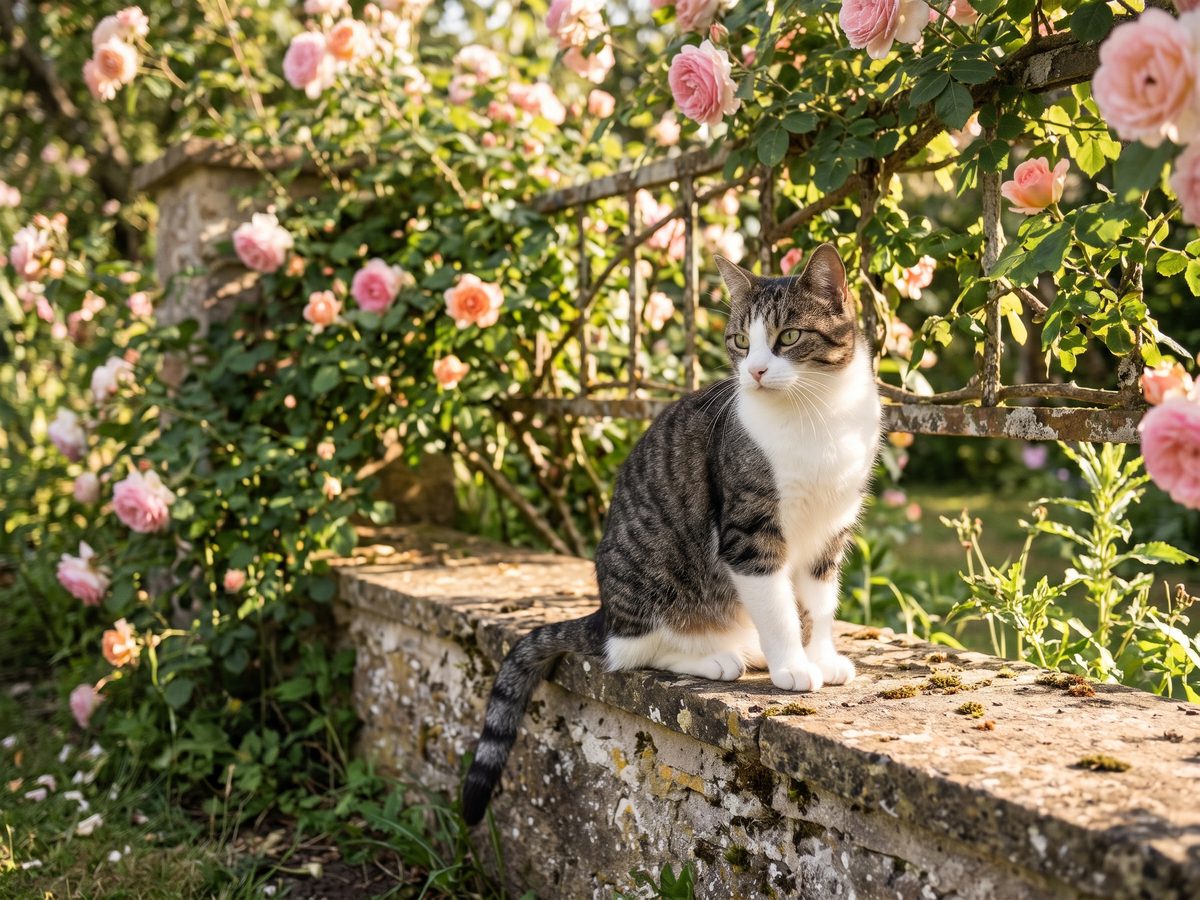
No pedigree paperwork means no single-breed answer, but the range below still tells you something real.
| Coat length | Size | Energy | Vocal level | Predictability | Lifespan |
|---|---|---|---|---|---|
| Short, occasionally a hidden longhair gene | Small to medium, wide individual range | Low to high, varies widely by cat | Quiet to chatty, no fixed pattern | Low on paper, high once you know the cat | Often 13–17 years or more |
Who a Domestic Shorthair or Moggie Suits
This is a strong first match for almost anyone weighing whether to get a cat at all, precisely because the category is so wide that a shelter or foster can usually match a specific personality to a specific household.
It suits someone who wants to meet the actual cat before committing to a coat length or an energy level, instead of choosing sight-unseen off a pedigree breed's general reputation. It's a poor match only for someone who has their heart set on a guaranteed, specific look or a documented lineage, since a moggie's appeal is precisely that none of that is fixed in advance. Everything else (activity level, lap-time, vocal habits) comes down to the individual cat.
What Varies, and What You Can't Predict
A moggie's build can land anywhere from a compact, fine-boned cat to a large, sturdy one, and coat length isn't even fixed within the "shorthair" label: a hidden longhair gene from generations back occasionally produces a fluffier kitten in an otherwise short-coated litter. Personality is the biggest unknown of all: two litter siblings raised in the same environment can grow into a bold lap cat and a watchful loner, and no amount of guessing from coat color or breed folklore changes that outcome.
This isn't a gap in the information available. It's how a wide, undirected gene pool works, and treating that unpredictability as useful information, not a flaw, changes the whole adoption conversation. A foster home or shelter that has watched the cat over several weeks offers a useful read here, better than any coat-based guess.
Settling a Shelter Cat In
Most domestic shorthairs and moggies available for adoption come through a shelter or rescue, not a breeder, which puts decompression time front and center in a way a breeder-raised kitten rarely needs.
Our week-by-week rescue cat decompression guide walks through that settling-in window, and the timeline holds regardless of whether the cat is a kitten or a wary adult with an unknown history. A cat that spends its first few days under the bed is following an entirely normal script, not signaling a permanent personality, and rushing past that stage tends to backfire more than it helps.
Coat-Length Basics
Most domestic shorthairs carry a single, dense short coat that sheds year-round with a heavier push during seasonal changes, and a weekly brush-through is usually enough to keep loose fur off the furniture. Occasionally a litter throws a fluffier kitten thanks to a recessive longhair gene carried unnoticed for generations, and that cat's grooming needs shift toward the routine covered on this site's domestic longhair care guide instead. Either way, a short-haired adult cat generally gets by with a comb and an occasional bath, and matting is far less of a concern here than it is for a true longhair breed.
No Fixed List: What Mixed Ancestry Changes About Screening
Because a moggie's ancestry isn't traceable to a single narrow line, there's no fixed list of breed-specific conditions a vet screens for the way there is with many pedigree cats. That's one real upside of a wide gene pool. What matters instead is the same general wellness routine appropriate for any cat: an annual exam, weight tracked over time instead of guessed at, and dental checks as the cat ages. A vet who knows the individual cat's history is a far better resource than any assumption drawn from coat type, size, or how the cat happened to arrive in the household.
Gear for a Cat You're Still Getting to Know
Because personality and size are unknowns on day one, starter gear that adjusts or comes in a middle-ground size makes more sense than committing to anything highly specialized. A mid-size litter box, an adjustable breakaway collar, and a sisal scratching post cover the essentials without overcommitting to a build or temperament that hasn't shown itself yet.
A few different toy types (a wand, a few rolling balls, something with catnip) help you find out what excites this particular cat, since guessing wrong on gear here is common and cheap to fix.
Frequently Asked Questions
New owners mostly want to know what a mixed background tells you, and what it doesn't.
Is a moggie just a cat without papers, or is there more to it?
Mostly the first, and that's not a lesser thing. A moggie or domestic shorthair simply comes from generations of cats mating without a breeder tracking the pairings. The result is a cat whose looks and temperament come from a wide, undirected gene pool, not a narrow, deliberately bred one.
Can a coat pattern predict personality?
Not reliably. Orange cats and tortoiseshells both carry strong folk reputations, but coat color isn't a dependable guide to temperament. The individual cat in front of you tells you far more than its coloring does.
Is a shorthair coat really lower-maintenance than a longhair one?
Generally yes for brushing frequency, since a short coat mats far less readily than a long one. It still sheds, sometimes heavily during seasonal changes, so a shorthair owner trades brushing time for a bit more vacuuming; coat upkeep doesn't disappear.
Roughly how long before a new cat shows its real personality?
Plan on several weeks at minimum, sometimes closer to two or three months in a home that's very different from wherever the cat came from. A cat still hiding a few days in isn't necessarily shy for life; it's often just cautious in an unfamiliar space.
Do mixed-breed cats have fewer health problems than pedigree breeds?
As a group, yes, mixed ancestry tends to dilute the specific inherited conditions that concentrate in a narrow pedigree line. That's a population-level pattern, though, not a guarantee for any single cat. Routine veterinary care still matters exactly as much as it would for a pedigree cat.
What's the single biggest mistake people make adopting a shelter shorthair?
Judging the cat's forever personality from its first frightened day or two in a brand-new home. A quiet, hiding shelter cat often turns out confident and affectionate once it settles, and rushing that judgment can lead to an unfair return decision made too early.
Are barn cats and feral-born cats the same as a typical moggie?
Genetically, largely yes: they're the same domestic shorthair stock. Socialization history is the real difference: a cat with little early human contact needs a slower, more patient introduction process than one raised around people from birth, regardless of coat or coloring.
Related Reading
- Bringing home a kitten: the first weeks.
- The first 30 days with a rescue cat: settling in week by week.
- Cat health basics: preventive care for any cat.
Nothing on this page substitutes for a veterinary exam. A new cat that refuses every meal for a solid day, hides constantly past the first couple of weeks, or shows any straining in the litter box needs a vet's attention, not more time to adjust on its own.