Irish Draught Horse: Size, Temperament and Care
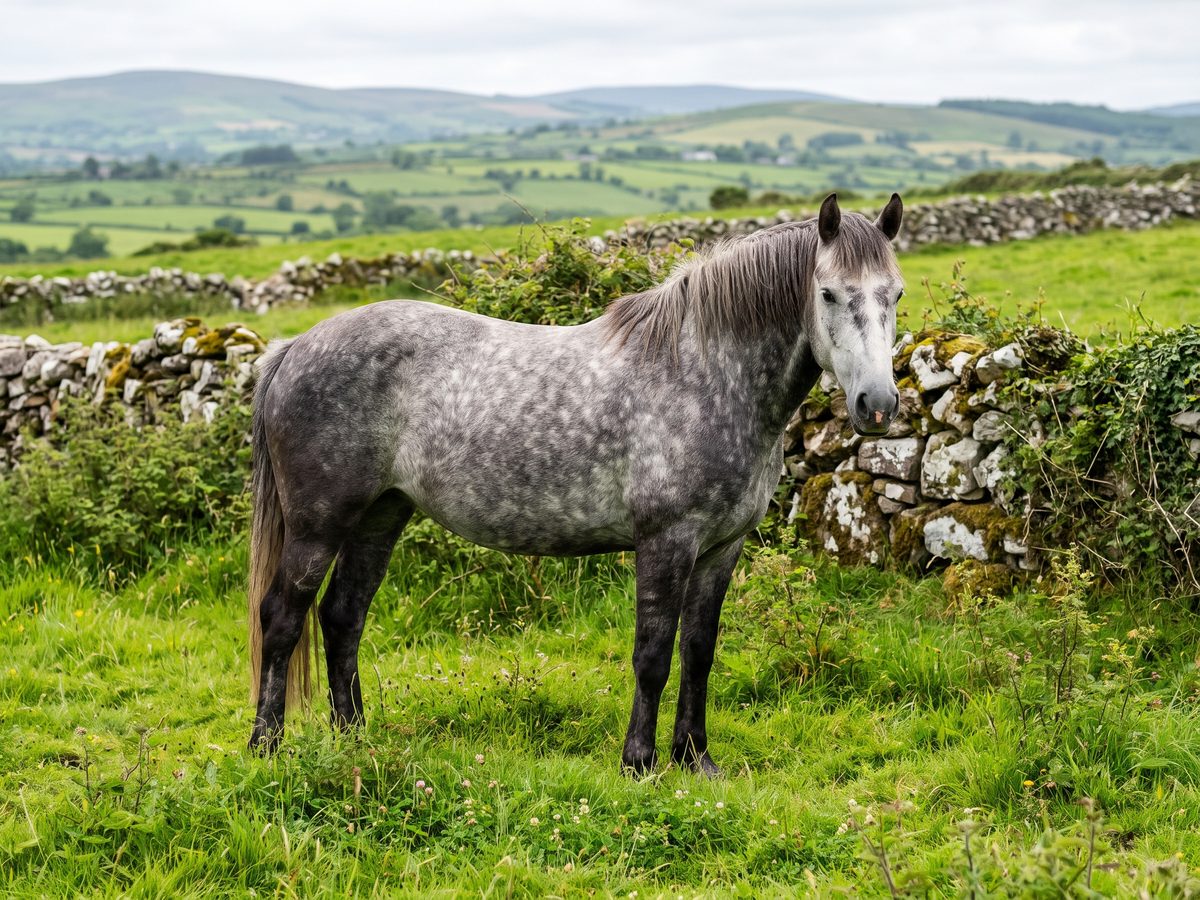
Who an Irish Draught Suits
Irish Draughts suit adult riders who want a sensible, capable horse for hacking, hunting, jumping and riding club, including riders who are taller or heavier. Their good nature makes many of them kind schoolmasters.
They mature slowly and are big, strong horses, so a young Irish Draught is best with an experienced rider and good instruction.
Ireland's All-Rounder
The Irish Draught developed on Irish farms as a horse that could plow, pull a cart, carry the family to church and go hunting at the weekend. Crossed with Thoroughbreds, it produced the Irish Sport Horse, famous in show jumping and eventing.
Horse Sport Ireland keeps the Irish Draught studbook, and societies in Great Britain, North America and elsewhere register and promote the breed. Breeding stock is inspected against the breed standard.
Feeding and Grazing
Irish Draughts are often good-doers that keep weight easily on forage alone. On rich grass, extra weight raises the risk of laminitis, so ask your vet whether grazing should be limited, especially in spring. Base the diet on weighed hay and sensible grazing, with a balancer or mineral lick for vitamins and minerals.
Hooves, Teeth, Coat and Weather
Pick out feet daily and book the farrier every few weeks, and a dental check at least once a year. See hoof care and the farrier and teeth and dental care.
Most have a good winter coat; a horse in regular work may be clipped and need a blanket (rug). See the blanket weight guide.
Gear for an Irish Draught
Each button opens a search in your own country's Amazon store. As an Amazon Associate we earn from qualifying purchases.
Irish Draughts are big and broad, so check full or extra-full sizes in headcollars, bridles and blankets. A slow-feed haynet and weigh tape help keep weight steady, and brushing boots protect legs when jumping. A turnout blanket in the right size suits a clipped horse in winter.
Company, Space and Handling
Irish Draughts need company, daily turnout and a stable big enough for a large horse: the British Horse Society's minimum for horses is 12 × 12 ft (3.65 × 3.65 m). See stabling and field shelters.
Health: Preventive Care
Book a check-up soon after your horse arrives, and ask your vet about vaccinations and a worming plan guided by fecal egg counts. Plan for the farrier every few weeks and a dental check at least once a year. Score body condition every few weeks, by hand: weight creeps on quietly, especially on spring grass.
Worming, vaccinations and any medicines: see your vet or a pet supply store with trained staff. They can tell you what suits your horse and where you live.
Buying, Loaning or Rescuing
Breed society members and breeders in Ireland, the UK and North America, sales and rehoming charities are good starting points. Have a vet do a pre-purchase examination and check the passport and studbook papers. See buying a horse.
Frequently Asked Questions
Size, temperament and the Irish Sport Horse.
How tall is an Irish Draught?
Breed societies describe stallions at about 15.3 to 16.3 hands (160 to 170 cm) and mares at about 15.1 to 16.1 hands (155 to 165 cm).
Is an Irish Draught good for a novice?
An older, experienced Irish Draught can be a kind schoolmaster. Young horses are big, strong and slow to mature, so they suit experienced riders.
What is the difference between an Irish Draught and an Irish Sport Horse?
The Irish Sport Horse is usually an Irish Draught crossed with a Thoroughbred, lighter and often bred for competition.
Can Irish Draughts live out?
Many can, with good grazing or hay, shelter, water and company. A clipped horse in work may need a blanket.
Are Irish Draughts good-doers?
Many are. Weigh hay, watch grazing and score body condition every few weeks.
Related Reading
- Thoroughbred: the other half of the Irish Sport Horse.
- Cobs and Gypsy cobs: smaller, stocky riding horses.
- Connemara pony: Ireland's native pony.
Breed traits are tendencies, not promises for the horse in front of you. If anything about your horse's health or behavior worries you, call your vet.