British Shorthair Care: Weight, Coat and Calm vs Bored
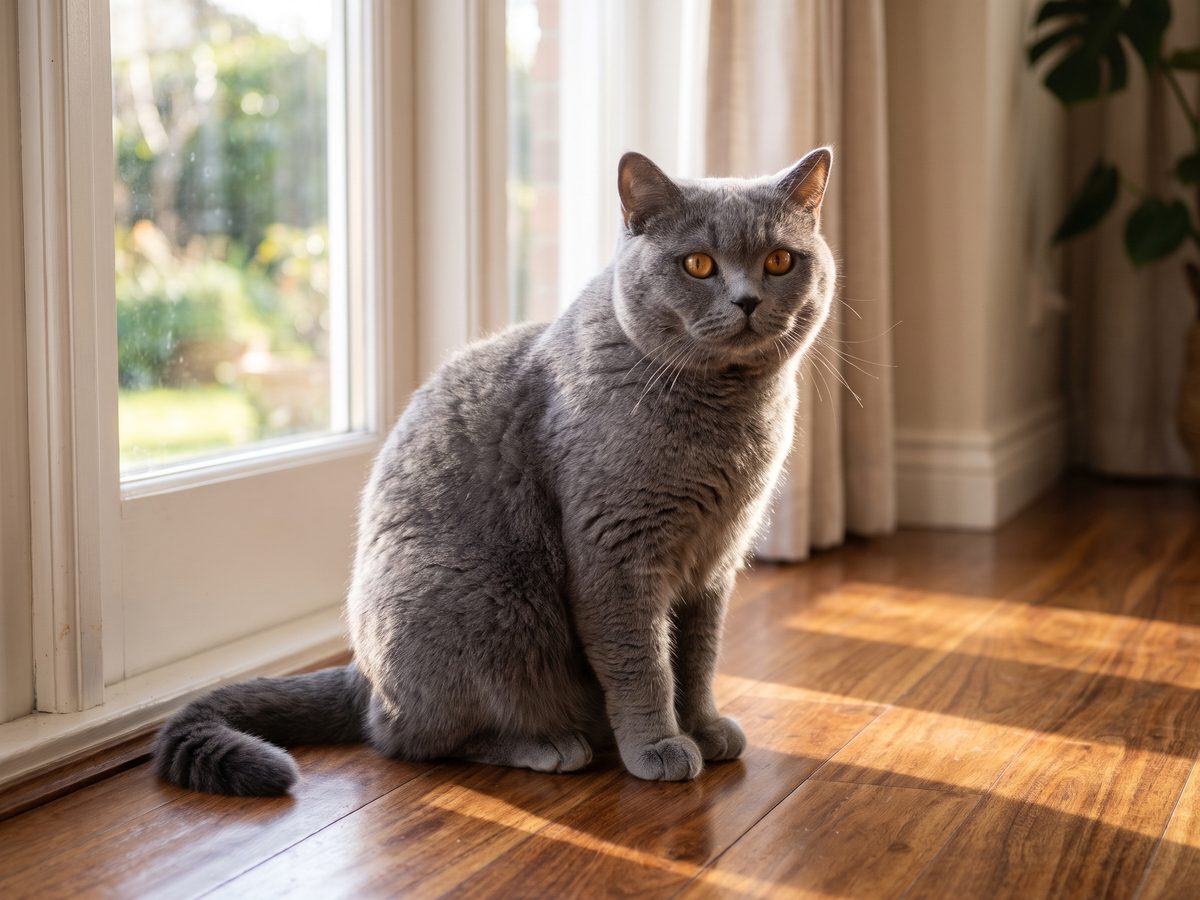
Round and calm has its own upkeep list, laid out here before the reasoning behind it.
| Size | Coat | Weight tendency | Energy | Lifespan | Good with |
|---|---|---|---|---|---|
| Medium to large, sturdy build | Dense, plush double coat | Prone to gaining without portion control | Low to moderate, naturally sedate | About 12–17 years | Calm households, other pets |
Matching This Breed to the Right Household
A low-key, undemanding cat is exactly what this breed delivers, provided the household commits to actively managing food portions instead of letting a naturally sedentary animal free-feed. Valuing independence over constant physical affection helps too. This breed doesn't typically crave being carried around on demand, and that's not disengagement from the household, just a different style of company.
Assuming the calm reputation means no upkeep at all is where things go sideways: weight and coat both need real attention, and mistaking contentment for a green light to skip enrichment tends to produce a heavier, more passive cat than was ever necessary.
Keeping an Eye on Weight
This breed's naturally low activity baseline means calories that a more athletic cat would burn off simply accumulate here instead, and a dense, sturdy frame can hide early weight gain from a casual glance in a way a leaner breed's body wouldn't. Measured meals instead of a free-fill bowl, a firm cap on treats, and a hands-on check for hidden weight gain by feel, not just by eye, all count double on a body built like this one.
Our how much to feed a cat guide covers setting a starting portion and adjusting it against actual body condition instead of guessing from a bag's chart.
Telling Calm Apart From Bored
A content British Shorthair still shows interest when something new enters the room (a new toy, a moving hand, a bird outside a window), even if it doesn't leap up immediately the way a higher-energy breed might. A bored cat, by contrast, tends to stay put through all of that, and the two states look deceptively similar from across the room since neither one involves much visible activity.
Building real engagement into a low-key routine is exactly what our indoor cat enrichment guide walks through, which matters more for this breed than the "naturally calm" reputation tends to suggest at first glance.
Dense-Coat Grooming
The breed's short, dense double coat has a plush, almost stuffed-toy texture that resists matting well, so a couple of brushing sessions a week generally keeps it looking tidy nearly year-round. Shedding increases noticeably during seasonal coat changes, and stepping up brushing frequency during those stretches catches the extra volume before furniture and carpets catch it instead. Because the coat's thickness can hide skin issues underneath, a hands-on check during brushing doubles usefully as a basic skin scan, something worth doing on a schedule, not only when something already looks off.
Not Aloof, Just Choosy, Plus a Kidney Screening Test
This breed's reputation for standoffishness mostly comes down to a preference for choosing its own moments to seek attention instead of being carried or held on demand, which reads as cold to someone expecting constant lap time but functions as a different, still real style of attachment.
On the health side, polycystic kidney disease (PKD) has appeared in some lines of this breed. Breeders and vets screen for it with a DNA test or a scan; it isn't something an owner would spot by watching the cat. A careful breeder tests their breeding stock directly instead of relying on looks or family history alone.
Gear for a Calm, Weight-Conscious Cat
A portion-control feeder or a measuring cup used consistently does more for this breed's long-term comfort than any other single item you could buy, since eyeballing a scoop is where most gradual weight gain quietly starts.
A slicker brush handles the plush double coat's grooming needs without demanding daily attention, and a puzzle feeder turns mealtime into a bit of mental work that a naturally low-key cat otherwise wouldn't seek out on its own. A cat tree with a wide, low platform gives a sturdy-bodied cat somewhere comfortable to survey the room from.
Frequently Asked Questions
Weight management and reading this breed's low-key temperament come up more than anything else here.
Is a British Shorthair naturally a heavier cat, or does that come from overfeeding?
Both play a part. The breed carries a naturally dense, sturdy frame, but its low activity baseline means excess calories turn into weight gain more readily than in a more active breed. Measured meals and a clear-eyed look at treat quantity matter more here than the breed's frame alone would suggest.
How can I tell if my British Shorthair is calm or just bored?
A content cat still shows interest in a new toy, a moving hand, or a window view when offered one; a bored cat tends to ignore even novel stimulation and simply stays put. Offering a brief play session and watching whether the cat engages at all is a more reliable read than energy level alone.
Does the dense double coat need daily brushing?
Not daily for most of the year. A couple of sessions weekly generally keeps the coat in good shape, since the dense, plush texture doesn't mat the way a longhair's does. Shedding increases noticeably during seasonal coat changes, when more frequent brushing pays off.
Is a British Shorthair actually unfriendly, given the reputation for aloofness?
No. Independent is a more accurate word than aloof. This breed generally prefers choosing when to seek attention over being carried around on demand, which reads as standoffish to someone expecting a lap cat but amounts to a different, still affectionate style of bonding.
How much should a British Shorthair actually eat each day?
There's no single number that works for every cat, since a fair portion depends on the specific animal's body condition, how active it is day to day, and its current life stage far more than on breed alone. A vet or this site's own feeding guide can help set a reasonable starting point, then adjust it against how the cat's body looks and feels over time.
Do British Shorthairs need more enrichment than other calm breeds?
Arguably yes, because their low activity baseline makes it easy to mistake boredom for contentment. Building in short daily play sessions and some vertical territory helps keep a naturally sedentary cat from sliding into a fully passive routine that weight gain then compounds.
Are British Shorthairs prone to any specific health conditions?
Polycystic kidney disease (PKD) has shown up in some lines of this breed. It can be screened for with a DNA test or a scan, and a careful breeder tests their breeding cats for it. Ask your vet what else to check as your cat ages.
Related Reading
- How much to feed a cat: keeping weight in check.
- Chartreux: another sturdy blue cat.
- Exotic Shorthair: a plush, calm cousin.
This guide describes typical temperament and weight tendencies, not your cat's health. Any change in drinking, appetite or litter habits is a reason to see your vet, who can also advise on kidney screening for this breed.