Dog Food: Dry, Wet, Fresh and Freeze-Dried
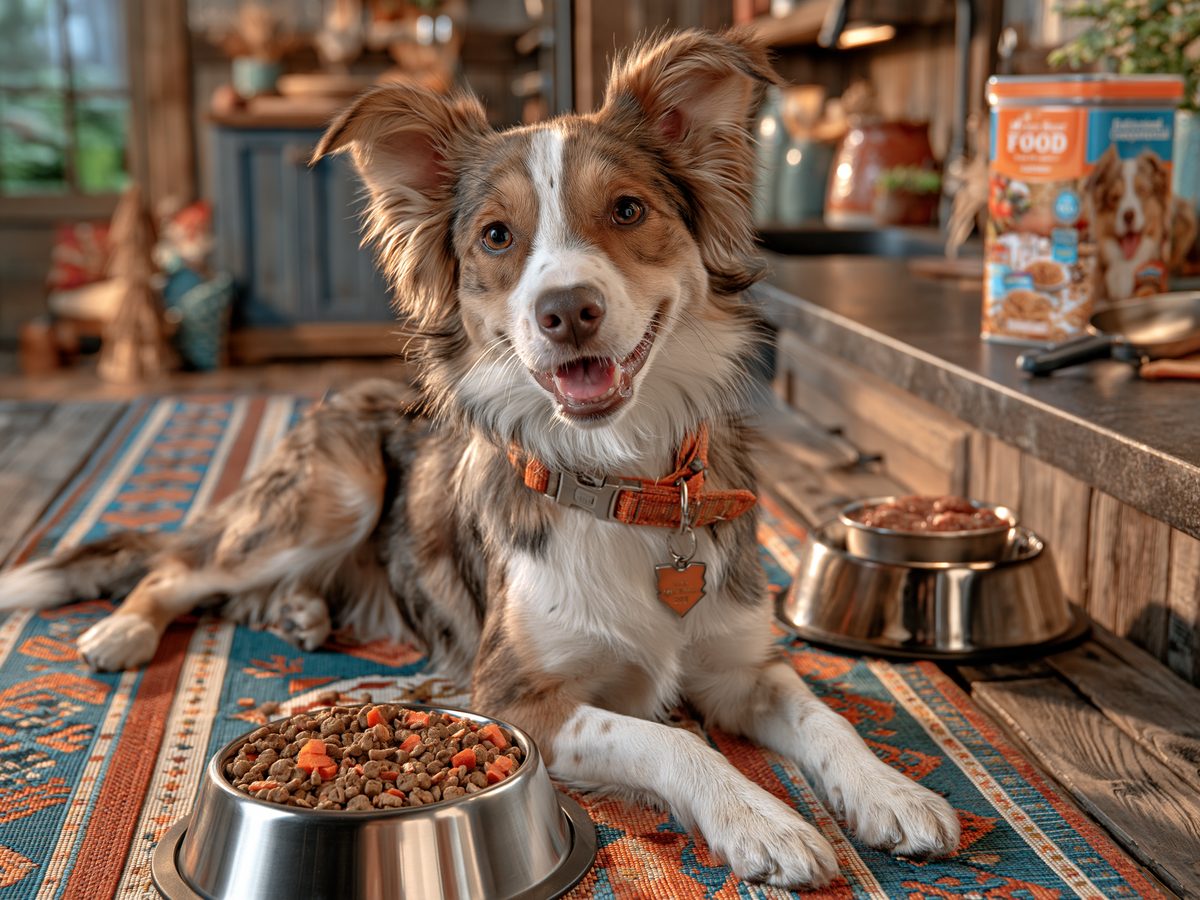
A growing Labrador puppy, a lean adult husky and an older Dachshund need different calorie levels, different mineral balances and different portion sizes. This page sorts the shelf the way a dog eats: dry food by life stage first, then wet, fresh and freeze-dried, then sensitive-stomach formulas and the gear that keeps food fresh and portions steady. For the bigger picture on choosing a format, see kibble, wet, fresh, freeze-dried or raw.
Each button opens a search in your own country's Amazon store. As an Amazon Associate we earn from qualifying purchases.
Dry Dog Food by Life Stage
Puppy, adult and senior formulas are not interchangeable. Puppy food carries more energy and nutrients for growth. Large and giant-breed puppy recipes control calories and calcium so the puppy grows at a steady rate, which breeders and vets recommend as one part of protecting developing joints, alongside good breeding and a lean body. Adult formulas hold a steady maintenance level, and senior formulas usually trim calories. Look for "complete and balanced" (or "complete") on the label and match it to your dog's actual stage and size.
Wet Dog Food
Wet food comes as pâté, stew, chunks in gravy and loaf. A stew or gravy adds water to the diet, while a firm pâté is easier to portion. A complete wet food can be the whole diet; a topper or mixer is only meant to go on top of a complete food, not be fed alone. Once opened, cover it, refrigerate it and use it within the time on the label.
Fresh, Freeze-Dried and Toppers
Freeze-dried food has the water removed, so it stores at room temperature until you rehydrate it or feed it as it is. Fresh refrigerated foods need fridge space, like the meat aisle. Many people use either as a topper on dry food. If you feed raw or freeze-dried raw, follow the hygiene advice on the pack: wash hands, bowls and surfaces, as you would with raw meat.
Sensitive-Stomach and Limited-Ingredient Food
Limited-ingredient foods use one main protein and a short list of other ingredients. Novel-protein foods use a meat your dog hasn't eaten much before, such as duck, venison or fish. Some owners find these suit a dog with a fussy digestion. If your dog has ongoing tummy trouble or skin problems, see your vet first, so you are not guessing. Change any food gradually over about a week; see switching dog food without upset.
Diets Your Vet Recommends
Some foods are made for dogs with particular medical needs. They are designed around that condition, so they are not a good choice for a healthy dog, and you should only feed one when your vet advises it. Your vet will tell you which diet and where to buy it; the route differs by country, so we don't link to these foods.
Veterinary diets and medicines: see your vet or a pet supply store with trained staff. They can tell you what suits your dog.
Food Storage and Serving
An airtight container keeps an opened bag fresh, which matters in a humid kitchen; keeping the food in its original bag inside the container keeps the batch details to hand. A slow-feed bowl slows down a dog that gulps. A measuring scoop, or better, kitchen scales, keeps portions the same from meal to meal, and steady portions do more for a dog's waistline than most people expect. Ask your vet to check body condition at each visit.
Frequently Asked Questions
Every dog thinks dinner is late. Here's how to choose it.
What does "complete and balanced" mean?
It means the food is made to be the whole diet for the life stage on the label, with all the nutrients a dog needs. A topper, mixer or treat is not complete and shouldn't be fed alone long term.
How do I switch my dog to a new food?
Mix a little of the new food into the old and increase it gradually over about seven to ten days. If your dog's stools haven't settled a few days after the switch, talk to your vet.
Does my dog need a large-breed puppy food?
If your puppy will be a large or giant adult, a large-breed puppy formula is usually recommended, because it supports steady growth. Ask your vet or breeder when your puppy should move to adult food.
Should I buy a prescription or veterinary diet myself?
No. These foods are made for specific medical conditions and should only be fed on your vet's advice. Your vet will tell you which one and where to get it.
Related Reading
- Puppy, adult and senior dog food: what changes with age.
- Kibble, wet, fresh or raw: the formats compared.
- Dog feeding and watering: bowls, feeders and fountains.
Every dog is different. Ask your vet to check your dog's weight and body condition at each visit, and talk to them before changing diet for a health reason.