Dog Toys & Enrichment
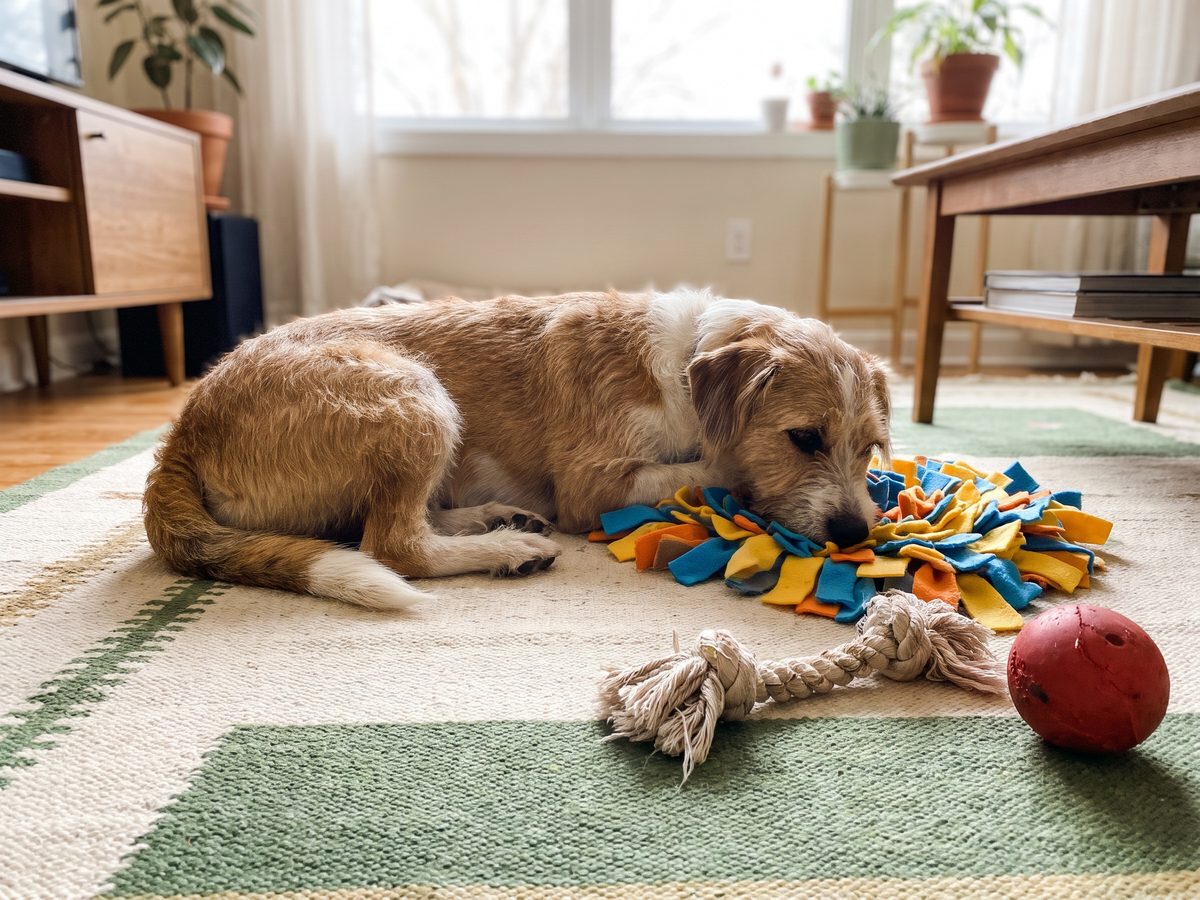
A toy that suits your dog's chew style lasts longer and gets played with. A "tough" toy bought for a shredder is often in pieces by lunchtime, and an expensive puzzle given to a fetcher can sit untouched in the basket. Each section below explains one style and opens a matching search in your own country's Amazon store.
As an Amazon Associate we earn from qualifying purchases.
Chew Toys for Gnawers
A steady gnawer wants a firm rubber or nylon toy built for long chewing sessions. Size up, not down: a toy that is too small can be worn into a piece that is a choking risk. Rotating two or three chew toys keeps them interesting.
Fetch Toys & Launchers
A ball launcher throws farther than your arm and means you never touch a slobbery ball. A flying disc suits a dog that jumps and catches well. If your dog loves water, choose toys that float, and pick solid rubber balls over tennis balls for strong jaws.
Rope Toys for Tuggers
A rope toy gives a tugging dog something to pull against. Tug is a great game as long as the rules stay the same every time, including letting go on cue. Check ropes now and then and replace them when they start to fray, so loose threads don't get swallowed.
Plush & Squeaky Toys for Shredders
A dog that turns every soft toy into confetti isn't broken; that is simply its play style. Unstuffed plush toys keep the squeak and the shredding without the mess, and some toys have replaceable squeakers. Supervise play with any new soft toy until you know your dog won't swallow the pieces.
Puzzle & Snuffle Toys
Puzzle toys ask a dog to slide, flip or lift covers to reach a treat, and a snuffle mat hides kibble in fabric strips to sniff out. Both tire the brain, which helps on rainy days and quiet days. Start with an easy puzzle and work up, so your dog doesn't give up. Our dog enrichment ideas page has more games.
Stuff-and-Freeze Toys
A hollow rubber toy stuffed with food and frozen turns a quick snack into half an hour of work. Wet dog food, mashed banana or plain peanut butter work as fillers; check that peanut butter contains no xylitol, which is poisonous to dogs (see our toxic foods guide). Pick the size to suit your dog's jaw: too big is impossible, too small is finished in seconds.
A stuffed toy can help a dog settle in the first minutes after you leave. If your dog is distressed whenever it is left, read separation anxiety basics and talk to your vet.
Frequently Asked Questions
Chew styles, puzzles and toy safety.
Any quick way to tell which chew style my dog has?
Watch the first few minutes with a new toy. A gnawer settles in and works on it slowly, a shredder goes straight for the seams, and a fetcher ignores it unless you throw it. Most dogs lean strongly toward one style, even if they show a little of each.
Are puzzle toys good for dogs, or just a gimmick?
Puzzle and snuffle toys give real mental exercise, and many trainers suggest them for dogs that get bored easily. They work best as part of a routine that still includes walks and play, not as a replacement for either.
Is it normal for my dog to destroy every plush toy in minutes?
Yes. That is a shredder's chew style, not a fault in the dog, and it is common in many breeds. Choose tougher or unstuffed designs, accept shorter toy lifespans, and supervise play so you catch any pieces that get swallowed.
How often should I replace dog toys?
Check toys every week or so. Throw away anything with loose pieces, deep cracks, fraying strings or a squeaker that has come out, and replace chew toys that have been worn down small enough to swallow.
Related Reading
- Dog enrichment ideas: sniff walks, scatter feeding and rainy-day games.
- Dog feeding and watering: slow feeders and lick mats.
- Dog training supplies: treat pouches, lines and clickers.