Cat Food
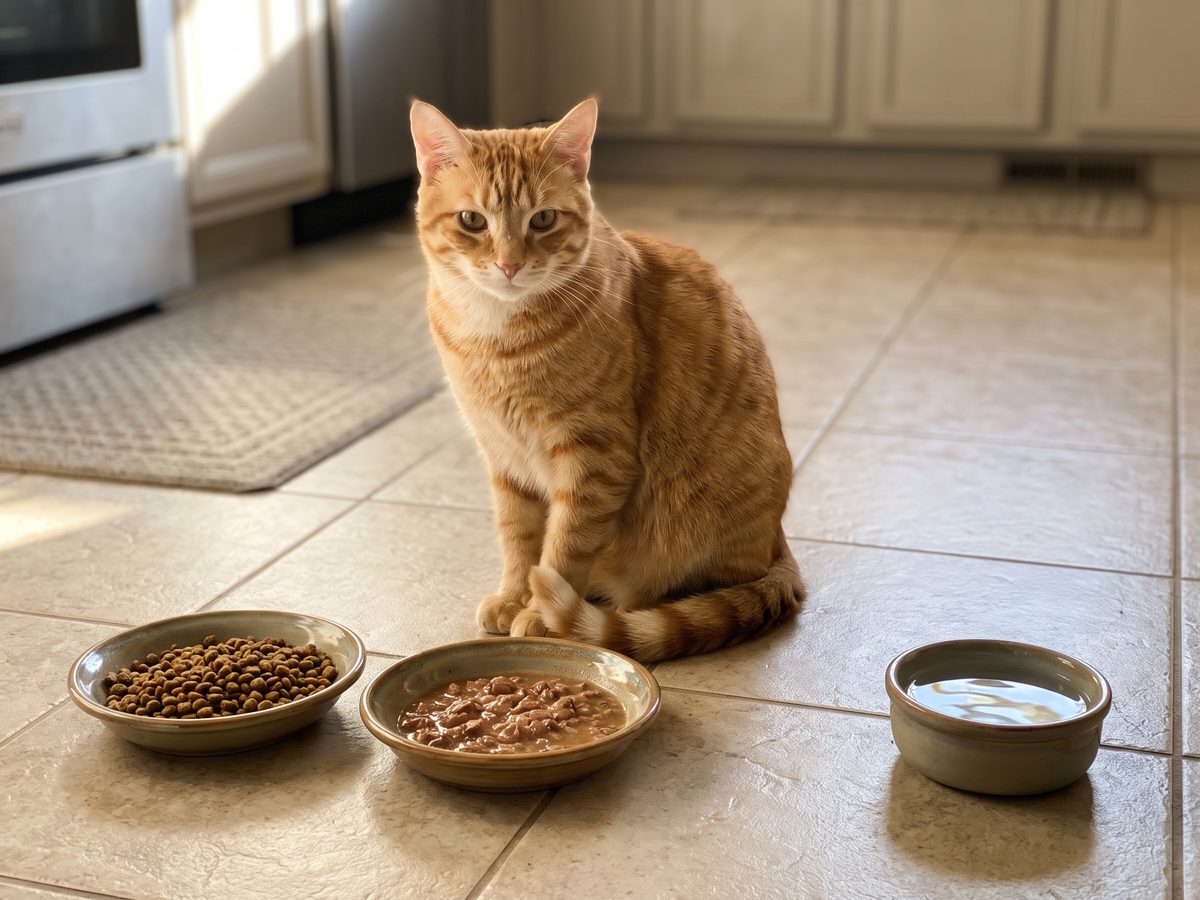
A cat's food shelf on Amazon splits along different lines than a dog's, and matching the right shelf to the right cat matters for reasons specific to cats: obligate carnivores need more protein and less carbohydrate than dogs do, water intake affects urinary health directly, and a kitten's growth window is shorter and more calorie-dense than a puppy's. An indoor adult cat, a growing kitten, and a cat with an aging kidney all need meaningfully different formulas, not just a different flavor of the same bag.
Add freeze-dried toppers and the newer fresh foods, and the choices multiply fast.
This page sorts that shelf by how a cat actually eats: dry food by life stage and lifestyle first, since that's where most households reorder monthly, then the urinary and hairball formulas built around a cat's two most talked-about food-related complaints, wet food by texture and freeze-dried and topper options, then a note on diets your vet recommends, and finally how to store and serve whatever ends up in the bowl. Tap a button under any section to pull up current listings for that specific format.
Dry Cat Food by Life Stage & Lifestyle
Kitten, adult, indoor, weight-control, and senior formulas are built around different calorie densities and nutrient ratios, and an indoor-formula bag in particular trims calories to match a cat that spends its day on a windowsill, not hunting outdoors. Purina ONE and Purina Pro Plan both publish dedicated indoor lines, IAMS built an entire indoor range around the same lower-activity idea, and Hill's and Royal Canin each offer life-stage-specific dry formulas from kitten growth through senior maintenance.
Weight-control formulas add fiber for satiety at a lower calorie count, useful for an indoor cat prone to putting on weight. Matching the bag to a cat's actual stage and activity level, instead of picking whatever looks familiar on the shelf, is the single easiest food decision to get right.
Urinary & Hairball Support Formulas
Ask a cat owner what sends them hunting for a specific dry food and urinary health or hairballs comes up constantly, and both concerns have everyday formulas built around them. A urinary-support formula generally aims for a controlled mineral profile and encourages water intake indirectly, while a hairball formula adds extra fiber to help move swallowed fur through the gut instead of it building into a mass.
Neither formula treats an existing urinary blockage or a hairball that's already stuck, and a cat straining in the litter box with little or no urine coming out needs emergency veterinary care immediately, not a bag change. These formulas support an otherwise healthy cat's ongoing comfort, which is a different thing entirely from treating a diagnosed condition.
Wet Cat Food by Texture
Wet food ranges from a firm pâté that portions predictably to a loose gravy or broth that adds noticeably more moisture to a bowl, and the texture a cat prefers is often surprisingly particular. Fancy Feast covers nearly every texture in one lineup, from classic pâté to gravy-lovers cuts, while Sheba Perfect Portions packages small, single-serve trays that stay fresh without opening a full can. Weruva leans toward shredded meat in broth, and Tiki Cat markets a higher-protein lineup.
A cat that drinks little from the water bowl often takes in meaningfully more fluid from a broth-style wet food than from a bowl of plain water alone, and that added moisture pays off most for a cat's bladder and kidneys across the years.
Freeze-Dried Raw & Meal Toppers
Drying real meat under vacuum, not heat, is what separates freeze-dried raw from anything cooked, and that gentler process is why the bag sits fine on a pantry shelf, ready to crumble over kibble or reconstitute with water.
Stella & Chewy's built an entire feline line around this format, and Instinct splits its offering two ways: full freeze-dried meals, and smaller raw-boost pieces meant for mixing into an existing bag of kibble. Sprinkling a topper over a bag a cat has grown tired of works well for palatability, though relying on one as the entire diet long-term risks leaving real gaps. Raw meat also carries a risk of bacteria such as salmonella, so wash hands and bowls well. Frozen raw diets stay a niche next to freeze-dried on Amazon, since shipping anything frozen is a harder problem than a shelf-stable pouch.
When Your Vet Recommends a Special Diet
Veterinary diets and anything your vet prescribes: buy them through your vet or a pet supply store with trained staff. How they are sold differs from country to country.
Some foods are made for cats with a diagnosed condition, such as urinary, kidney or digestive problems. They are built around that one problem, so a healthy cat shouldn't eat them. If your vet names a diet, stick to that exact food and check with them before you change it. We don't link to these foods.
Serving & Storage
Sealing dry food in an airtight bin does more for freshness than most kitchens give it credit for, since humidity works fast on an open bag, and leaving the food inside its original packaging before dropping it into the bin keeps the lot number handy should a recall ever come up.
Once a can of wet food is open, it turns fast, so a snap-on can lid plus same-day refrigeration is what actually gets a second meal safely out of a half-used can. Deep bowls drag on a cat's whiskers with every bite, which is reason enough to switch to something shallow and wide instead. Measuring meals instead of leaving food out all day also flags a creeping weight change well before it becomes obvious.
Related Reading
- Wet vs dry cat food: the trade-offs, side by side.
- How much to feed a cat: portions by body condition.
- Kitten to adult food: when and how to switch.
- Cat feeding and fountains: bowls, feeders and water.
- Browse all Cats pages
Frequently Asked Questions
Should an adult cat eat an all-life-stages food?
An all-life-stages formula is built to meet a kitten's higher nutrient needs, which usually means more calories and fat than a healthy adult cat requires day to day. It works fine occasionally, but an adult or senior formula matched to your cat's actual stage is the better everyday choice for weight control.
Can wet food replace dry food entirely?
Yes, a complete-and-balanced wet food is formulated to be a cat's entire diet, and many owners feed wet-only for the extra moisture. Cost per calorie runs higher than dry food, so a mixed feeding routine is common purely for budget reasons, not because of any nutritional need.
Can a healthy cat eat a veterinary diet?
No. A veterinary diet is built around one diagnosed condition, and giving it to a cat without that condition can tip something else out of balance. Use one only when your vet recommends it.