Shetland Pony: Size, Temperament and Care
Who a Shetland Suits
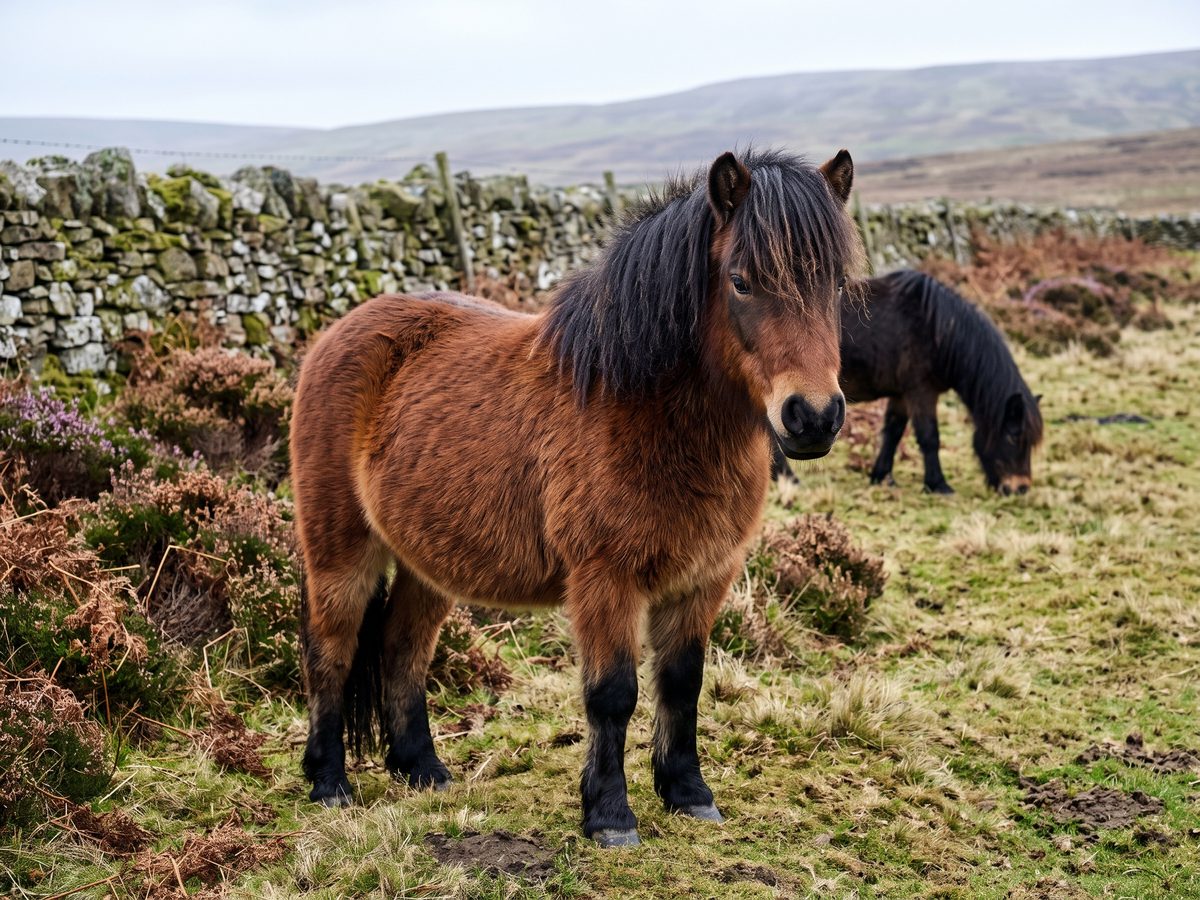
Shetlands suit families with a small child and an adult who knows ponies, people who want to drive a pony, and owners looking for a hardy companion for another equine. They are bold, intelligent and often very affectionate.
They are a harder fit for anyone who expects a toy. A Shetland is strong enough to tow its handler across a field and clever enough to open a gate or find the weak spot in a fence. Children usually outgrow riding one within a few years, while the pony may live for decades, so plan for its whole life.
Adults are generally too big to ride a Shetland, but many adults enjoy driving one, and they shine at in-hand showing and Shetland pony racing for children.
From the Shetland Isles
The breed comes from the Shetland Isles, far to the north of mainland Scotland, where a harsh climate and sparse grazing produced a small, tough, thick-coated pony. Shetlands carried peat and seaweed for island families and, later, worked in coal mines in Britain.
The Shetland Pony Stud-Book Society, founded in 1890, keeps the British breed's stud book. In the US, the American Shetland Pony Club registers several types, including a taller, finer Classic and Modern Shetland, so a "Shetland" can mean quite different ponies on each side of the Atlantic.
Feeding and Grazing
Like most native ponies, Shetlands evolved on poor, rough grazing and are very good at turning a little food into a lot of pony. On rich lowland grass that talent becomes a problem: they put on weight fast, and extra weight raises the risk of laminitis. Ask your vet whether your pony's grazing should be limited, especially in spring and early summer.
Base the diet on forage: grass in moderation and weighed hay, often in a small-hole haynet. Most need little or no bucket feed, just a ration balancer or mineral lick for vitamins and minerals, plus salt and fresh water. Read feeding horses forage first and body condition scoring.
Hooves, Teeth, Coat and Weather
Pick out feet daily and book the farrier regularly: most Shetlands live barefoot, but their hooves still grow and need trimming every few weeks. Dental checks at least once a year matter just as much in a small mouth.
That famous winter coat is superb insulation, and most healthy Shetlands with shelter don't need a blanket (rug). Give them a field shelter or thick hedge, and check under the coat by hand, because it hides weight gain and loss. Many shed it slowly in spring, so a rubber curry comb is your friend.
Gear for a Shetland
Each button opens a search in your own country's Amazon store. As an Amazon Associate we earn from qualifying purchases.
Pony-sized headcollars and lead ropes are the first buy: Shetland heads are small and broad, so try a few sizes. A small-hole haynet makes a weighed hay ration last, and a grazing muzzle can help on spring grass if your vet suggests one. A weigh tape spots weight creeping on, and a rubber curry comb shifts that thick coat in spring.
Company, Space and Handling
Shetlands need equine company like any pony. Another pony or a horse of similar needs is ideal, though grazing that suits a big horse may be far too rich for a Shetland, so you may need to divide the field.
Handle them like the strong, clever ponies they are: consistent, kind boundaries from day one, good fencing (including at the bottom, where they may squeeze under), and gates that can't be nudged open. Many owners use a track system to keep them moving while limiting grass. See grazing and pasture management.
Health: Preventive Care
Book a check-up soon after your pony arrives, and ask your vet about vaccinations and a worming plan guided by fecal egg counts. Plan for the farrier every few weeks and a dental check at least once a year. Score body condition every few weeks, by hand: weight creeps on quietly, especially on spring grass.
Worming, vaccinations and any medicines: see your vet or a pet supply store with trained staff. They can tell you what suits your pony and where you live.
Buying, Loaning or Rescuing
Rescue and rehoming charities often have Shetlands looking for homes, including companions that can't be ridden. If you buy, see the pony with its passport, ask how it behaves for the farrier and with children, and have a vet do a pre-purchase examination. Our buying a horse guide covers the steps.
Frequently Asked Questions
Size, strength and that famous appetite.
How tall is a Shetland pony?
In the UK, up to 42 inches (107 cm) at the withers, with miniatures at 34 inches (86 cm) and under. American Shetlands are a taller type, with main divisions up to 46 inches (117 cm).
Can an adult ride a Shetland?
Generally no; they are a child's pony for riding. Many adults drive Shetlands instead, and they are strong enough to pull a small cart once trained.
Is a Shetland a good first pony?
It can be, for a small child with an experienced adult in charge. Shetlands are clever and strong, so they need consistent handling, and they easily gain weight.
Can a Shetland live alone?
No. Like all ponies, Shetlands need equine company. Plan for at least two equines.
How long do Shetland ponies live?
Often 25 to 30 years or more, so a child's first pony may still be around when that child is grown up.
Do Shetlands need a blanket in winter?
Most healthy Shetlands with shelter don't, thanks to their thick winter coat. Older or thin ponies may need help; ask your vet.
Related Reading
- Donkeys and miniature donkeys: another small equine with big needs.
- Welsh ponies and cobs: the next size up for a growing child.
- Grazing and pasture management: limiting grass for good-doers.
Breed traits are tendencies, not promises for the pony in front of you. If anything about your pony's health or behavior worries you, call your vet.