Horse Teeth and Dental Care: Checks, Who Does Them, and When
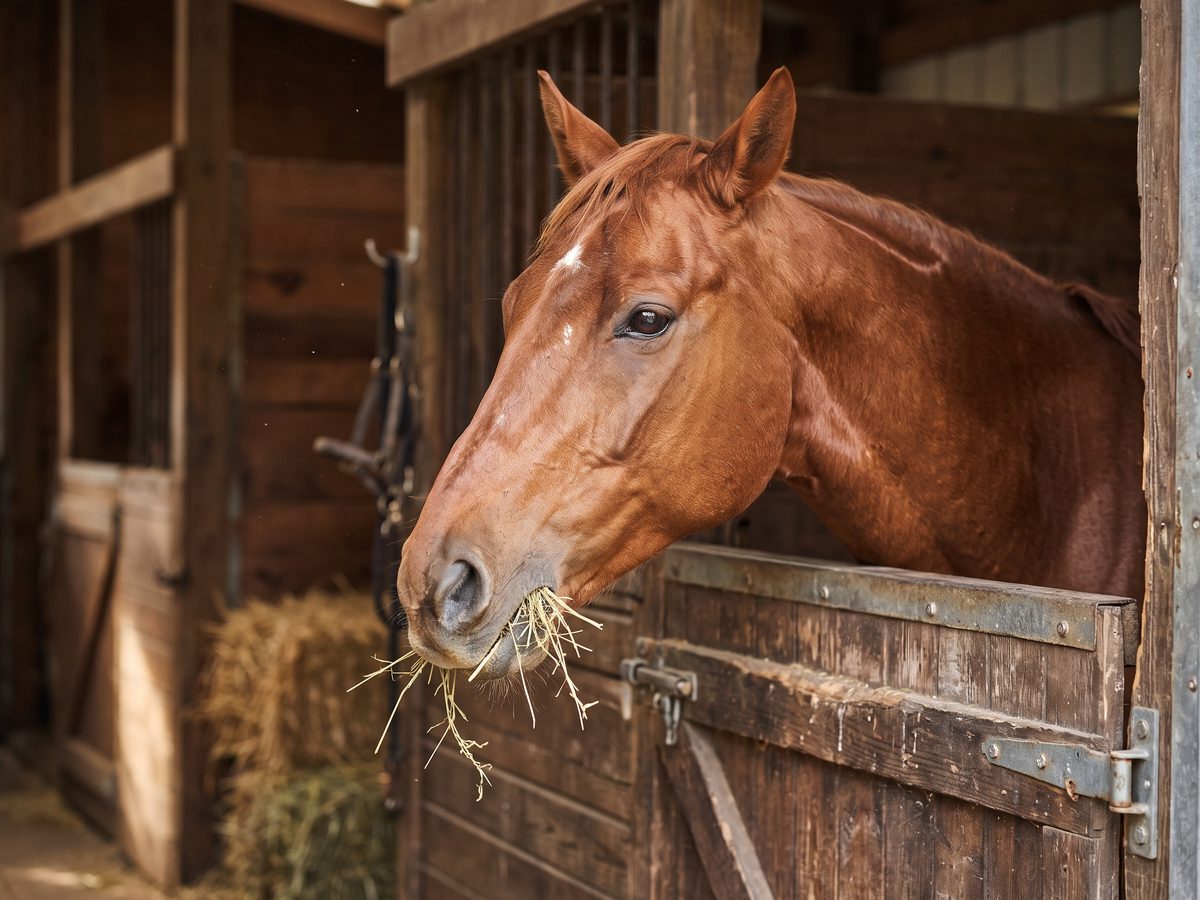
Why Horses Need Dental Checks
A horse's cheek teeth are long, and they keep moving up into the mouth as the grinding surface wears down, a little each year. That works beautifully on a diet of grass. But wear isn't always even, and sharp edges or uneven surfaces can develop that rub the cheeks or tongue, make chewing less efficient, and make a bit uncomfortable.
Regular checks catch these early, when a quick rasp (often called floating) puts things right. A dental check is also a chance for your vet or technician to look at the whole mouth.
How Often?
The University of Liverpool's equine hospital advises dental examinations at least once a year for most horses. From around 12 years of age, or for horses with abnormal teeth, every six months may be recommended. Young horses changing from baby to adult teeth may also need more frequent checks. Your vet or technician will suggest a schedule for your horse.
Vet or Equine Dental Technician?
Routine checks and rasping can be done by a vet or a qualified equine dental technician (EDT). More complex work and anything needing sedation are for vets.
- UK: the British Equine Veterinary Association recommends using technicians who are members of the British Association of Equine Dental Technicians (BAEDT), or of an equivalent approved body. The British Horse Society notes that EDTs do routine checks and rasping, while extractions and more complicated procedures must be done by a vet.
- Elsewhere: rules on who may do dental work differ by country and, in the US, by state. Ask your vet who they recommend locally, and check training and qualifications.
When to Book Sooner
Don't wait for the annual check if your horse drops balls of half-chewed food (quidding), eats more slowly than usual, loses weight or seems unhappy in the bridle. Call your vet, who can check the mouth and your horse as a whole.
Sedation, pain relief and any medicines: see your vet or a pet supply store with trained staff. Only a vet can sedate a horse for dental work.
Helping Between Visits
Each button opens a search in your own country's Amazon store. As an Amazon Associate we earn from qualifying purchases.
You can't do dental work yourself, but you can make chewing easier and keep records. Soaked hay cubes or chopped forage help a horse with worn teeth, and a wide feed tub suits soaked meals. A weigh tape spots slow weight loss, and a record book keeps dental dates alongside the farrier's.
Frequently Asked Questions
Open wide: the dental questions owners ask.
How often should a horse have its teeth done?
At least once a year for most horses, and often every six months for older horses, young horses and those with dental problems. Your vet or dental technician will suggest a schedule.
Who can work on my horse's teeth?
A vet, or for routine checks and rasping, a qualified equine dental technician. In the UK, BEVA recommends BAEDT members. Sedation and more complex work are for vets only.
What is floating?
It is the common name for rasping down sharp edges and uneven surfaces on the cheek teeth, so they meet and grind properly.
Do ponies and donkeys need dental checks too?
Yes. Every equine needs regular dental checks, whatever its size.
My horse is dropping food. Is it its teeth?
It might be, but there can be other causes. Call your vet, who can examine the mouth and check your horse over.
Related Reading
- Senior horse feeding: menus for worn teeth.
- Hoof care and the farrier: the other regular appointment.
- Horse health and hoof care: the full preventive routine.
If your horse is struggling to eat or losing weight, call your vet rather than waiting for the next routine check.