German Shepherd: Temperament, Care and Feeding by Life Stage
Who a German Shepherd Suits
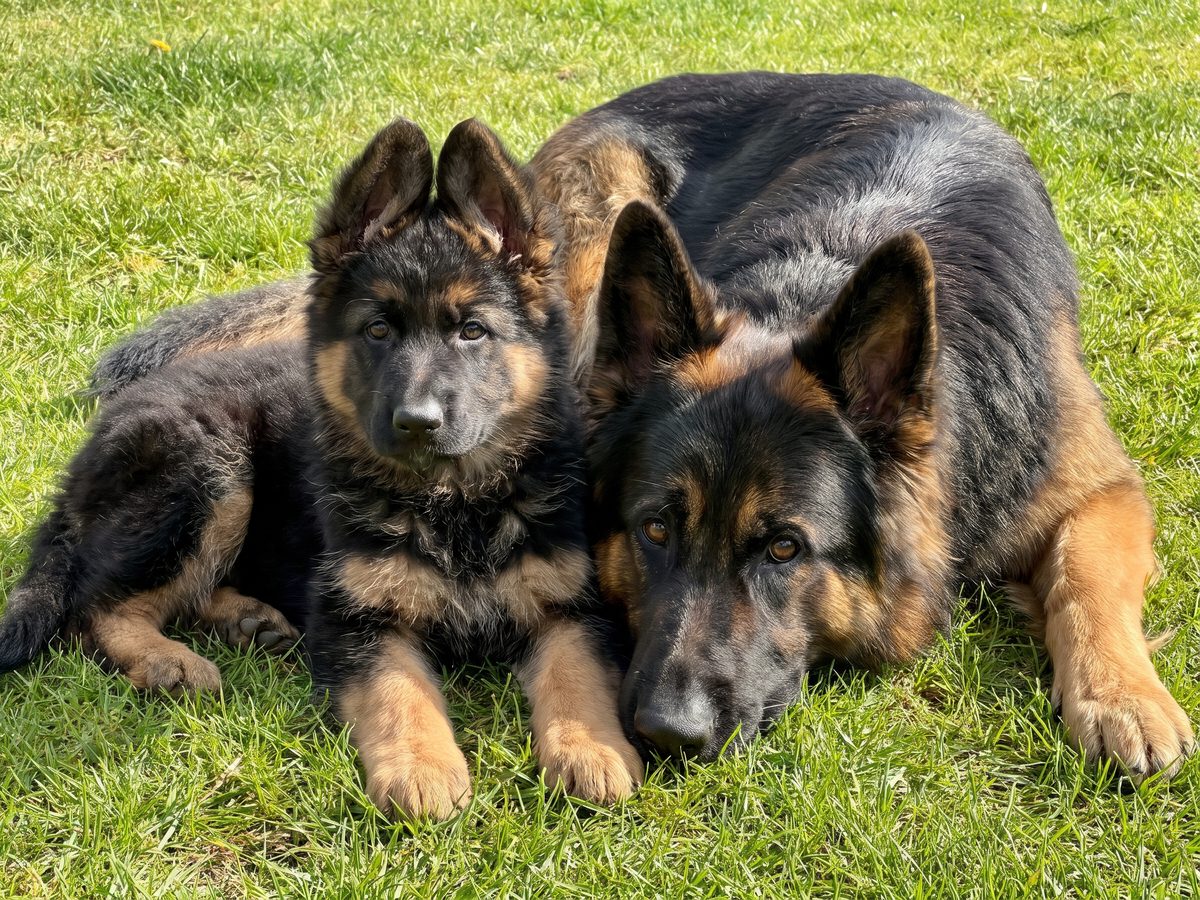
German Shepherds are loyal, confident and keen to work with their people. They do best with an owner who enjoys training and wants a dog involved in daily life, whether that's hiking, dog sports or simply learning new tricks in the kitchen.
They are a harder fit for long days alone, for people who want a low-effort companion, or for a home with no time to socialize a puppy. A bored Shepherd will invent its own job, and you may not like the one it picks.
The Working Mind
The breed was developed for herding and later for police, guarding and service work. Many Shepherds can run for miles and still be restless at home, because their brain hasn't had its turn.
- Training sessions: short and daily, using rewards.
- Scent work: hide treats or a toy and let your dog search.
- Puzzle feeders turn a meal into a job.
Early socialization matters a lot. Watchfulness is part of the breed, so help your puppy meet many calm people, dogs and places. If guarding, worry or reactivity start to show, get help early from a qualified trainer or behaviorist; see when to hire a trainer or behaviorist.
Exercise and Training
The Royal Kennel Club suggests more than two hours of exercise a day for an adult. Mix walking, free running in safe places, fetch and training. For a puppy, ask your vet or breeder how much suits its age, and avoid lots of repeated jumping on hard ground while it grows.
Shepherds learn fast, which works both ways: they pick up bad habits as quickly as good ones. Reward the behavior you want, keep sessions short, and work on loose-leash walking early, before your puppy weighs as much as you'd like to carry.
The Double Coat
Both coat types have a dense undercoat that sheds heavily, especially in spring and fall (autumn). An undercoat rake once or twice a week during those weeks pulls out loose fur before it reaches the sofa, and a slicker brush keeps things tidy the rest of the year. Don't shave a double coat; it is part of how the dog stays comfortable. See grooming double-coated dogs.
Feeding by Life Stage
- Puppy: a complete large-breed puppy food, which controls calories and calcium so growth is steady. Weigh portions and keep the puppy lean rather than round.
- Adult: large breeds often move to adult food later than small breeds; ask your vet when. Match portions to activity.
- Senior: many older dogs need fewer calories. Ask your vet at each check-up.
Grain-free isn't needed for this breed. Pick a complete and balanced food for the life stage. Our puppy, adult and senior food guide has more.
Gear That Fits a German Shepherd
Each button opens a search in your own country's Amazon store. As an Amazon Associate we earn from qualifying purchases.
Start with a complete large-breed puppy food. An undercoat rake and a slicker brush handle the shedding. A puzzle feeder gives the brain a job at mealtimes, a long line helps with recall practice, and a large, supportive bed gives a big dog somewhere comfortable to settle.
Health: What to Ask the Breeder and Your Vet
In the UK, The Royal Kennel Club lists hip and elbow scoring as good practice for breeders, and a DNA test for degenerative myelopathy and eye testing as best practice. In the US, ask for hip and elbow evaluations from the OFA or PennHIP. Ask to see results for both parents.
Keep your dog lean, book a check-up soon after it comes home, and ask your vet about vaccinations, neutering timing for a large breed, and a parasite prevention plan for where you live.
Worming, flea and tick products and joint supplements: see your vet or a pet supply store with trained staff. They can tell you what suits your dog.
Finding a Puppy or a Rescue
Meet the puppy with its mother, check the parents' health results, and ask about temperament in the line. Working-line and show-line dogs can differ in drive and energy, so ask the breeder which suits your life. Shepherds also come into rescues, including breed rescues. Some landlords and insurers restrict large guarding breeds, and rules differ by country: in Ireland, for example, German Shepherds are on the restricted breeds list and must be muzzled and on a short leash in public. Check your local rules before you commit. Our rescue vs breeder guide covers both routes.
Frequently Asked Questions
Clever dog, lots of questions.
Are German Shepherds good family dogs?
Often, yes, with early socialization, training and supervision around children. They tend to be devoted to their own family and watchful with strangers.
Do German Shepherds shed a lot?
Yes. The double coat sheds all year and heavily in spring and fall. Regular brushing with an undercoat rake keeps it under control.
Can a German Shepherd live in an apartment?
It can work if the dog gets plenty of exercise and training every day, but a big, busy dog in a small space needs a committed owner. A yard or garden helps but doesn't replace walks.
When should a German Shepherd puppy switch to adult food?
Large breeds usually switch later than small ones. Ask your vet, who can judge from your puppy's growth and body condition.
Can diet alone prevent hip problems?
No. Genes play a big part, which is why parents' hip and elbow scores matter. Steady growth on a large-breed puppy food and a lean body help.
Can German Shepherds be left alone?
For short periods, once they've learned to settle. Long days alone don't suit this sociable working breed; plan for a dog walker or daycare if you work long hours.
Related Reading
- Grooming double-coated dogs: rakes, brushes and blowouts.
- Dog enrichment ideas: brain games for working breeds.
- Dog training supplies: lines, pouches and clickers.
Breed traits are tendencies, not promises for the dog in front of you. If your Shepherd is limping, slow to get up, or its behavior changes suddenly, talk to your vet.