Modern Horse Worming: Test First, Then Ask Your Vet
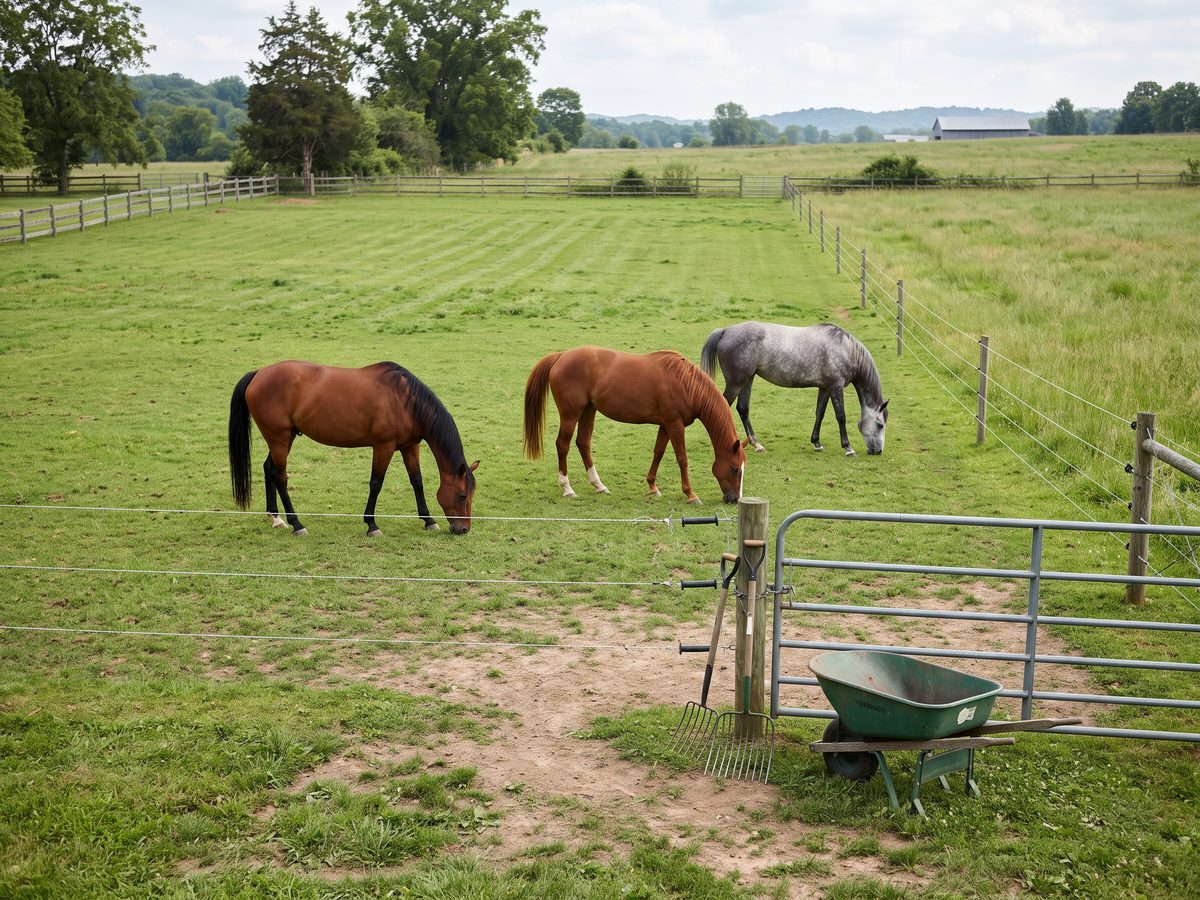
Worming and other medicines: see your vet or a pet supply store with trained staff. They can tell you what suits your horse, your grazing and where you live.
Why the Calendar Approach Faded
For decades, many owners wormed every horse on a fixed timetable, every few months, whatever the horse's actual worm burden. It felt tidy and safe.
The catch is that horses on the same field can carry very different numbers of worms. Treating them all the same way means some get products they don't need, and that repeated use helps worms that survive treatment to spread. Vets now describe this as resistance, and it is the main reason equine vets' groups such as the American Association of Equine Practitioners (AAEP) recommend testing-led plans.
What a Fecal Egg Count Tells You
A fecal egg count (FEC) is a lab count of worm eggs in a fresh dung sample. Your vet, or a lab your vet works with, uses the result to sort horses into low, moderate and high shedders.
- It is a snapshot. One count tells you about that horse at that time of year, so plans usually repeat counts through the grazing season.
- A low count is not a zero. It means that horse is passing few eggs right now, not that it is worm-free.
- Some worms don't show up well. Not every type of worm shows in a routine egg count, which is one more reason your vet reads the results alongside the season and your horse's history.
Ask your vet how to collect and post a sample. Fresh droppings, a clean pot and a quick trip to the lab make the result more useful.
Building a Worming Plan With Your Vet
A worming plan is local. Climate, how many horses share the grazing, how old they are and how the pasture is managed all change the answer. That is why this page gives no schedule and names no products: your vet, or trained staff where you buy animal health products, can tell you what fits your horse and your country's rules.
Most plans combine three things:
- Regular egg counts through the grazing season, on dates your vet suggests.
- Targeted treatment for the horses that need it, chosen by your vet.
- A check that treatment worked, sometimes with a second count afterward.
Weight matters to your vet's advice too, so keep a record. A weigh tape gives a useful estimate between vet visits; see our body condition scoring guide.
Pasture Habits That Cut Worm Burdens
Good grazing management is the part of worming you can do every day without a prescription pad in sight.
- Pick up droppings from paddocks often, ideally at least twice a week. Many yards do it daily.
- Avoid overstocking. Crowded, overgrazed fields concentrate worm larvae on the grass horses eat.
- Rest and rotate paddocks where you have the space, and ask your vet whether cross-grazing with sheep or cattle is useful where you live.
- Test new arrivals. Many yards ask for an egg count, and keep a new horse apart, before it joins the shared grazing. Your vet can advise.
More on keeping grass healthy is in our grazing and pasture management guide.
Tools for a Testing-Led Plan
Each button opens a search in your own country's Amazon store. As an Amazon Associate we earn from qualifying purchases.
A fecal egg count kit makes posting samples to a lab easy. A manure fork and a muck tub or wheelbarrow turn poo-picking into a quick habit, and a paddock vacuum or harrow helps on bigger fields. A weigh tape keeps a running record of weight for your vet, and disposable gloves keep sample collection clean.
Keep Records, and Mind the Passport
Note every egg count result, every treatment your vet advises, and the date. A simple notebook or phone note helps your vet spot patterns over several seasons.
In the UK and the EU, a horse's passport records whether it may enter the human food chain, and that affects which medicines a vet can use and what must be recorded. Rules differ by country, so ask your vet what applies to your horse. Our horse passports and microchips guide explains the paperwork.
Frequently Asked Questions
Testing, timing and the poo-picking rota come up the most.
Does testing first mean my horse never needs worming?
No. It means treatment is aimed at the horses and the times of year where your vet thinks it is needed, guided by test results, instead of every horse on a fixed timetable.
How often should I do a fecal egg count?
It depends on your horse, your grazing and your climate, so ask your vet. Many plans test a few times through the grazing season.
Why do horses on the same field get different results?
Horses differ in how many worm eggs they pass, even when they share the same grass. That is the main reason a test on each horse is more useful than treating them all the same way.
Can I buy worming products online?
Rules on who may sell them, and how, differ by country. Talk to your vet or trained staff at an animal health supplier before you buy anything, so you get the right product for your horse.
How often should I pick up droppings?
At least twice a week is a common target, and daily is better on small or busy paddocks. It is one of the most effective things you can do about worms.
Should a new horse be tested before it joins the herd?
Many yards ask for it, and keep the newcomer apart for a while first. Ask your vet what they suggest for your yard.
Related Reading
- Grazing and pasture management: resting, rotating and topping fields.
- Horse health and hoof care: the preventive-care routine and the kit for it.
- Horse passports and microchips: the paperwork that travels with your horse.
This page explains how worming decisions are made today. It is not a plan for your horse: your vet, who knows your horse and your land, is the right person to set one.