Why Horses Need Company, and How to Choose a Companion
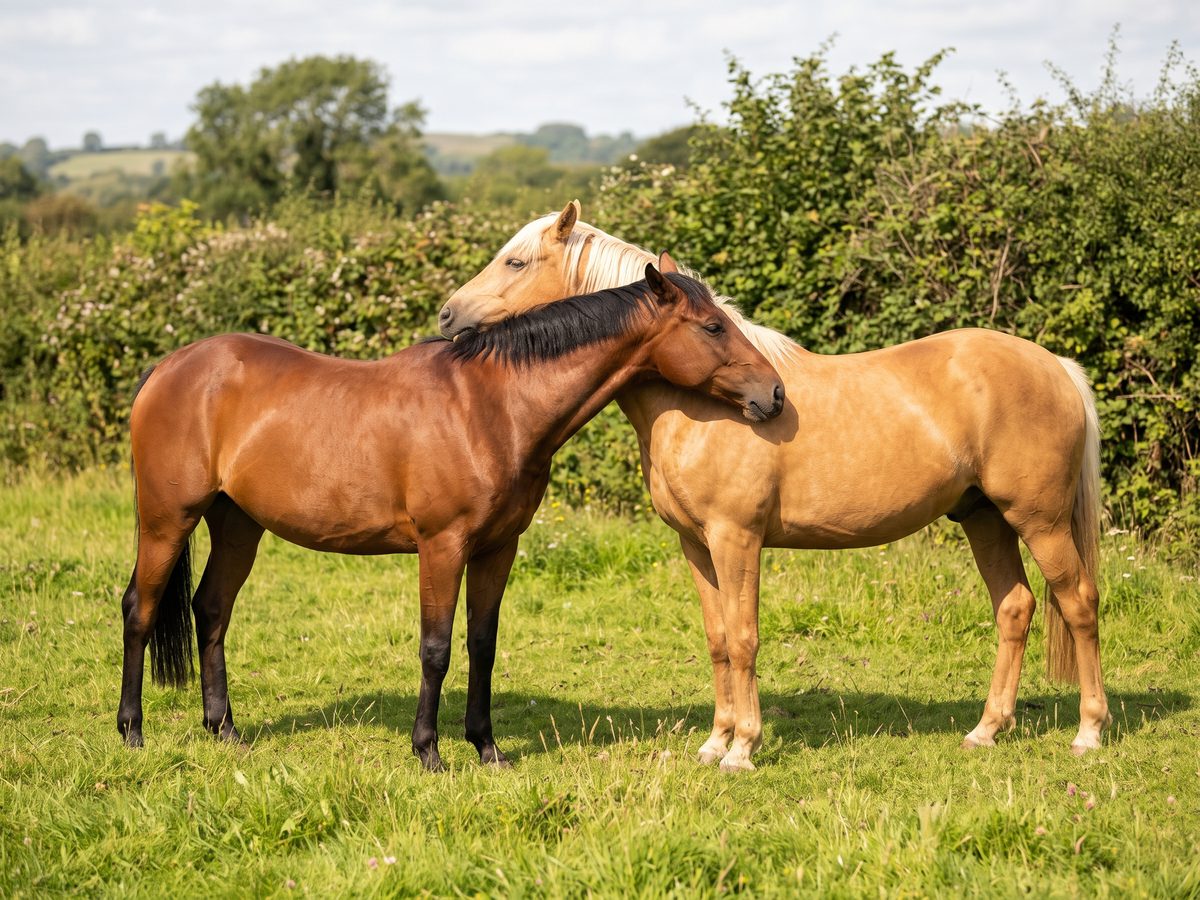
Herd Animals at Heart
Horses evolved as prey animals that live in groups. In a herd, some can rest while others keep watch, and they groom each other, play and share shade and shelter. That instinct doesn't switch off in a paddock.
Welfare codes reflect this. The Defra code of practice for horses, ponies and donkeys in England has a whole section on companionship, and the Victorian code of practice in Australia says horses form social bonds and should not be kept in isolation.
A lonely horse may be restless, call a lot, pace the fence or find it hard to settle and lie down to rest. It isn't being naughty: it is missing the company it is built for.
Who Makes a Good Companion?
- Another horse or pony is the best choice for most horses, ideally of similar size and temperament.
- A donkey can be a good friend for a horse, but donkeys need different grazing and, ideally, a donkey friend of their own. See donkeys and miniature donkeys.
- A small pony as a companion still needs proper care: native ponies gain weight easily on horse grazing.
- Sheep, goats or other animals are sometimes kept with horses, but they don't replace equine company.
Companion horses that can no longer be ridden often need homes, and rescue and rehoming charities can help match one to your horse.
Introducing a New Horse
- Keep the newcomer apart for a while first. Many yards ask for this, and your vet can advise on vaccinations and worm testing before it joins the herd.
- Start over a safe fence, with a gap or double fence so they can see and smell each other without kicking range.
- Turn out with one calm horse first, in a large, safe field without corners to get trapped in.
- Add the rest of the group gradually, and watch closely for the first few sessions.
- Remove hind shoes if your farrier and vet suggest it, to reduce injury risk during settling-in squabbles.
Some squealing and posturing is normal as horses sort out who's who. Persistent bullying, chasing or kicking isn't, and you may need to change the group.
Vaccinations, worm testing and any treatments for a new arrival: see your vet or a pet supply store with trained staff. Your vet can advise how long to keep a newcomer apart.
Company in the Stable
Stabled horses settle better when they can see their neighbors. Stables with a view of other horses, grilles that allow nose-to-nose contact, and turnout with friends every day all help. A horse that has to stay in for a while for health reasons may cope better with a calm companion stabled next door. A safe stable mirror can help some horses, but it is no substitute for a real friend.
Making Shared Life Easier
Each button opens a search in your own country's Amazon store. As an Amazon Associate we earn from qualifying purchases.
Electric fencing lets you set up a safe "getting to know you" fence line. A large haynet or two spread around the field cut squabbles over food. A shatterproof stable mirror can comfort a horse that must stay in, and a stable toy or treat ball helps pass the time. Turnout boots protect legs while a new group settles.
When a Companion Leaves
Horses notice when a field mate goes, whether it is sold, moves yard or is gone for good. Plan ahead so the horse left behind isn't suddenly alone: a new companion, a move to a yard with other horses, or a loan companion. Ask your vet or a horse welfare charity for advice if your horse seems unsettled.
Frequently Asked Questions
One horse or two? Usually two.
Can a horse live alone?
It shouldn't. Horses are herd animals and do best with other equines they can see, touch and graze with. Welfare codes in several countries say horses need company.
Is a donkey a good companion for a horse?
Often, if they get on. But donkeys need less rich grazing than most horses and ideally a donkey friend too, so plan for their needs as well.
Can a goat or sheep keep my horse company?
Some horses enjoy their company, but other species don't replace equine friends. Aim for at least one other horse, pony or donkey.
How do I introduce a new horse to my herd?
Keep it apart for a while as your vet advises, introduce it over a safe fence, then turn out with one calm horse before adding others. Watch closely for the first few days.
Where can I find a companion horse?
Rescue and rehoming charities often have companion horses and ponies that can't be ridden, and some owners loan out companions. Ask your vet or a local yard too.
Related Reading
- Should you own a horse?: why two is the real starting number.
- Grazing and pasture management: land for more than one.
- Stabling, turnout and field shelters: daily life with friends.
If your horse seems unsettled, stops eating or can't rest after a change in its herd, talk to your vet.