Arabian Horse: Size, Temperament and Care
Who an Arabian Suits
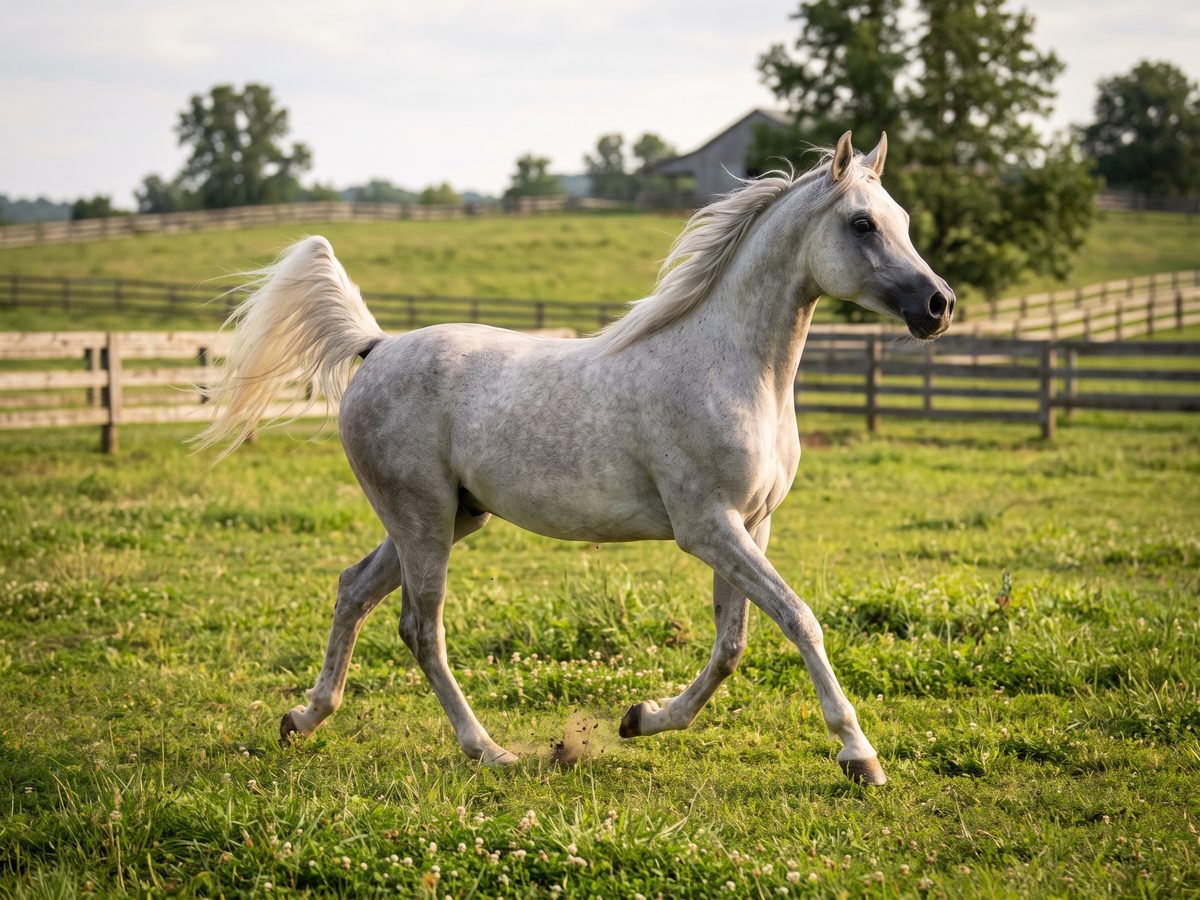
Arabians suit riders who enjoy a clever, forward horse with a strong bond to its person. They are known for stamina, which is why they are so successful in endurance riding, and they are popular in showing.
Their sensitivity means they respond badly to rough or inconsistent handling, and some are a lot of horse for a nervous rider. Despite their size, most Arabians are horses, not ponies, and many carry adults well.
An Ancient Desert Breed
The Arabian developed in the Arabian Peninsula, bred by Bedouin people for endurance, courage and closeness to humans. Arabian blood helped shape many other breeds, including the Thoroughbred.
National Arabian horse societies around the world keep stud books, such as the Arabian Horse Association in the US and the Arab Horse Society in the UK.
Feeding and Grazing
Arabians vary: some hold weight easily, while others, especially in hard work, cold weather or old age, need more energy than forage alone provides. Start with plenty of good forage, weighed so you know what is being eaten, and add a balancer or a high-fiber feed only as needed. Ask your vet or an equine nutritionist before making big changes.
Hooves, Teeth, Coat and Weather
Pick out feet daily and book the farrier every few weeks, and a dental check at least once a year. See hoof care and the farrier and teeth and dental care.
Arabians often have fine coats and skin. A field shelter and, in cold, wet weather, a well-fitted blanket (rug) help many through winter.
Gear for an Arabian
Each button opens a search in your own country's Amazon store. As an Amazon Associate we earn from qualifying purchases.
Arabians often have small, fine heads, so try cob or Arab sizes in headcollars and bridles. A slow-feed haynet keeps forage in front of a busy mind, and a weigh tape tracks condition. A turnout sheet or lightweight blanket suits a fine coat in wet weather.
Company, Space and Handling
Arabians need company, daily turnout and things to think about. A bored Arabian is an inventive one. See why horses need company.
Health: Preventive Care
Book a check-up soon after your horse arrives, and ask your vet about vaccinations and a worming plan guided by fecal egg counts. Plan for the farrier every few weeks and a dental check at least once a year. Score body condition every few weeks, by hand: weight creeps on quietly, especially on spring grass.
Worming, vaccinations and any medicines: see your vet or a pet supply store with trained staff. They can tell you what suits your horse and where you live.
Buying, Loaning or Rescuing
Breed society members, breeders and rehoming charities are good places to start. Ask about the horse's handling and ridden experience, have a vet do a pre-purchase examination, and check the passport and stud book papers. See buying a horse.
Frequently Asked Questions
Size, spirit and stamina.
Is an Arabian a horse or a pony?
A horse. Although many stand under 15 hands (152 cm), Arabians are classed as horses and carry adults well.
Are Arabians hard to handle?
They are sensitive and intelligent, so they respond best to calm, consistent handling. Rough or inconsistent handling brings out the worst in them.
Why are Arabians good at endurance riding?
They are known for stamina and toughness, which is why they are so popular in endurance competition.
Do Arabians need blankets?
Many have fine coats and benefit from shelter and a blanket in cold, wet weather. Check under it daily.
How tall is an Arabian horse?
Usually about 14.1 to 15.1 hands (145 to 155 cm).
Related Reading
- Thoroughbred: a breed shaped partly by Arabian blood.
- Andalusian and Lusitano: the classical Iberian horses.
- Why horses need company: herd life for sensitive horses.
Breed traits are tendencies, not promises for the horse in front of you. If anything about your horse's health or behavior worries you, call your vet.