Warmblood Horses: Sport Horses Explained
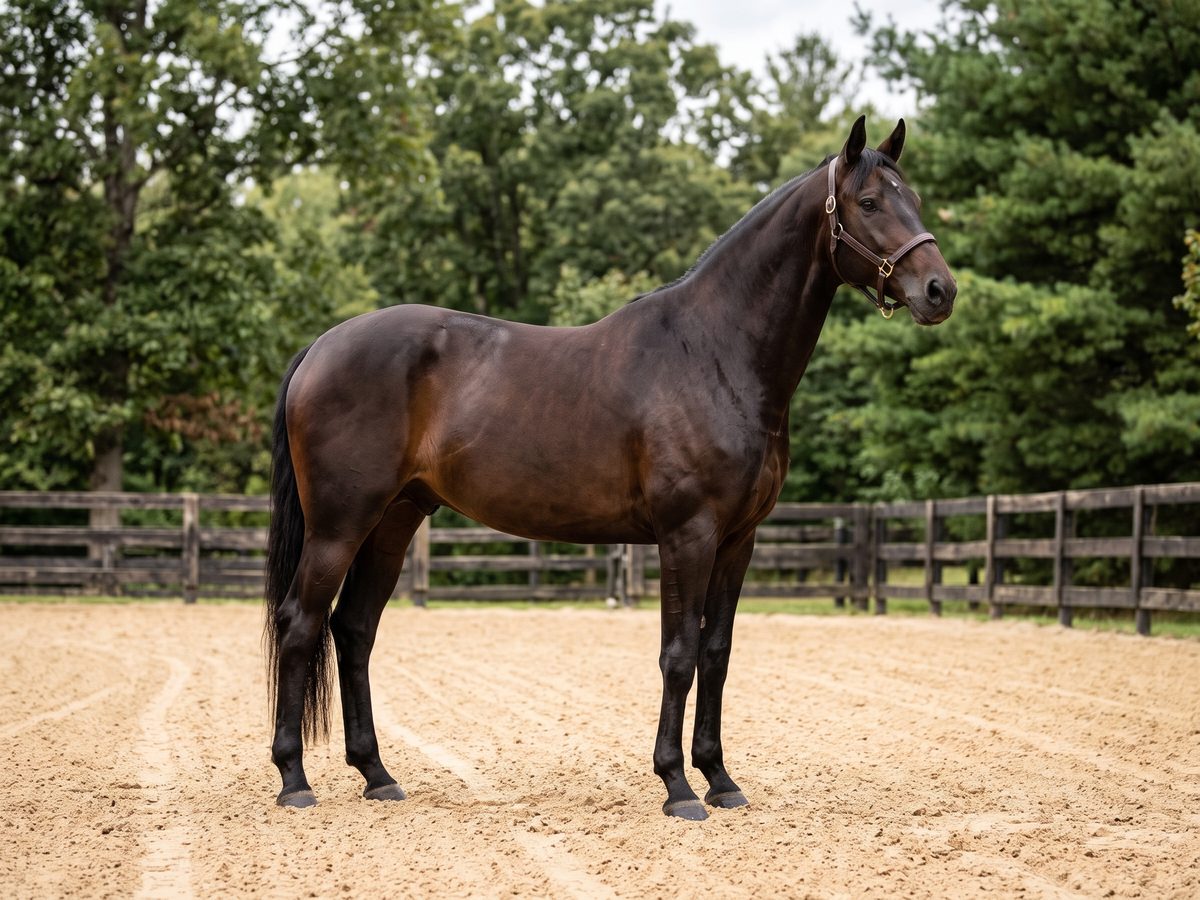
Who a Warmblood Suits
Warmbloods suit riders aiming at dressage, show jumping or eventing, and riders who want a big, trainable horse for riding club. Many have a calm, workmanlike temperament.
They are a big commitment: large horses need large stables, trailers, blankets and saddles, and young warmbloods mature slowly and need skilled training.
Studbooks, Not One Breed
Warmbloods developed in Europe by crossing heavier farm and carriage horses with Thoroughbreds and Arabians, then selecting for riding ability. Each studbook sets its own rules, and breeding stock is inspected (graded) and often performance-tested before it can breed.
Because studbooks accept horses from related books, a warmblood's papers tell you its studbook, not necessarily a single breed.
Feeding and Grazing
Warmbloods vary: some hold weight easily, while others, especially in hard work, cold weather or old age, need more energy than forage alone provides. Start with plenty of good forage, weighed so you know what is being eaten, and add a balancer or a high-fiber feed only as needed. Ask your vet or an equine nutritionist before making big changes.
Hooves, Teeth, Coat and Weather
Pick out feet daily and book the farrier every few weeks, and a dental check at least once a year. See hoof care and the farrier and teeth and dental care.
A clipped horse in regular work will need a blanket (rug) in cold weather, and big horses need big blankets: measure before you buy.
Gear for a Warmblood
Each button opens a search in your own country's Amazon store. As an Amazon Associate we earn from qualifying purchases.
Big horses need full or extra-full sizes in headcollars, bridles and blankets, and a large slow-feed haynet. A weigh tape helps watch weight. Brushing boots and overreach boots protect legs in jumping and schooling, and a heavyweight turnout suits a clipped horse in hard cold.
Company, Space and Handling
Warmbloods need company, daily turnout and a stable sized for a big horse: the British Horse Society's minimum for horses over 17 hands (68 inches, 173 cm) is 12 × 14 ft (3.65 × 4.25 m). See stabling and field shelters.
Health: Preventive Care
Book a check-up soon after your horse arrives, and ask your vet about vaccinations and a worming plan guided by fecal egg counts. Plan for the farrier every few weeks and a dental check at least once a year. Score body condition every few weeks, by hand: weight creeps on quietly, especially on spring grass.
Worming, vaccinations and any medicines: see your vet or a pet supply store with trained staff. They can tell you what suits your horse and where you live.
Buying, Loaning or Rescuing
Studbook breeders, sales and professional sellers are the usual routes; rehoming charities sometimes have warmbloods too. Have a vet do a pre-purchase examination (X-rays are often added for sport horses), check the passport and studbook papers, and match the horse's training to your riding. See buying a horse.
Frequently Asked Questions
Studbooks, size and sport.
Is warmblood a breed?
Not exactly. It is a family of sport-horse studbooks, such as Hanoverian, Holsteiner and KWPN, each with its own rules.
Are warmbloods good for amateurs?
Many are, especially older, well-trained horses. Young warmbloods are big and slow to mature, so they need skilled training.
How big are warmbloods?
They vary, but many stand 16 hands (163 cm) or more.
What does graded mean?
Breeding stock has been inspected, and often performance-tested, by the studbook and approved for breeding.
Do warmbloods need special feeding?
They need forage first like any horse; some need more energy in hard work. Plan with your vet or a nutritionist.
Related Reading
- Thoroughbred: the hot-blooded ingredient in many warmbloods.
- Irish Draught: another sport-horse foundation breed.
- Stabling and field shelters: space for a big horse.
Breed traits are tendencies, not promises for the horse in front of you. If anything about your horse's health or behavior worries you, call your vet.