Cobs and Gypsy Cobs: Type, Temperament and Care
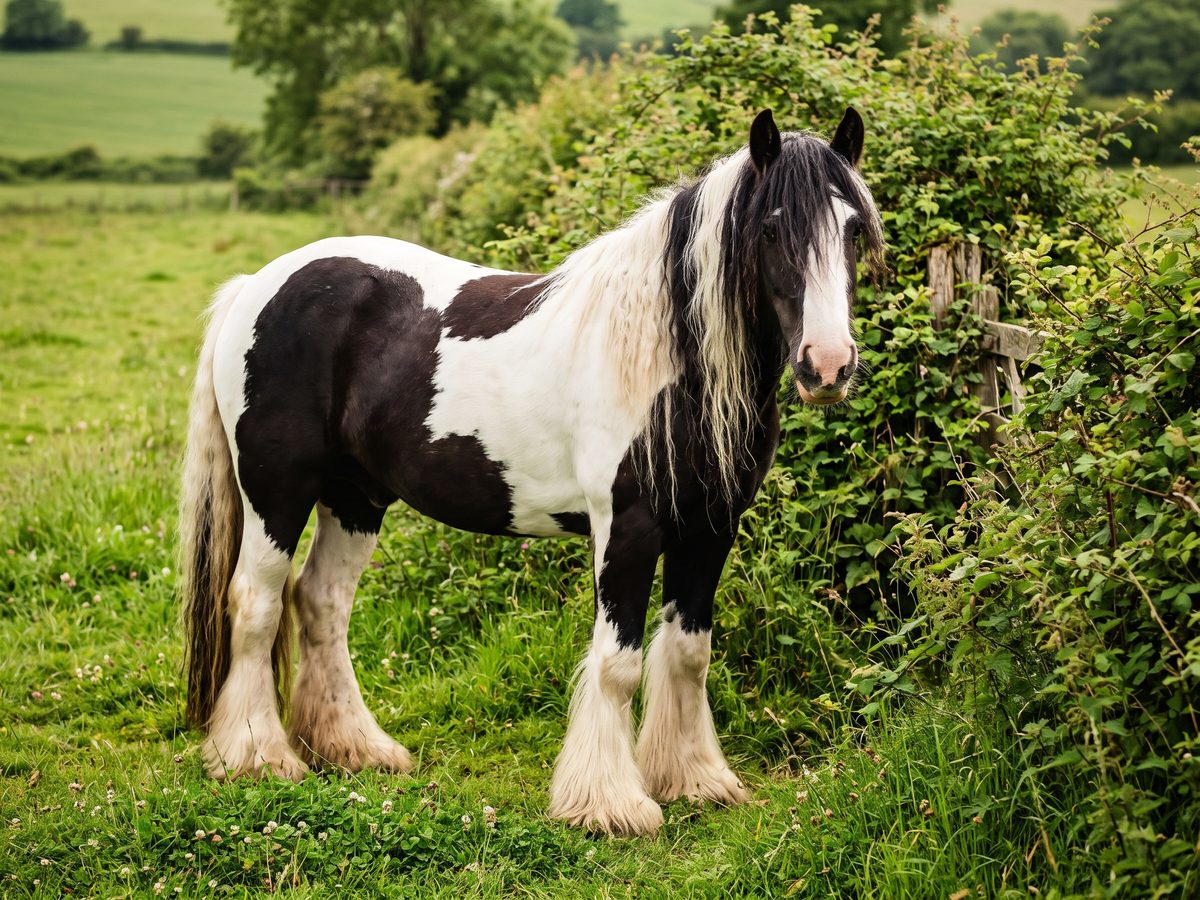
Who a Cob Suits
Cobs suit adults, including heavier and less confident riders, who want a steady horse for hacking, riding club and driving. Many are calm in traffic and easy to handle, though every horse is an individual.
They are a harder fit if you want a fast, light horse for top-level competition, or if you have rich grazing and no way to limit it.
A Type With Many Roots
"Cob" describes a build found in many backgrounds, from heavy-boned riding horses to crossbreds of native ponies and draft horses. In the UK, show cob classes have their own height limit, and a "maxi cob" is a cob over 15.1 hands (155 cm).
The traditional Gypsy cob was bred by Romany and Irish Traveller communities as a strong, calm horse to pull a living wagon. It is now registered by several societies, including the Gypsy Vanner Horse Society in the US, which recognize it as a breed. Registries generally don't restrict color.
Feeding and Grazing
Cobs are often good-doers that keep weight easily on forage alone. On rich grass, extra weight raises the risk of laminitis, so ask your vet whether grazing should be limited, especially in spring. Base the diet on weighed hay and sensible grazing, with a balancer or mineral lick for vitamins and minerals.
Hooves, Teeth, Coat and Weather
Feather looks wonderful and needs attention. Keep it clean and dry, brush or wash out mud, and check the skin underneath at every grooming. If the skin on the lower legs looks sore, scabby or swollen, ask your vet.
Cobs usually have tough feet; pick them out daily and book the farrier every few weeks. Book a dental check at least once a year. Many cobs live out with a good shelter; clipped or older ones may need a blanket (rug).
Gear for a Cob
Each button opens a search in your own country's Amazon store. As an Amazon Associate we earn from qualifying purchases.
Cobs need cob or wide sizes in headcollars, bridles and blankets, so measure before you buy. A slow-feed haynet and weigh tape help keep weight in check, and a grazing muzzle can help on lush grass if your vet suggests one. A stiff dandy brush and a mane and tail detangler cope with feather and a thick mane.
Company, Space and Handling
Cobs need company and daily turnout, ideally on grazing that won't overfeed them, or a track system. See grazing and pasture management and why horses need company.
Health: Preventive Care
Book a check-up soon after your cob arrives, and ask your vet about vaccinations and a worming plan guided by fecal egg counts. Plan for the farrier every few weeks and a dental check at least once a year. Score body condition every few weeks, by hand: weight creeps on quietly, especially on spring grass.
Worming, vaccinations and any medicines: see your vet or a pet supply store with trained staff. They can tell you what suits your cob and where you live.
Buying, Loaning or Rescuing
Cobs are popular, and rehoming charities often have them. If you buy, see the horse ridden in traffic, check the feather and legs, have a vet do a pre-purchase examination and check the passport. See buying a horse.
Frequently Asked Questions
Cob type, feather and weight.
Is a cob a breed?
"Cob" is mainly a type: a short-legged, stocky, strong horse. The traditional Gypsy cob, or Gypsy Vanner, is registered as a breed by its own societies.
Can a heavy adult ride a cob?
Cobs are strong for their size and carry adults well, but the right match depends on the individual horse's build, fitness and soundness. Ask your instructor or vet.
How do I look after a cob's feather?
Keep it clean and dry, brush or wash out mud, and check the skin underneath every time you groom. Ask your vet about any sore or scabby skin.
Do cobs get fat easily?
Many do. Weigh hay, limit rich grass if your vet advises, and score body condition every few weeks.
How tall is a cob?
Commonly around 14 to 15.2 hands (142 to 157 cm). In UK showing, a cob is up to 15.1 hands (155 cm), with larger "maxi cobs" above that.
Related Reading
- Irish Draught: a bigger, bone-heavy riding horse.
- Shire and Clydesdale: the feathered heavyweights.
- Horse grooming: brushes for feather and thick manes.
Breed traits are tendencies, not promises for the cob in front of you. If anything about your cob's health or behavior worries you, call your vet.