Exotic Shorthair Cats: Personality, Care and What to Expect
Who an Exotic Shorthair Suits
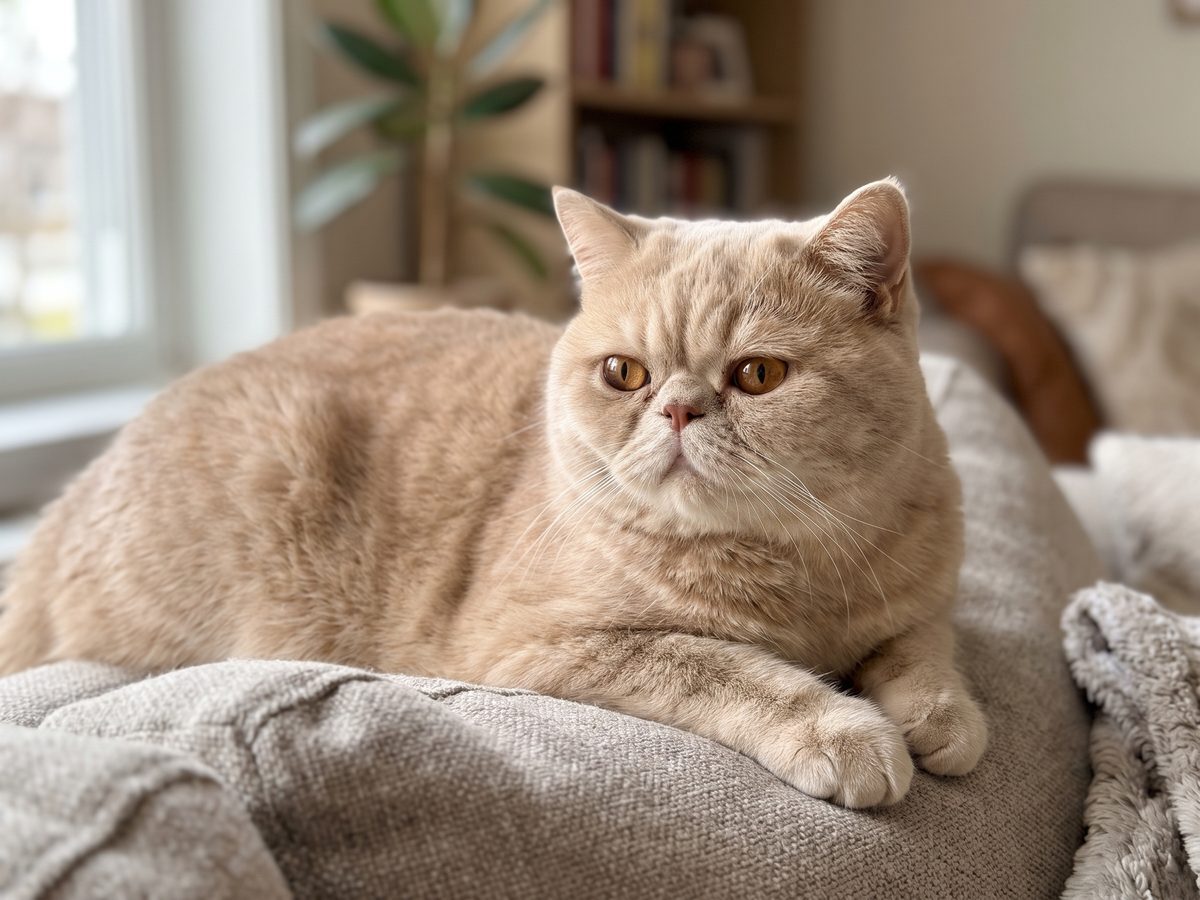
Exotics suit people who want a calm, cuddly companion that is content indoors and doesn't need the daily combing a Persian does. They usually like company and a quiet routine, and many are more playful than their sleepy look suggests.
They are less suited to a home that wants an athletic, adventurous cat, and anyone choosing one should be ready for daily face care and to ask a breeder hard questions about the flat face. Breed traits are tendencies; every cat is an individual.
A Persian in a Short Coat
The breed began in the United States in the late 1950s and 1960s, when breeders crossed Persians with American Shorthairs. The US Cat Fanciers' Association recognized it in 1966, and today the Persian is the only permitted outcross, so Exotics share the Persian's round head, short nose and sturdy body. Because of that Persian ancestry, an occasional long-haired kitten turns up in Exotic litters.
Personality and Play
Exotics are typically gentle, affectionate and easygoing, happy to follow you from room to room and settle nearby. They tend to play in short bursts, so a few brief daily sessions with a wand toy suit them well. Our play guide shows how to finish each session with a catch.
Coat and Face Care
The dense, plush coat is much easier than a Persian's: a metal comb through it twice a week, more during spring and fall sheds, keeps it tidy. Our grooming guide covers the tools.
The face needs daily attention. Tears often run onto the fur below the eyes, and the skin folds around the nose can trap moisture. Wipe gently with a soft damp cloth every day, using a fresh section for each eye. Increased tearing, discharge, squinting or noisy breathing are reasons to see your vet.
Home Setup: Indoors, Outdoors and Climbing
Most Exotics are happy indoor cats, and many owners keep them indoors or give them a catio, because flat-faced cats can struggle in hot weather. Keep them cool in summer and avoid exercise in the heat. Wide, shallow bowls make eating easier for a short face. Low perches and steps suit a breed that is more lounger than leaper. See our indoor or outdoor guide for the wider picture.
Gear for an Exotic Shorthair
Each button opens a search in your own country's Amazon store. As an Amazon Associate we earn from qualifying purchases.
A flat plate or wide, shallow bowl helps a short face eat comfortably. A metal comb and soft cloths cover the coat and daily face wipe. A cooling mat helps in hot weather, and a cozy bed and low window perch suit this calm breed.
Health: What to Discuss With Your Vet and Breeder
Any eye, skin or breathing treatments: see your vet or a pet supply store with trained staff. Use only what your vet recommends.
The Exotic's very flat (brachycephalic) face is a welfare concern. Welfare groups say extreme flat faces can narrow the nostrils and airways and cause eye, tear and dental problems, and difficult births in breeding cats. Look for kittens with visible open nostrils and a less extreme face, and ask your vet to check breathing, eyes and teeth at every visit.
Polycystic kidney disease (PKD), inherited from Persian lines, was common in the breed in the past, and a DNA test is available. Ask any breeder for PKD test results for both parents. Your vet can advise on other checks.
Finding a Kitten or an Adult Cat
Choose a breeder who health-tests (PKD at minimum), lets you meet the mother, and can talk openly about breathing and eyes. Persian and Exotic rescues also rehome adults, which is a good way to meet a cat whose personality and face are already known. Our rescue or breeder guide compares the routes.
Frequently Asked Questions
What prospective Exotic owners ask most.
Is an Exotic Shorthair a lap cat?
Many are affectionate and like to be close, and some love laps. They tend to be calm companions, though each cat is an individual.
How much grooming does an Exotic need?
A comb through the coat about twice a week, more in shedding seasons, plus a gentle daily wipe around the eyes and nose.
Can an Exotic Shorthair be left alone during the day?
Most cope well with ordinary working hours if they have company in the evenings, toys and a comfortable spot. Some owners keep two cats for company.
Are Exotics good with children and dogs?
Their calm nature often suits families with gentle children, and many live happily with cat-friendly dogs after a slow introduction.
Are Exotic Shorthairs hypoallergenic?
No cat is hypoallergenic. Some people with allergies react less to some cats, and the only test is spending time with the actual cat.
Do flat-faced cats have health problems?
Very flat faces can affect breathing, eyes and teeth. Choose a breeder who favors a more moderate face and ask your vet to check these at every visit.
Related Reading
- Persian cat care: the long-haired relative.
- British Shorthair: another calm, plush-coated breed.
- Cat health basics: preventive care for any cat.
Breed traits are tendencies, not promises. Book a check-up soon after your Exotic comes home, and ask your vet about breathing, eyes, teeth and kidney screening.