African Pygmy Hedgehogs as Pets: Should You Get One?
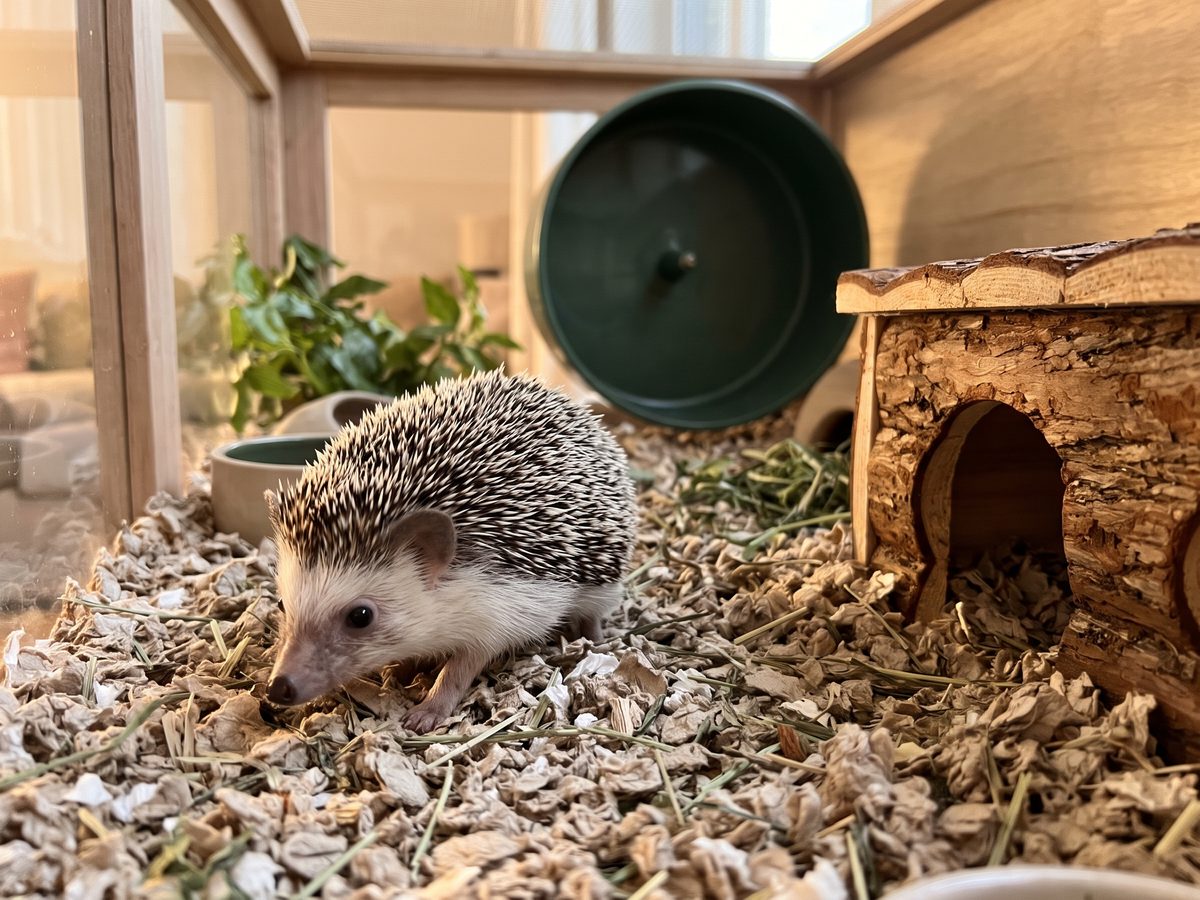
Why the Answer Is Often No
- Nocturnal: they sleep through the day and wake up when you go to bed. A wheel at 2 a.m. can be loud.
- Solitary: they live alone and don't need you for company. Many never become cuddly.
- Defensive: a nervous hedgehog raises its spines and huffs. Patient daily handling helps, but some stay prickly.
- Warmth: they need steady warmth all year, which usually means a thermostat-controlled heater and power running all the time.
- Vet care: you'll need a vet who sees exotic small mammals.
Nocturnal and Solitary by Design
In the wild, African pygmy hedgehogs forage alone at night for insects. Veterinary guidance is clear: house them one per enclosure. Two adults together can fight, and a male and female will breed. They're best watched in the evening, when they wake up and explore.
Warmth: A Narrow Window
Keep the enclosure at about 75–85°F (24–29°C). Cooler or hotter temperatures can push a hedgehog into torpor, a sluggish hibernation-like state that pet hedgehogs don't cope with well. If your hedgehog is cold to the touch or unusually sluggish, warm the room gently and call a vet.
Use a ceramic heat emitter or similar heat source on a thermostat, never an unregulated heat lamp, and check with a thermometer at hedgehog level. A regular day and night light cycle helps them keep a normal routine. These are typical ranges from veterinary guidance; check with your vet or a specialist keeper.
Housing and Exercise
University vet guidance gives 2 × 3 feet (60 × 90 cm) of floor as a minimum, and bigger is better. Smooth sides stop climbing and falls.
- A solid wheel, never wire or rungs, which can break legs. Choose one big enough that the back stays straight when running.
- A hide to sleep in, plus fleece liners or a dust-free paper bedding.
- Places to forage: scatter some food or insects so the hedgehog has to search.
If You've Decided a Hedgehog Is Right for You
Each button opens a search in your own country's Amazon store. As an Amazon Associate we earn from qualifying purchases.
A large enclosure with smooth sides is the base. A solid-surface wheel is essential. A ceramic heat emitter on a thermostat holds the temperature steady, and a digital thermometer at floor level confirms it. A hide, fleece liners and a hedgehog or insectivore diet cover sleeping and feeding.
Diet
Feed a commercial hedgehog or insectivore diet as the main food, with live insects such as mealworms and crickets as extras. Small amounts of fruit and vegetables can be offered as treats. Pet hedgehogs gain weight easily, so measure food and keep them busy foraging and running. Fresh water should always be available.
Handling and Daily Life
Handle your hedgehog every evening for a short time, scooping from below with both hands. A thin fleece or towel helps at first. Let it uncurl in its own time. Some hedgehogs "self-anoint": they lick a new smell and spread frothy saliva over their spines. It looks odd, but it's normal.
Health: Preventive Care
Find a vet who sees hedgehogs before you buy, and book a check-up soon after your hedgehog comes home, then yearly. Weigh weekly so you notice changes early, and trim nails as needed.
Frequently Asked Questions
Prickles, company and the law come up most.
Are hedgehogs good pets for children?
Not usually. They're nocturnal, prickly when nervous and easily stressed by rough handling, so they suit calm adults and teenagers better than young children.
Can two hedgehogs live together?
No. They're solitary, and adults housed together can fight or breed. Keep one per enclosure.
What temperature does a pet hedgehog need?
About 75–85°F (24–29°C), steady day and night. Too cold or too hot can push them into a sluggish torpor, which is dangerous for pet hedgehogs.
How long do pet hedgehogs live?
About five years with good care, and some live past eight.
Are hedgehogs legal everywhere?
No. California bans them, other US states and cities have their own rules, and some countries don't allow them. Check with your national, state or local authority first.
Do pet hedgehogs need a wheel?
Yes. They run a long way at night. Use a solid-surface wheel, never wire or rungs, big enough for the back to stay straight.
Related Reading
- Cages and habitats: sizing a small-pet enclosure.
- Small pet health: preventive care and when to see a vet.
- Unusual Companions: more pets for night owls.
These are general care points, not a health plan for your hedgehog. If your hedgehog stops eating, feels cold or seems wobbly or unwell, contact a vet who treats hedgehogs.