Yorkshire Terrier: Temperament, Coat and Everyday Care
Who a Yorkie Suits
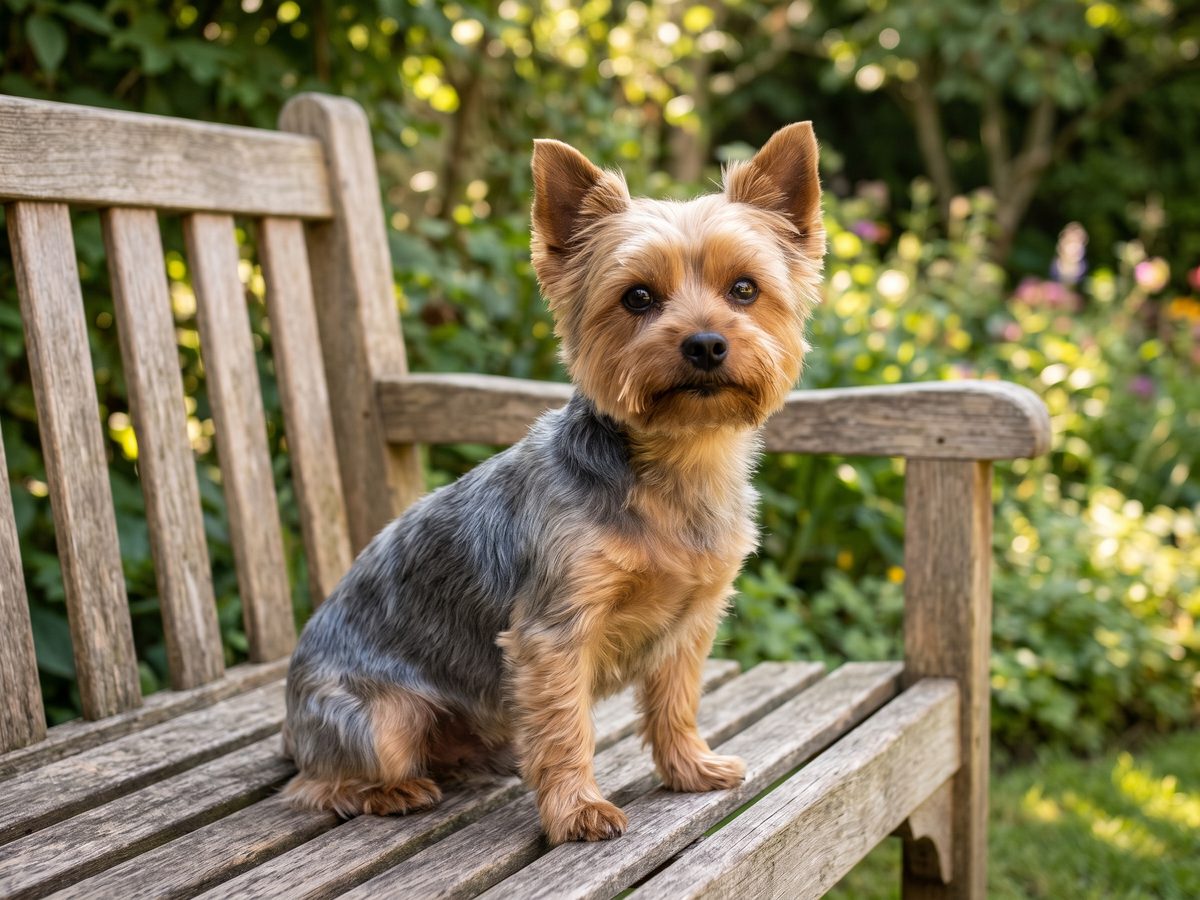
Yorkshire Terriers are confident, curious and affectionate, with plenty of terrier in them despite the size. They suit apartments and owners who want a small dog with personality, and they often get on well with older people.
They are a harder fit for homes with toddlers, where a tiny dog is easily hurt, and for anyone wanting a silent dog: many Yorkies are keen watchdogs. The terrier side may chase small pets.
Exercise and Brain Games
Up to 30 minutes of walking a day plus play suits most adults, but a Yorkie will happily do more. Sniffing games, puzzle toys and short training sessions keep that terrier brain busy. Socialize your puppy with calm people and dogs, and reward quiet behavior early.
Full Coat or Puppy Cut
- Full coat: long, fine and silky, like human hair. It needs daily brushing and combing and regular baths to stay tangle-free. The hair above the eyes is usually tied up in a topknot.
- Puppy cut: a short, even clip from a groomer every few weeks. Much less daily work, and the choice of most pet owners.
Either way, the coat sheds very little onto the floor, though no dog is truly allergy-free.
Gear for a Small Frame and a Silky Coat
Each button opens a search in your own country's Amazon store. As an Amazon Associate we earn from qualifying purchases.
A pin brush and a fine metal comb suit silky hair. Topknot bands keep hair out of the eyes. An extra-small harness keeps pressure off the neck, a finger toothbrush makes daily brushing easy, and a small coat helps on cold walks.
Teeth and Health Checks
A tiny jaw holds a full set of teeth, so crowding is common in toy breeds. Start brushing daily with dog toothpaste while your Yorkie is young, and ask your vet to check the teeth at every visit; see dental chews vs brushing.
Ask your vet to check the kneecaps and teeth at routine visits, keep your dog lean, and talk about vaccinations, neutering and a parasite plan sized for a very small dog. Ask a breeder what health checks the parents have had.
Worming, flea and tick products: see your vet or a pet supply store with trained staff. Doses depend on size, and tiny dogs need the right product for their weight.
Frequently Asked Questions
Hair, teeth and size come up most.
Do Yorkies shed?
Very little hair falls out onto the floor, but the coat still needs regular brushing or a short clip. No dog is truly allergy-free.
How big do Yorkshire Terriers get?
The breed standards set a maximum of 7 lb (3.2 kg). Some pet Yorkies are larger, which is fine if they are healthy and lean.
Are Yorkies good with children?
With older, gentle children, often yes. Toddlers can easily hurt a dog this small, so supervise closely.
Full coat or puppy cut?
It's your choice. A full coat needs daily brushing; a puppy cut needs a groomer every few weeks but far less work at home.
Why are Yorkie teeth such a big deal?
Small mouths often mean crowded teeth. Daily brushing from puppyhood and regular vet checks help keep them healthy.
Related Reading
- Shih Tzu: another long-coated companion.
- Poodle and doodle grooming: clips and groomer visits.
- Dog grooming supplies: brushes, combs and clippers.
Breed traits are tendencies, not promises. If your Yorkie limps, coughs, has sore teeth or stops eating, call your vet promptly.