Shih Tzu: Temperament, Coat, Eyes and Everyday Care
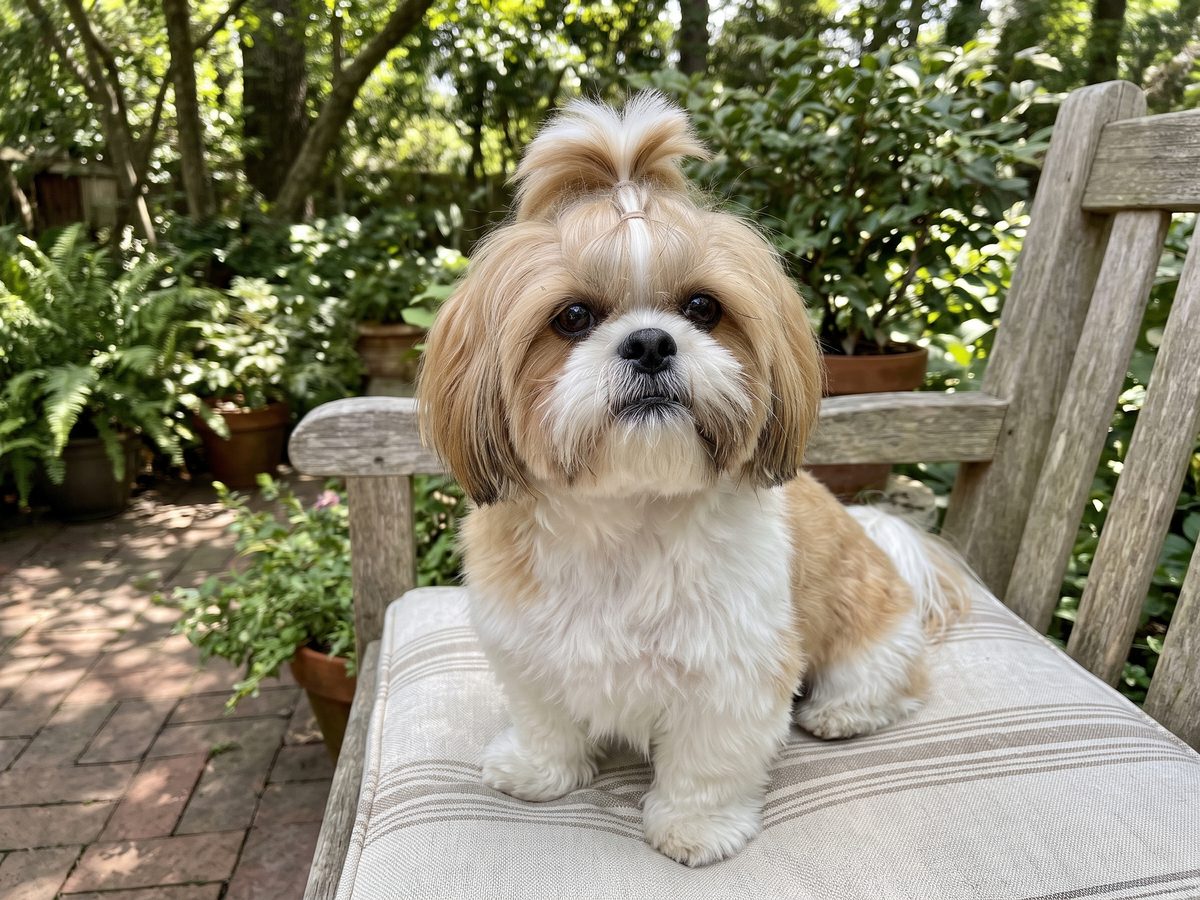
Who a Shih Tzu Suits
The Shih Tzu was bred as a companion, with no working job in its history, and it shows. Most are affectionate, calm and happiest close to their people. They suit apartments, retired owners and families with gentle children.
They are a poor fit for anyone wanting a hiking or running partner, and for homes with no time for grooming. A Shih Tzu with a matted coat is an uncomfortable dog.
Gentle Exercise and Heat Caution
One or two easy walks and some indoor play cover most adults' needs. The muzzle is short, though not as flat as a French Bulldog's, so a Shih Tzu cools itself less efficiently than a longer-nosed dog. In warm weather, walk early or late and keep outings short. Food puzzles and gentle training games keep the mind busy.
Our flat-faced breeds guide explains heat, flying and insurance for short-faced dogs.
Coat and Eyes: Two Daily Habits
- Full coat: brush and comb right down to the skin every day, especially behind the ears, under the legs and on the belly, where mats start.
- Short clip: a "puppy clip" from a groomer every few weeks swaps daily brushing for regular appointments. Either choice is fine for the dog.
- Topknot: tie up or trim the hair above the eyes so it doesn't poke them.
- Eyes: large, prominent eyes collect dust. Wipe gently under them daily with a soft damp cloth and look for redness or cloudiness.
Squinting, redness, cloudiness or a change in how an eye looks means a same-day vet visit.
Gear for a Long-Coated Companion
Each button opens a search in your own country's Amazon store. As an Amazon Associate we earn from qualifying purchases.
A soft slicker brush and a metal comb keep a full coat free of mats. Small hair bands hold the topknot out of the eyes. A small harness keeps pressure off the throat, a shallow, wide bowl suits a short muzzle, and pet steps spare small legs the jump down from the sofa.
Health: What to Ask the Breeder and Your Vet
In the UK, The Royal Kennel Club lists eye testing as good practice for Shih Tzu breeders and breathing assessment under the Respiratory Function Grading scheme as best practice. Ask to see results for both parents.
Small breeds often have crowded teeth, so start tooth brushing early; see dental chews vs brushing. Ask your vet to check the kneecaps, teeth and eyes at routine visits, and talk to them about vaccinations, neutering and a parasite plan. A short muzzle is something your vet plans for if your dog ever needs an anesthetic.
Worming, flea and tick products and eye drops: see your vet or a pet supply store with trained staff. They can tell you what suits your dog.
Frequently Asked Questions
Hair, eyes and lap time come up most.
Do Shih Tzus shed?
Very little hair ends up on the floor, but the loose hair tangles into the coat instead, which is why daily brushing or a short clip matters. No dog is truly allergy-free.
How often does a Shih Tzu need grooming?
Daily brushing for a full coat, or a groomer's clip every few weeks for a short one. Either way, check the eyes and the hair around them every day.
Are Shih Tzus good apartment dogs?
Yes, usually. They are small, need only gentle exercise and enjoy indoor life. Keep the home cool in summer.
Are Shih Tzus good with children?
With gentle, older children, often very good. A small dog can be hurt by rough handling, so supervise younger children.
Why does my Shih Tzu have tear stains?
Tear staining is common in breeds with prominent eyes and a short face. Wipe gently each day, and ask your vet to check the eyes if staining increases or the eye looks sore.
Related Reading
- Dog grooming supplies: brushes, combs and clippers.
- Flat-faced breeds: heat and breathing.
- Yorkshire Terrier: another long-coated companion.
Breed traits are tendencies, not promises. A sore eye, labored breathing or a limp all mean call your vet.