How to Switch Dog Food Without an Upset Stomach
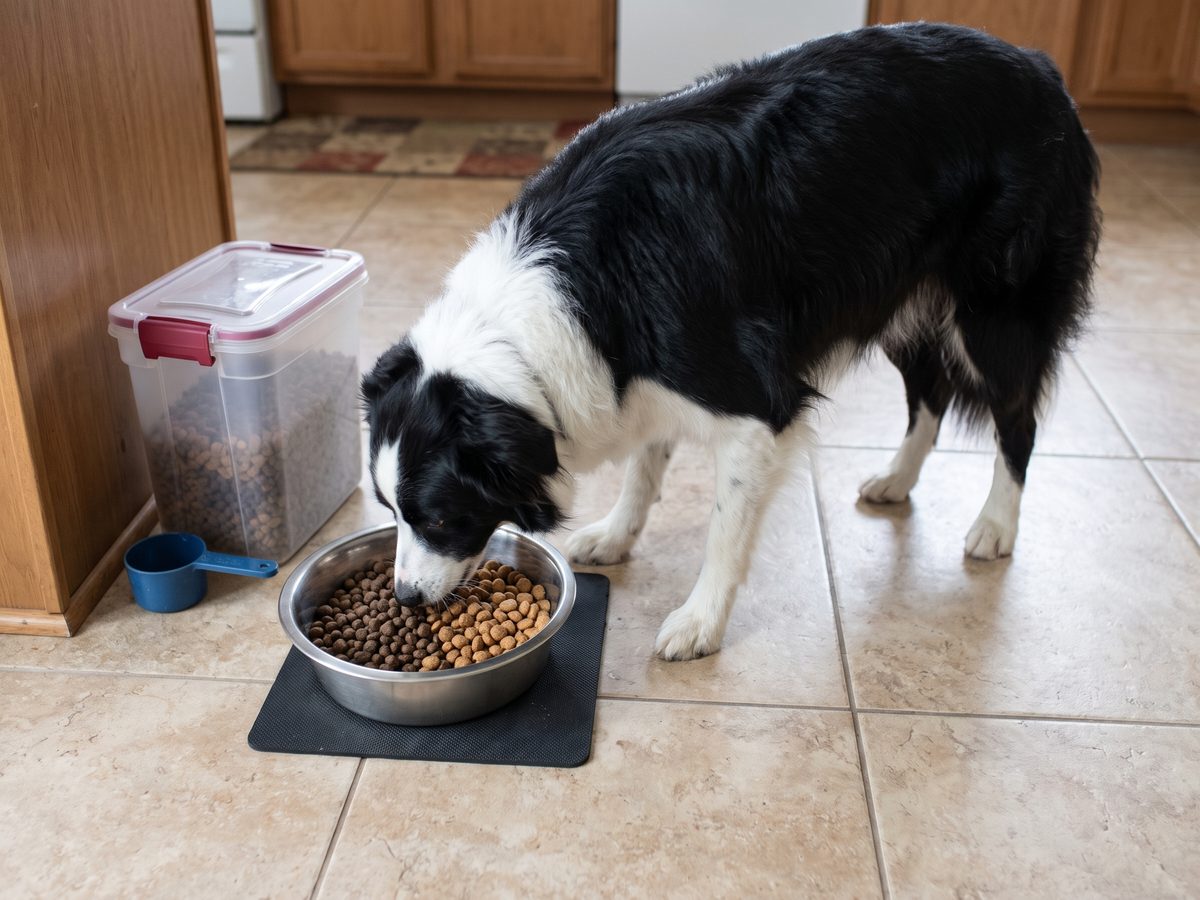
The 7-Day Mixing Plan
- Days 1–2: about a quarter new food, three-quarters old.
- Days 3–4: half and half.
- Days 5–6: about three-quarters new, a quarter old.
- Day 7: all new food. Keep an eye on stools for a few more days.
Weigh or measure portions so the total amount stays the same; the new food may have a different number of calories per cup, so check its feeding guide. Buy the new bag before the old one runs out, so you never have to switch overnight.
Why Gradual Works
A dog's digestion gets used to the food it eats every day. A sudden swap to a different mix of protein, fat and fiber often shows up as loose stools or wind for a few days. That doesn't mean the new food is bad; the gut just needs time to adjust, and the mixing plan gives it that time.
Slower for Sensitive Dogs
Stretch the same steps over 10 to 14 days for a dog with a history of tummy upsets, a young puppy or an older dog. Stay at each stage for an extra couple of days instead of skipping ahead. If your dog is recovering from illness or is on medicine from the vet, ask your vet before changing food at all.
Avoid changing treats during the same week. If two things change at once, you can't tell which one caused an upset.
When Your Dog Picks Around the New Food
Some dogs eat the familiar pieces and leave the rest for the first day or two. This usually settles as the balance tips toward the new food. Warming wet food slightly or hand-feeding the first few new pieces can help. A dog that eats nothing at all for a day needs a call to the vet, not more tactics, because a sudden loss of appetite can mean something other than fussiness.
Gear for a Smooth Switch
Each button opens a search in your own country's Amazon store. As an Amazon Associate we earn from qualifying purchases.
Kitchen scales keep each day's mix accurate. An airtight container keeps both foods fresh while you have two bags open. A slow-feed bowl helps a dog that gulps the new mix, and a sensitive-stomach recipe is one option to discuss if your dog has a history of upsets.
When to Stop and Call the Vet
Slightly soft stools for a day are common during a switch. Go back to the last mix your dog was fine on and slow down. Call your vet if diarrhea lasts more than a day or two, or comes with vomiting, blood, tiredness or loss of appetite, and call promptly for a puppy or an older dog.
Probiotics, supplements and medicines for an upset stomach: see your vet or a pet supply store with trained staff. Don't add anything during a switch without advice.
Frequently Asked Questions
One bowl, two foods, a few common questions.
Do I need to switch gradually between flavors of the same brand?
It's a smaller change, but mixing over a few days is still kinder, especially for a dog with a sensitive stomach.
Can I switch faster if my dog seems fine?
Some healthy adults cope with a faster change, but there's little to gain by rushing. The full week costs nothing and gives digestion more time.
Does switching from kibble to wet, fresh or raw need the same plan?
Yes, and it can be a bigger change than switching brands, so consider going slower. Follow the hygiene advice on the pack for raw or fresh food.
How long before I know if the new food suits my dog?
Give it a few weeks once your dog is fully on the new food. Coat, energy and stools all take time to show a change.
What if my dog won't eat the mixed bowl?
Picking around new food is common for a day or two. Warming wet food slightly can help. If your dog eats nothing for a day, call your vet.
Related Reading
- Dog food: dry, wet, fresh and freeze-dried.
- Limited-ingredient and sensitive diets: reading the labels.
- Puppy, adult and senior food: when to change stage.
This is a general plan, not advice for a sick dog. If your dog is unwell during or after a food change, call your vet.