Chihuahua: Temperament, Care and Small-Dog Needs
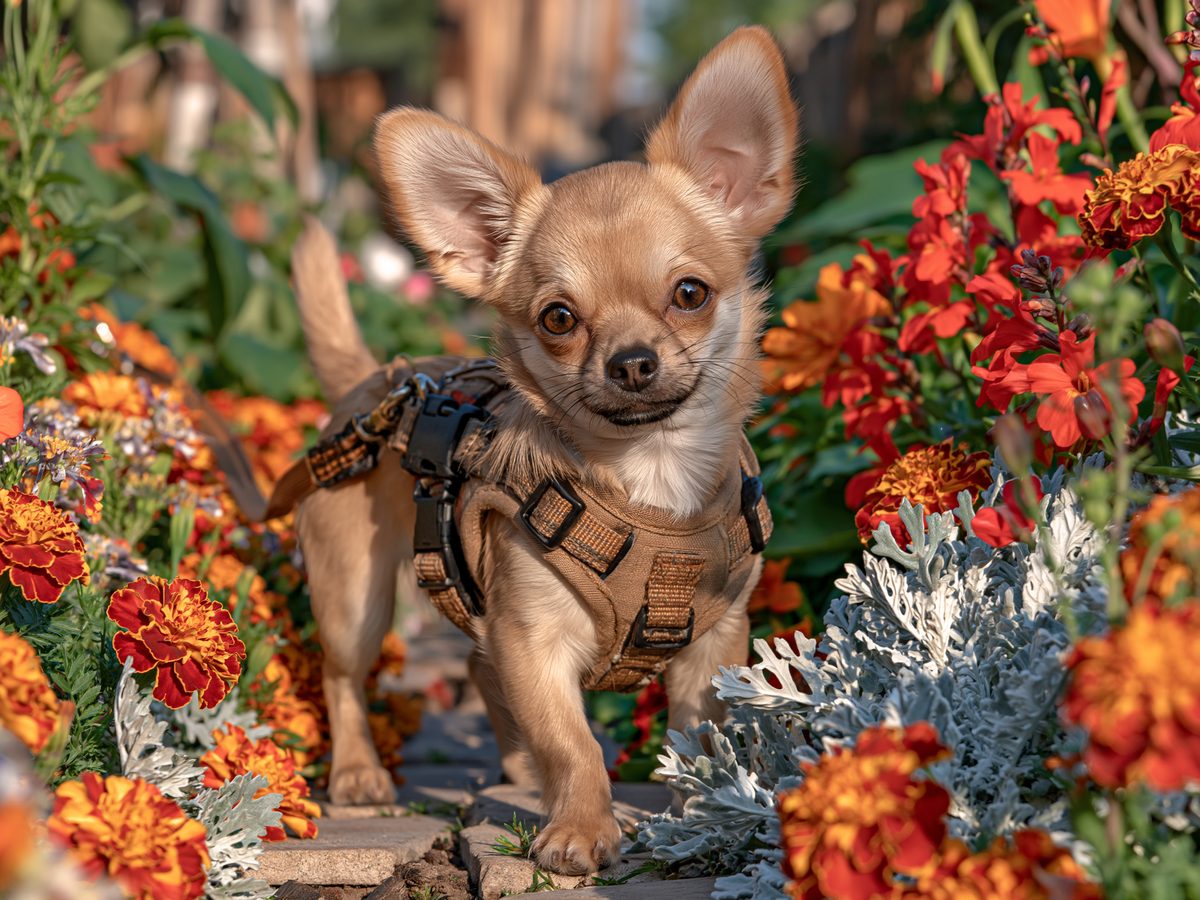
Who a Chihuahua Suits
Chihuahuas are loyal, alert and often bond closely with one person. They suit apartment life and adults or families with older, gentle children.
They are a harder fit for homes with toddlers or boisterous large dogs, where a tiny dog can easily be stepped on or dropped. Many are vocal and wary of strangers, so plan for training, not just cuddles.
Socialization: Raise It Like a Big Dog
It's tempting to carry a small dog everywhere and skip the training. Chihuahuas do much better when they're raised like any other dog: meeting calm people and dogs, walking on a leash, and learning basic cues with rewards. A small dog that is often scooped up when it's worried can become more fearful and snappy, not less. Let it explore at its own pace, and step in when it needs protecting.
Harness, Not Collar
A small dog's neck is delicate, so many vets recommend a harness for walks with toy breeds. Keep a light collar for the ID tag and clip the leash to the harness. Use a short, light leash, and be careful on stairs and when your dog jumps down from furniture.
Cold and Heat
Tiny dogs lose heat fast. A well-fitted coat or sweater makes winter walks more comfortable, especially for smooth-coated dogs, and a warm bed away from drafts helps indoors. They can also overheat, so in summer walk early and late and keep walks short.
Gear Sized for a Tiny Dog
Each button opens a search in your own country's Amazon store. As an Amazon Associate we earn from qualifying purchases.
An extra-small harness and a light leash suit a dog this size. A warm coat helps in winter, and a covered, cozy bed gives a Chihuahua the burrow it loves. A finger toothbrush and dog toothpaste make daily brushing easier, and pet steps save a tiny dog the jump down from the sofa.
Teeth and Health Checks
Small mouths often mean crowded teeth, so dental care matters more than people expect. Start brushing early with a dog toothpaste and ask your vet to check the teeth at every visit; see dental chews vs brushing.
In the UK, The Royal Kennel Club lists eye testing and breathing assessment under the Respiratory Function Grading scheme as best practice for Chihuahua breeders. Ask your vet to check the kneecaps, teeth and heart at routine visits, and talk about vaccinations, neutering and a parasite plan sized for a very small dog.
Worming, flea and tick products: see your vet or a pet supply store with trained staff. Doses depend on size, and tiny dogs need the right product for their weight.
Frequently Asked Questions
Little dog, lots of questions.
Are Chihuahuas good with children?
With older, gentle children, they can be. Toddlers and tiny dogs are a risky mix, because a fall or a squeeze can hurt a Chihuahua.
Do Chihuahuas need walks?
Yes. Short daily walks give exercise, sniffing and socialization. Up to 30 minutes a day plus play suits most.
Why do Chihuahuas shiver?
Often because they're cold, excited or nervous. Keep your dog warm and calm, and ask your vet if shivering seems unusual or constant.
Should my Chihuahua wear a collar?
A light collar for the ID tag is fine, but clip the leash to a harness for walks to keep pressure off the neck.
Are Chihuahuas yappy?
Many are alert and vocal. Socialization and reward-based training help a lot.
Related Reading
- Pomeranian: another toy dog with a big voice.
- Collar vs harness: walking gear compared.
- Barking at the door: calming the doorbell alarm.
Breed traits are tendencies, not promises. Tiny dogs can go downhill quickly when unwell, so call your vet promptly if your Chihuahua stops eating, seems weak or is hurt.