Pomeranian: Temperament, Coat and Everyday Care
Bold Personality, Small Body
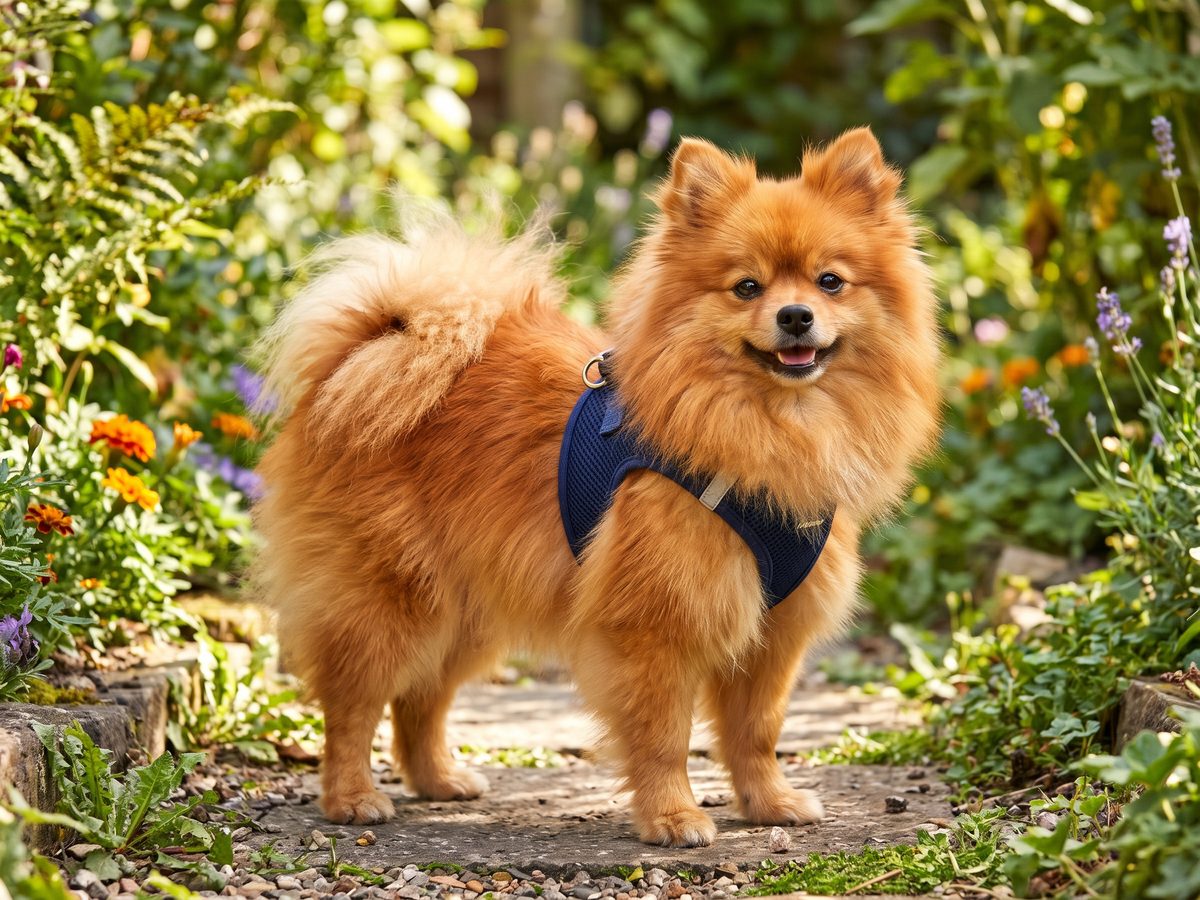
Pomeranians are lively, curious and sure of themselves. They are descended from larger spitz dogs and seem to have kept the attitude. They suit apartments and owners who enjoy a busy, chatty little dog.
They are a harder fit for homes with toddlers, because a tiny dog is easily hurt, and for anyone who needs a quiet dog. Many Poms announce every visitor, parcel and passing leaf.
Brushing the Double Coat
A soft undercoat sits under a longer outer coat. Brush a few times a week with a slicker brush, then go through with a comb right down to the skin, especially behind the ears and in the "trousers". The coat sheds more heavily at times, so brush more then.
Don't shave a Pomeranian for looks or to keep it cool: the double coat helps protect the skin and can grow back unevenly. A groomer can tidy the feet, ears and rear end. See grooming double-coated dogs.
Harness, Not Collar
A toy dog's neck is delicate, so many vets recommend a harness for walks. Keep a light collar for the ID tag and clip the leash to the harness. Be careful on stairs and when your Pom leaps off furniture; small legs aren't built for big drops.
Socialization and the Watchdog Voice
Introduce your puppy calmly to lots of people, dogs, sounds and places, and reward quiet behavior. Teach a "thank you, that's enough" cue for barking rather than shouting, which a Pom tends to treat as joining in. See barking at the door.
Gear for a Fluffy Toy Dog
Each button opens a search in your own country's Amazon store. As an Amazon Associate we earn from qualifying purchases.
A small slicker brush and a metal comb handle the double coat. An extra-small harness keeps pressure off the neck. A finger toothbrush makes daily brushing easy, pet steps save small legs, and a puzzle toy keeps a busy brain occupied.
Teeth and Health Checks
Small mouths often mean crowded teeth, so start brushing early and ask your vet to check teeth at every visit; see dental chews vs brushing. In the UK, The Royal Kennel Club lists eye testing as best practice for Pomeranian breeders. Ask your vet to check the kneecaps at routine visits, and talk about vaccinations, neutering and a parasite plan sized for a very small dog.
Worming, flea and tick products: see your vet or a pet supply store with trained staff. Doses depend on size, and tiny dogs need the right product for their weight.
Frequently Asked Questions
Fluff, barking and that coat come up most.
Should I shave my Pomeranian in summer?
No. The double coat helps protect the skin and can grow back unevenly. Brush out loose undercoat instead and keep your dog in the shade.
Do Pomeranians bark a lot?
Many are alert and vocal. Socialization and teaching a calm cue for "enough" help a lot.
Are Pomeranians good with children?
With older, gentle children, they can be. Toddlers can easily hurt a dog this small, so supervise closely.
How often should I brush a Pomeranian?
A few times a week, and more when the coat is shedding. Comb down to the skin behind the ears and in the trousers.
Should a Pomeranian wear a collar or a harness?
A harness for walks, with a light collar for the ID tag. That keeps leash pressure off the neck.
Related Reading
- Chihuahua: another tiny dog with a big personality.
- Grooming double-coated dogs: brushes and shedding.
- Dog grooming supplies: the full kit.
Breed traits are tendencies, not promises. If your Pomeranian coughs, limps or stops eating, call your vet promptly; small dogs can go downhill quickly.