Akita and Shiba Inu: Independent Spitz Breeds
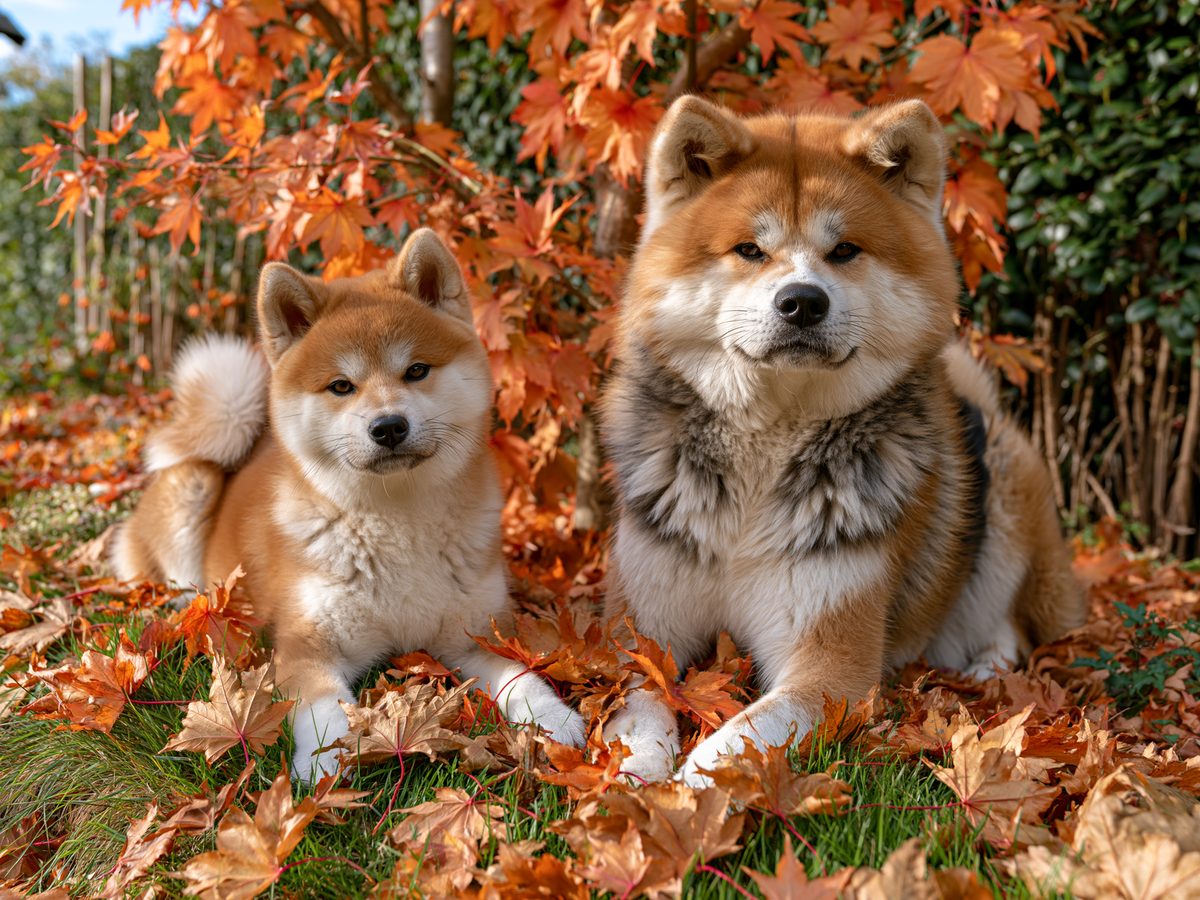
Two Breeds, One Temperament Pattern
Both breeds are dignified, loyal to their own family and often cat-like in their cleanliness. They tend to be reserved with strangers and independent rather than eager to please. The Akita is a large, powerful guardian; the Shiba is a small, bold, quick one.
They suit calm, consistent owners who enjoy a dog with a mind of its own. They are a harder fit for busy multi-dog homes, dog parks, homes with small pets, and anyone who needs reliable off-leash recall.
Other Dogs, Especially of the Same Sex
Many Akitas and Shibas don't enjoy the company of unfamiliar dogs, and some don't tolerate other dogs of the same sex at all, particularly as adults. Plan for it rather than hoping:
- Socialize your puppy with calm, well-mannered dogs from the start.
- If you have another dog, an opposite-sex pairing is usually more likely to work; ask the breeder or rescue for advice.
- Skip crowded dog parks; choose walks and known friends instead.
- Get help early from a qualified trainer if tension appears. See introducing two dogs.
Coat Blowouts
Both breeds have a thick double coat that sheds moderately most of the year and then "blows" heavily, usually twice a year. During a blowout, brush every day or two with an undercoat rake and slicker brush; the amount of fur can be astonishing. Never shave the coat; it helps protect the skin from heat and cold.
Training an Independent Mind
Endless repetition bores these breeds. Short, varied, reward-based sessions work better, and so does making the reward worth it. Recall is often unreliable, especially in Shibas, so keep them on a leash or long line outside secure areas, and check fences: Shibas in particular are escape artists. Start handling practice early for grooming and vet visits; see cooperative care handling.
Gear for Two Independent Shedders
Each button opens a search in your own country's Amazon store. As an Amazon Associate we earn from qualifying purchases.
An undercoat rake and slicker brush handle the blowouts. A long line keeps recall practice safe. A puzzle feeder gives an independent brain something to solve, and a basket muzzle, introduced with treats, is useful for vet visits and essential where the law requires one.
Health: What to Ask the Breeder and Your Vet
In the UK, The Royal Kennel Club lists eye testing and hip scoring for both breeds (with gonioscopy for Shibas). Ask to see results for both parents. Book a check-up soon after your dog comes home, and ask about vaccinations, neutering and a parasite plan.
Worming, flea and tick products: see your vet or a pet supply store with trained staff. They can tell you what suits your dog.
Frequently Asked Questions
Proud dogs, practical questions.
Can an Akita live with another dog?
Sometimes, especially with an opposite-sex dog raised alongside it. Many Akitas don't accept other dogs of the same sex. Plan carefully and get advice.
Are Shiba Inus good for first-time owners?
They can be for a patient first-timer who enjoys an independent dog, but they are not eager to please and recall is often poor.
Do Akitas and Shibas shed?
Yes, a lot during their twice-yearly blowouts. Daily raking during those weeks helps.
Can a Shiba Inu be off the leash?
Rarely safely in open spaces. Use a long line and secure, fenced areas.
Are Akitas good with children?
They are often devoted to their own family's children, but they are large and protective. Supervise closely, especially with visiting children.
Related Reading
- Siberian Husky: another double-coated spitz breed.
- Grooming double-coated dogs: rakes and blowouts.
- Introducing two dogs: doing it slowly.
Breed traits are tendencies, not promises. If tension between dogs at home is growing, get help from your vet or a qualified behaviorist early.