Cat Health Basics: Preventive Care Through the Year
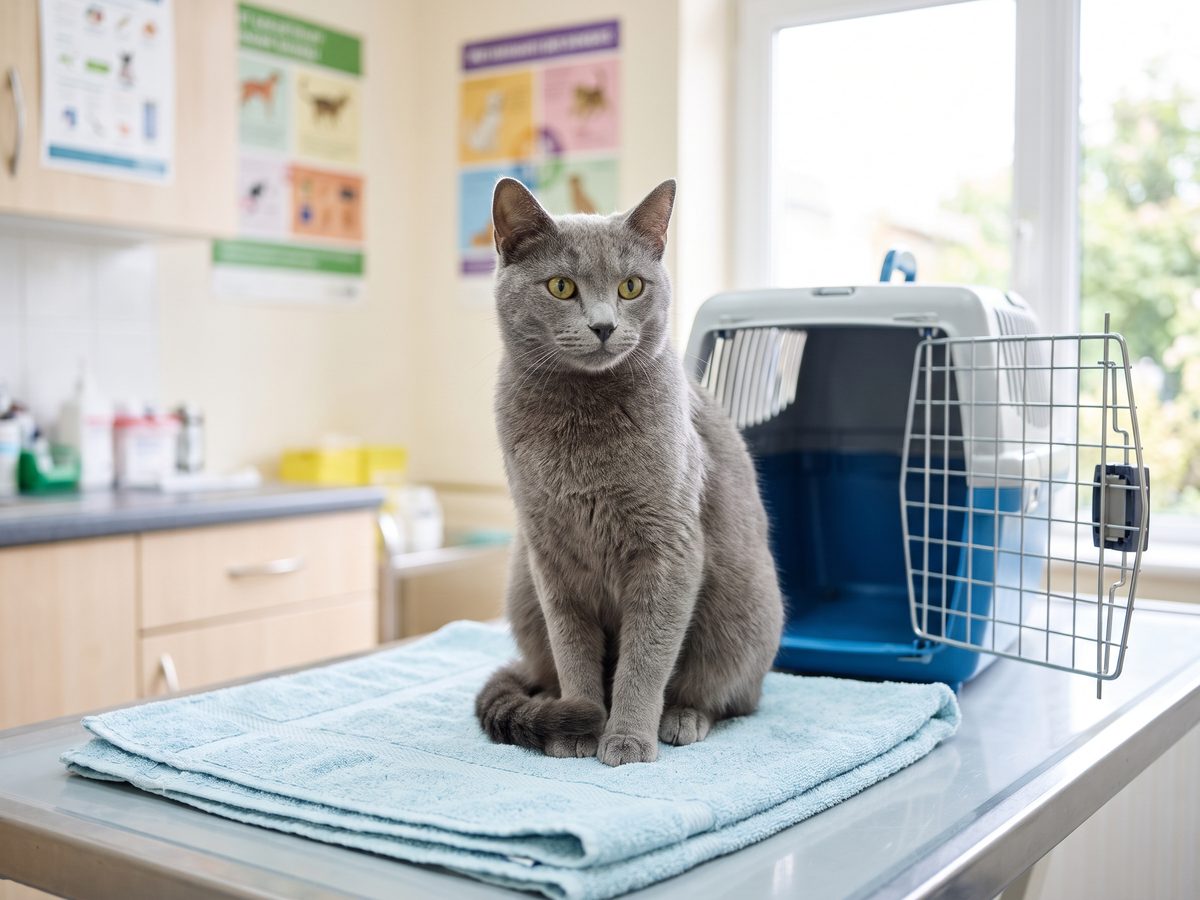
Regular Check-Ups
A yearly check-up lets your vet look your cat over from nose to tail, weigh it, check teeth, heart and joints, and talk through vaccinations and parasite prevention. Many vets suggest twice-yearly visits once a cat is about ten, because changes can come faster in older cats. Our senior cat checklist covers the later years.
Cats are experts at hiding discomfort, so a check-up often finds things owners couldn't see. Bring a short list: any changes in appetite, thirst, litter habits, weight, grooming or behavior since the last visit. If you don't have a vet yet, our guide to finding a vet helps.
Vaccinations
Vaccinations, flea, tick and worming treatments: see your vet or a pet supply store with trained staff. They can tell you what suits your cat, its age and where you live.
Vets talk about core vaccines, which every cat should have, and others that depend on how your cat lives and where. Which vaccines are recommended, and how often boosters are due, varies by country and region, so your vet is the person to set your cat's plan. Indoor cats usually still need core vaccines.
Kittens need a first course of vaccinations, so book a vet visit soon after a kitten comes home. Boarding catteries usually ask for proof of vaccination, and travel abroad has its own rules, so keep your cat's records somewhere safe.
Fleas, Worms and Ticks
Even indoor cats can pick up fleas from other pets, visitors or a trip to the vet, and cats that hunt can pick up worms from prey. Your vet can set up a parasite prevention plan to suit your cat's age, weight and lifestyle and where you live.
Never use a flea product made for dogs on a cat: some dog products are dangerous to cats. Between vet visits, a quick run with a flea comb over a white towel shows whether you have a problem, and washing bedding hot keeps flea eggs down.
Neutering
Neutering prevents unwanted litters and cuts roaming, fighting and spraying. UK vets' and welfare groups recommend it from about four months, and US feline vets by five months. Our neutering guide covers timing, myths and recovery.
Home Health-Check Kit
Each button opens a search in your own country's Amazon store. As an Amazon Associate we earn from qualifying purchases.
A digital pet scale lets you spot slow weight changes between visits. A cat toothbrush and toothpaste make daily brushing possible, a flea comb checks the coat in a minute, and a comfortable, easy-to-open carrier makes vet trips less of a battle. Leave the carrier out as furniture between visits.
Teeth
Dental problems are common in adult cats and easy to miss, because cats keep eating through discomfort. Daily brushing with a cat toothpaste is the best home care; introduce it slowly with treats. Ask your vet to check teeth at every visit, and book a check if you notice bad breath, red gums or dropping food.
Weight and Body Condition
Extra weight puts strain on a cat's joints and health, and it creeps on slowly, especially after neutering and in indoor cats. Once a month, run your hands along your cat's sides: you should feel the ribs easily without seeing them, and see a waist from above. Our feeding guide explains body condition and portions.
Unplanned weight loss matters just as much. Weigh your cat regularly and tell your vet about any change you can't explain.
ID and Records
A microchip is the most reliable way back home for a lost cat, and in England it's a legal requirement for owned cats. Keep the database details up to date when you move or change your phone number. Keep vaccination records, insurance or savings details and your vet's out-of-hours number together and easy to find.
Vet bills can be a shock. Our guide to pet insurance versus a savings fund compares the two.
Frequently Asked Questions
The basics, answered briefly.
How often should my cat see the vet?
At least once a year for a check-up, and twice a year for most cats from about ten years old. Kittens need several visits for their first vaccinations.
Do indoor cats need vaccinations?
Usually yes, at least the core vaccines, because some infections can reach indoor cats on shoes, clothes or other pets, and indoor cats sometimes get out. Your vet will advise which vaccines your cat needs.
Do indoor cats need flea and worm prevention?
Often yes, though the plan may differ from an outdoor cat's. Fleas can come in on other pets and people. Ask your vet what suits your cat.
How do I know if my cat is in pain?
Cats hide pain well, so look for changes: less jumping, hiding, grooming less or overgrooming one spot, eating less, or using the litter box differently. If you notice a change, call your vet.
Should I brush my cat's teeth?
Daily brushing with a cat toothpaste is the best home care for teeth. Start slowly with treats; many cats learn to accept it. Never use human toothpaste.
What should I do if my cat suddenly stops eating?
Call your vet. Cats shouldn't go without food for long, and a cat that stops eating needs checking sooner rather than later.
Related Reading
- Neutering your cat: when, why and recovery.
- Senior cat checklist: care from about age ten.
- Bringing home a kitten: first vet visits and the early weeks.
- When to call the vet: how soon is soon enough.
This page covers preventive care only and isn't a substitute for your vet. If something about your cat's health or behavior worries you, call them.