Rottweiler: Temperament, Socialization and Everyday Care
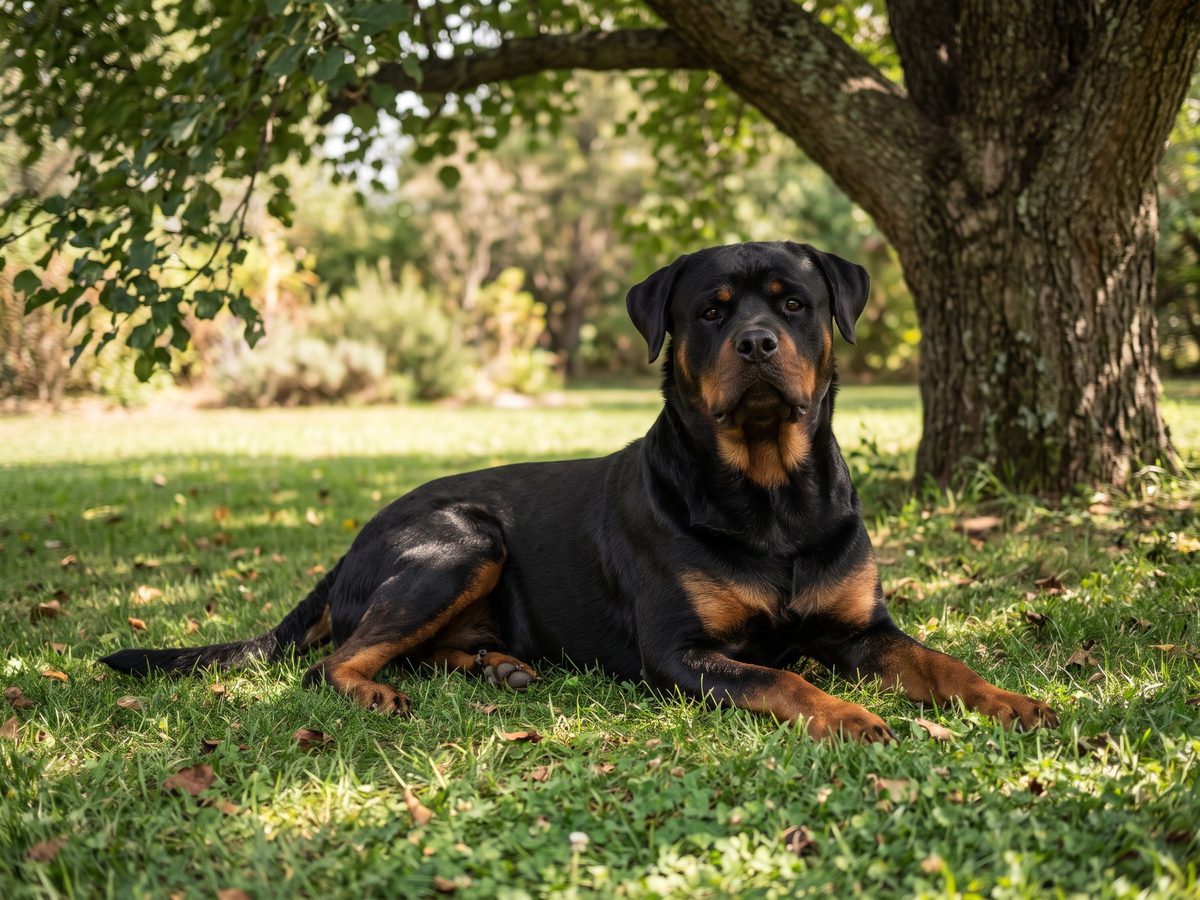
A Confident, Trainable Breed, Not an Impulse Buy
The reward is a calm, devoted and watchful companion. The price is structured training and socialization that carry on well past puppyhood. The size and the guarding instinct don't shape themselves, and that is where this breed catches people out.
People who enjoy training usually find a Rottweiler's intelligence rewarding. Young children don't rule the breed out, but a large dog and small children always need active supervision; see dogs and children.
Socialization Is a Habit, Not a Phase
Rottweilers tend to become more watchful of strangers as they mature. That makes calm, positive experiences with new people, dogs and places important right through the first two or three years, not just in the puppy weeks.
- Keep meeting new people and places, at a distance your dog finds easy.
- Reward calm looking, not just friendly greeting.
- Get help early from a qualified trainer if worry or guarding starts to grow; see when to hire a trainer or behaviorist.
Exercise, Heat and the Dark Coat
The Royal Kennel Club suggests more than two hours of exercise a day for an adult. Walks, training games and tug with clear rules suit the breed. For a growing puppy, ask your vet or breeder how much is right, and avoid lots of repeated jumping.
A black coat absorbs the sun's heat, and this is a big, heavy dog. In warm weather, walk early and late, carry water and offer shade. Our hot-weather safety guide has more.
Gear for a Large, Watchful Dog
Each button opens a search in your own country's Amazon store. As an Amazon Associate we earn from qualifying purchases.
A wide, padded harness spreads leash pressure across a strong chest. A basket muzzle, introduced slowly with treats, is useful for vet visits and essential where the law requires one. A cooling mat gives a dark-coated dog somewhere comfortable in summer, and chew toys made for strong jaws last far longer than standard ones.
Health: What to Ask the Breeder and Your Vet
In the UK, The Royal Kennel Club lists hip and elbow scoring and a DNA test for JLPP as good practice for breeders, with a DNA test for LEMP-2 and eye testing as best practice. In the US, ask for OFA hip and elbow results. Ask to see results for both parents.
Keep your dog lean, book a check-up soon after it comes home, and ask your vet about vaccinations, neutering timing for a large breed, and a parasite prevention plan.
Worming, flea and tick products and joint supplements: see your vet or a pet supply store with trained staff. They can tell you what suits your dog.
Frequently Asked Questions
Rules, socialization and size come up most.
Are Rottweilers naturally aggressive?
The breed is watchful and protective, but a well-socialized, well-trained Rottweiler is usually calm and affectionate with its family. Problems are far more likely when socialization, training and management are missing.
Will a Rottweiler affect my home insurance?
It can. Some insurers and landlords list the breed. Ask your insurer directly and read the breed wording in your policy and lease.
How long does Rottweiler socialization take?
Think of it as a project for the first two years or more, because watchfulness tends to grow as the dog matures. Keep up calm, positive outings throughout.
Is a Rottweiler a good first dog?
It can work for a first-time owner who is ready for consistent training and comfortable handling a large, strong dog. Many people find a puppy class and a good trainer make a big difference.
Do Rottweilers get on with other dogs and cats?
Often, especially when raised with them or introduced slowly. Two adult dogs of the same sex sometimes need more careful management.
Does a Rottweiler need a muzzle?
In some places, such as Ireland, the law requires one in public. Everywhere else, teaching your dog to wear a basket muzzle calmly is still useful for vet visits.
Related Reading
- Staffordshire and bull breeds: muzzle training step by step.
- Leash reactivity basics: when walks get tense.
- Collars, harnesses and leashes: gear for a strong dog.
Breed traits are tendencies, not promises. Nothing here is legal or insurance advice. If your Rottweiler's gait, energy or behavior changes, call your vet.