Puppy Socialization: The Early Weeks That Matter Most
Why the Early Weeks Matter
Puppies learn about the world fastest in their first few months. The American Veterinary Society of Animal Behavior describes the first three months as the most important period for socialization. Experiences then shape how confident or worried a dog is for life. Socialization doesn't stop at three months; keep it going through adolescence.
Keep It Positive
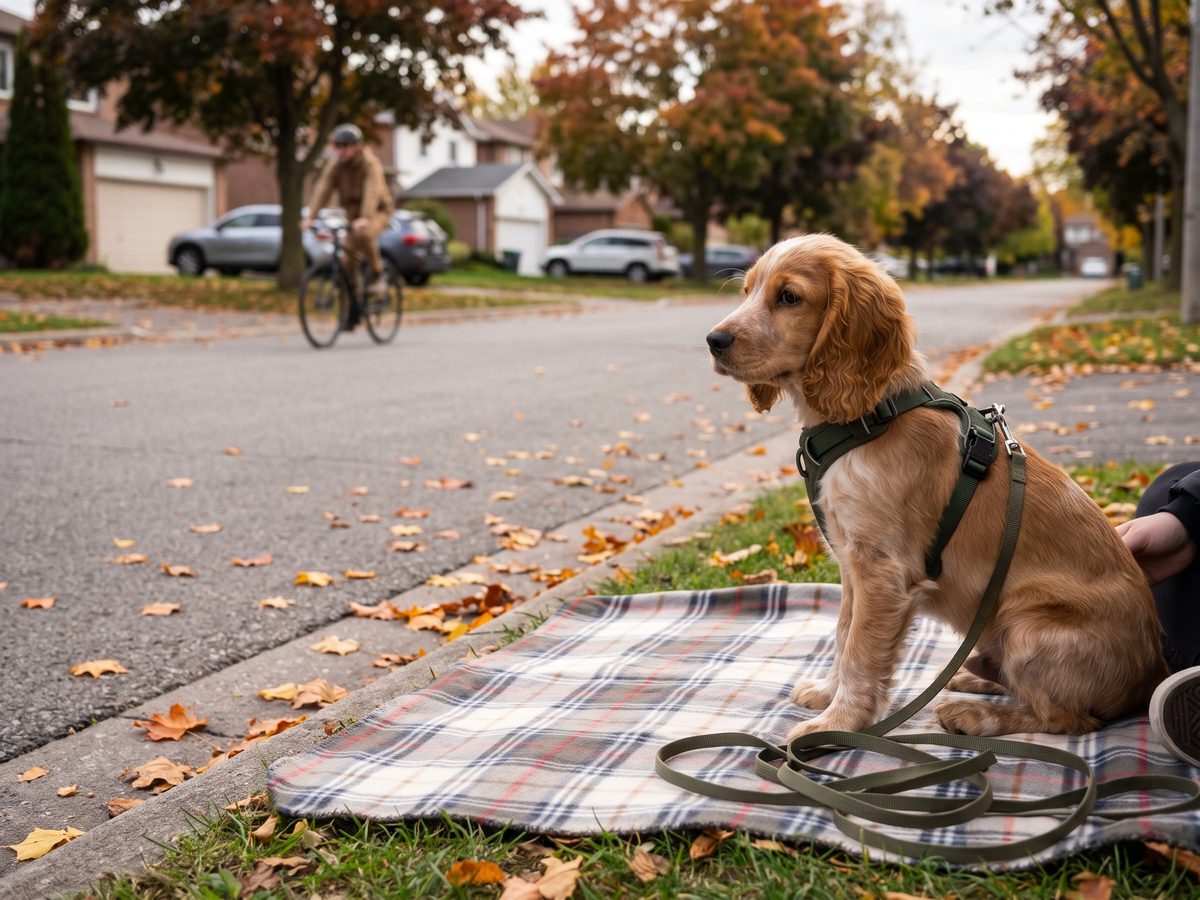
- Quality over quantity: a calm look at a bus from across the road beats being swamped in a crowd.
- Let your puppy choose: let it approach, sniff and retreat. Never push it toward something it's unsure about.
- Pair new things with good things: treats or play when something new appears.
- Keep it short: a few minutes, then home for a nap.
- Watch for worry: tail tucked, ears back, freezing, lip licking, trying to hide. Move away and make it easier next time.
Socializing Safely Before Full Vaccination
Waiting until every vaccination is done can mean missing the best weeks for socialization, but infection risks are real too. A sensible balance, which your vet can tailor: carry your puppy out to watch the world, meet healthy, vaccinated adult dogs in clean private gardens, and join a well-run puppy class when your vet says it's safe. Avoid places where unknown dogs gather until your vet gives the go-ahead.
Vaccinations and parasite prevention: see your vet or a pet supply store with trained staff. Your vet will tell you when your puppy can safely go out and mix.
Choosing a Puppy Class
A good class is small, calm and reward-based, groups puppies by age and size, and lets shy puppies watch from a safe distance. Off-leash play should be short and supervised, with breaks. Avoid any class that uses harsh corrections or lets puppies bully each other. See choosing a trainer.
Gear for Socialization Outings
Each button opens a search in your own country's Amazon store. As an Amazon Associate we earn from qualifying purchases.
A puppy sling or carrier lets a young puppy see the world safely. A treat pouch keeps rewards ready, and a soft harness and light leash are comfortable for first walks. Recordings of household and city sounds help with noise.
Frequently Asked Questions
Small puppy, big world.
When should socialization start?
Straight away, at home and carried outside. Good breeders start before puppies leave. Ask your vet when your puppy can join classes and mix with other dogs.
Can I socialize my puppy before its vaccinations are finished?
Yes, carefully: carry it out, meet healthy vaccinated dogs in clean private spaces, and follow your vet's advice on classes and public areas.
Is dog-park play good socialization?
Not for young puppies. Busy dog parks are unpredictable. Calm adult dogs and well-run classes are better.
My puppy is shy. What should I do?
Go slower, keep more distance, and let it watch and choose. If shyness grows rather than fades, talk to your vet or a qualified trainer early.
Is it too late to socialize an older dog?
The early weeks are the easiest time, but older dogs still learn. Go gently, at the dog's pace, and get help if fear is strong.
Related Reading
- Bringing home a puppy: the first weeks.
- Storm and firework fear: sound practice.
- Cooperative care: handling practice.
If your puppy seems very fearful, or fear is getting worse, talk to your vet early; it's easier to help young dogs.