Livestock Guardian Breeds as Pets: What to Expect
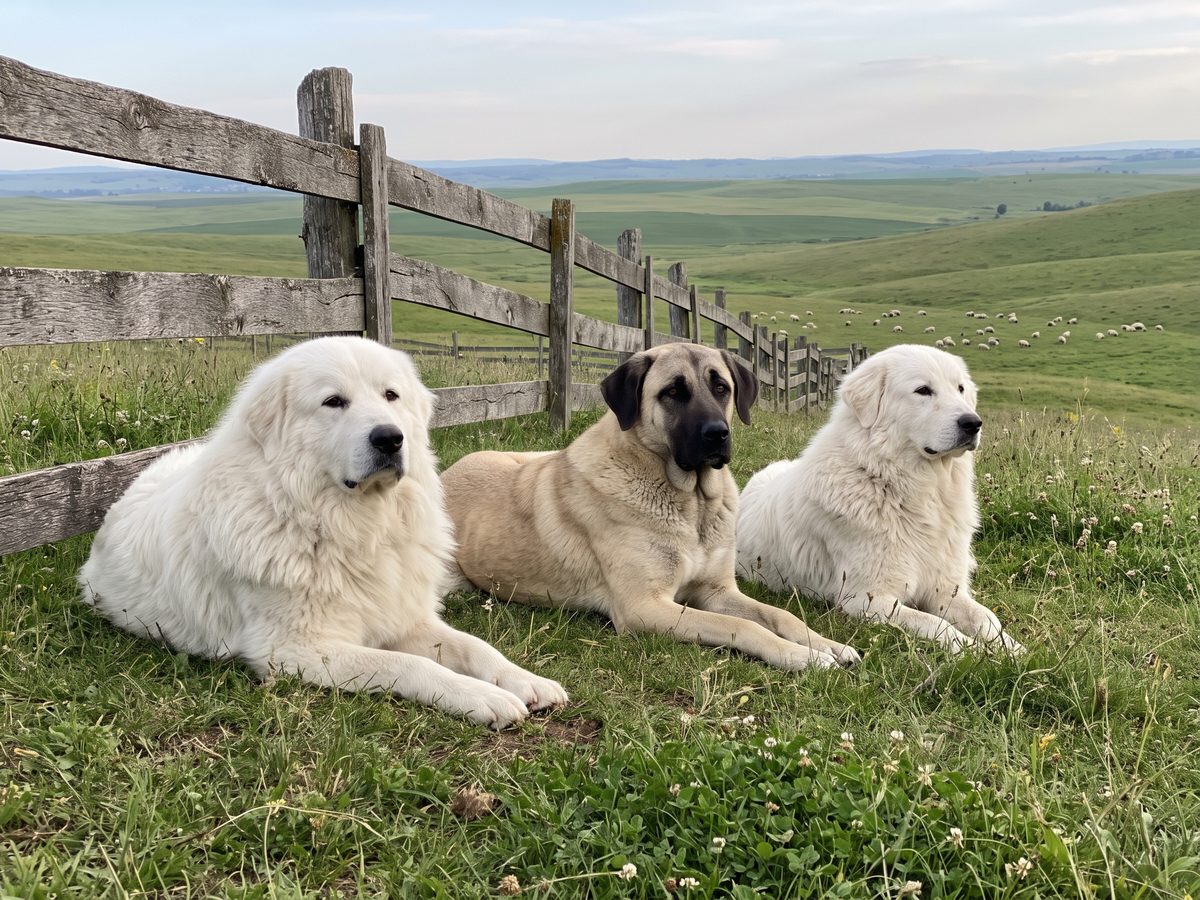
Guardians by Breeding
Unlike herding dogs, which work closely with a shepherd, guardian dogs live with the flock and decide for themselves what is a threat. That independence is the point of the breed. It doesn't switch off because the "flock" is now your family and your garden.
The Royal Kennel Club calls the UK versions of these breeds the Pyrenean Mountain Dog, the Anatolian Shepherd Dog and the Maremma Sheepdog.
Barking, Roaming and Independence
- Night barking: guardians bark to warn predators away, often at night. Neighbors may not appreciate it.
- Roaming: they patrol a wide territory and will expand it if they can. Fences must be high, solid and dig-proof.
- Recall: often unreliable; most owners never let them off-leash outside secure land.
- Strangers: calm with known people, wary of strangers and visiting dogs. Early, ongoing socialization matters.
- Training: they learn, but on their terms. Calm, patient, reward-based training works; drilling doesn't.
The Pet Home That Fits
The best pet homes for guardian breeds have space, strong fencing, room for a giant dog indoors, and neighbors at a distance. Smallholdings with goats or sheep are ideal; a city apartment rarely is. If you keep livestock, a working guardian needs training and introduction to the flock; see dogs and livestock.
Wherever you live, every dog owner is responsible for keeping a dog from chasing or worrying other people's livestock, and the law in many countries is strict about it. Rules differ by country, so check with your national authority.
How the Three Differ
- Great Pyrenees: a huge, fluffy white dog from the Pyrenees mountains; famously calm indoors and a heavy shedder.
- Anatolian Shepherd: from Turkey; the tallest of the three, with a shorter coat, and very independent.
- Maremma: an Italian white guardian, slightly smaller, widely used to guard flocks in Australia and elsewhere.
Gear for a Guardian Breed
Each button opens a search in your own country's Amazon store. As an Amazon Associate we earn from qualifying purchases.
An undercoat rake handles a heavy shed. A giant-breed harness and a long line help with walks and recall practice. A GPS tracker gives peace of mind for a dog that likes to roam, and a large raised cot gives an outdoor guardian somewhere off the ground to watch from.
Health: What to Ask the Breeder and Your Vet
In the UK, The Royal Kennel Club lists hip scoring for all three breeds, with elbow and eye testing for the Pyrenean Mountain Dog. Ask to see results for both parents. Feed a large or giant-breed puppy food so growth stays steady, and learn the signs of bloat, an emergency in deep-chested dogs; see our Great Dane page. Ask your vet about vaccinations, neutering timing and a parasite plan, especially for a dog living with livestock.
Worming, flea and tick products: see your vet or a pet supply store with trained staff. Dogs that live with sheep or goats may need a different plan.
Frequently Asked Questions
Big dogs, big personalities, common questions.
Can a Great Pyrenees live in a suburb?
Some do, with strong fencing, indoor living and tolerant neighbors, but night barking and roaming can be a problem. A rural home suits most better.
Why does my guardian dog bark at night?
It's the job: warning predators away in the dark. Bringing the dog indoors at night often helps.
Are livestock guardian dogs good with children?
Many are gentle and protective with their own family's children. They are huge and wary of strangers, so supervise with visitors.
Can they be trained off-leash?
Rarely reliably. Their independence and urge to patrol mean most owners keep them on a leash outside secure land.
Do they need livestock to be happy?
No, many live as family companions. They do need space, a secure territory and calm, consistent owners.
Related Reading
- Dogs and livestock: dogs on a smallholding.
- Newfoundland and Bernese: gentler giants.
- GPS collars vs tracker tags: finding a roamer.
Breed traits are tendencies, not promises. If your guardian dog's belly swells or it retches without bringing anything up, go to a vet straight away.