Dogs in the Countryside: Livestock, Nesting Birds and the Rules
Around Livestock
Sheep, cattle and other farm animals can be injured or killed by a chasing dog, and owners can be prosecuted in many countries. Keep your dog on a leash near livestock. If cattle threaten you, let go of the leash and get yourself to safety; your dog can usually outrun them. See dog law basics.
Ground-Nesting Birds
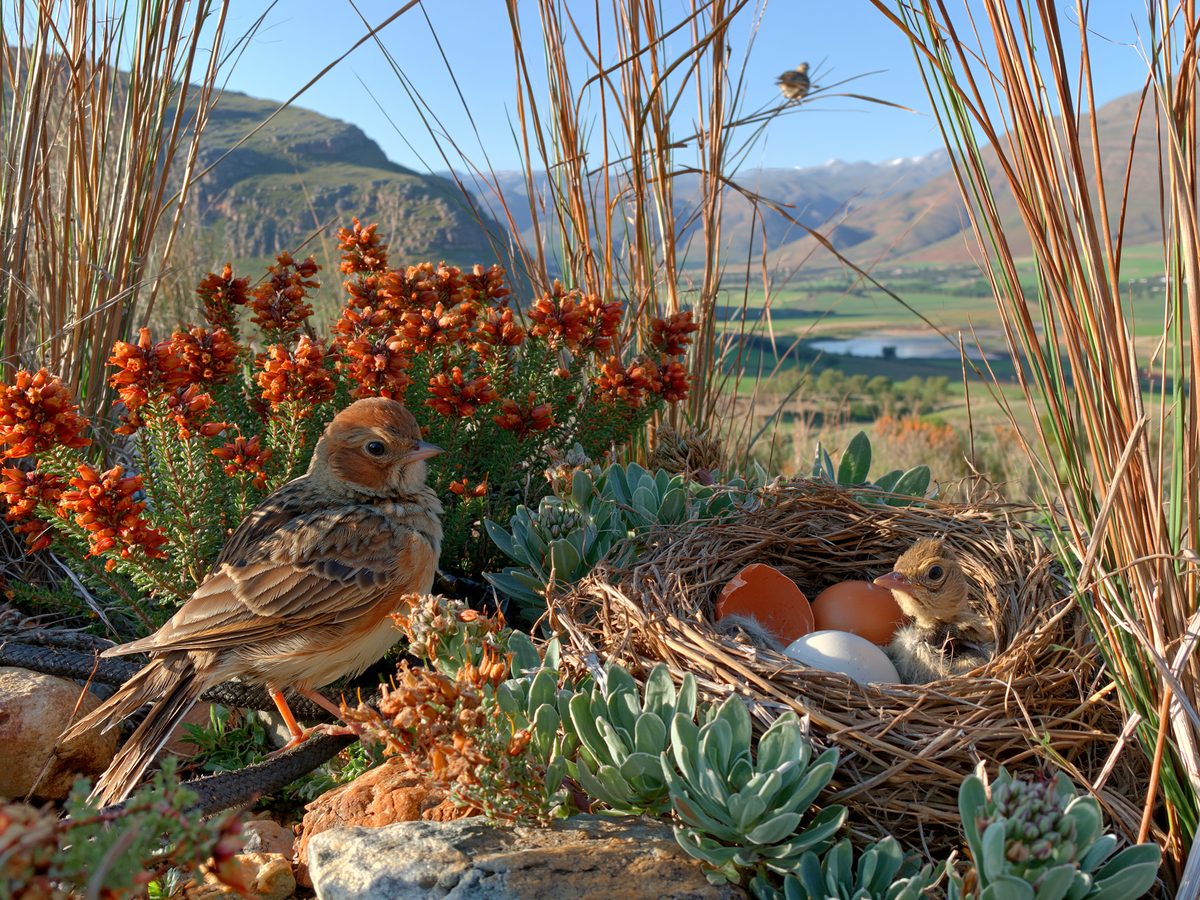
Birds such as skylarks, lapwings and curlews nest on the ground on moorland, heath, grassland, dunes and beaches. A dog running through can scare parents off nests, and eggs and chicks can be lost. In spring and early summer, keep your dog on a short leash or under close control in these places and stick to paths.
Pick Up, Every Time
Dog poo can spread illness to people, livestock and wildlife. Bag it and bin it, or take it home, even in fields and woods. Don't leave bags hanging on trees.
Gear for Country Walks
Each button opens a search in your own country's Amazon store. As an Amazon Associate we earn from qualifying purchases.
A short, strong leash for livestock and nesting areas, a long line for safe freedom where allowed, poop bags with a dispenser, and a high-visibility vest so your dog is easy to spot.
Frequently Asked Questions
Countryside questions, answered.
When is ground-nesting bird season?
Roughly spring to midsummer. In England and Wales, dogs must be on a leash on Open Access land from 1 March to 31 July.
What should I do if cattle chase us?
Let go of the leash and get yourself to safety. Your dog can usually outrun cattle.
Do I need to pick up poo in the countryside?
Yes. It can spread illness to people, livestock and wildlife.
Can I walk my dog in US national parks?
Often only on certain trails and on a leash. Check the park's rules first.
Related Reading
- Dog law basics: livestock and the law.
- Recall training: control off the leash.
- Hiking and camping with dogs: longer adventures.
After country walks, check your dog's coat, ears and paws for grass seeds and anything else that doesn't belong, and call your vet if you're unsure.