Australian Shepherd: Temperament, Jobs and Everyday Care
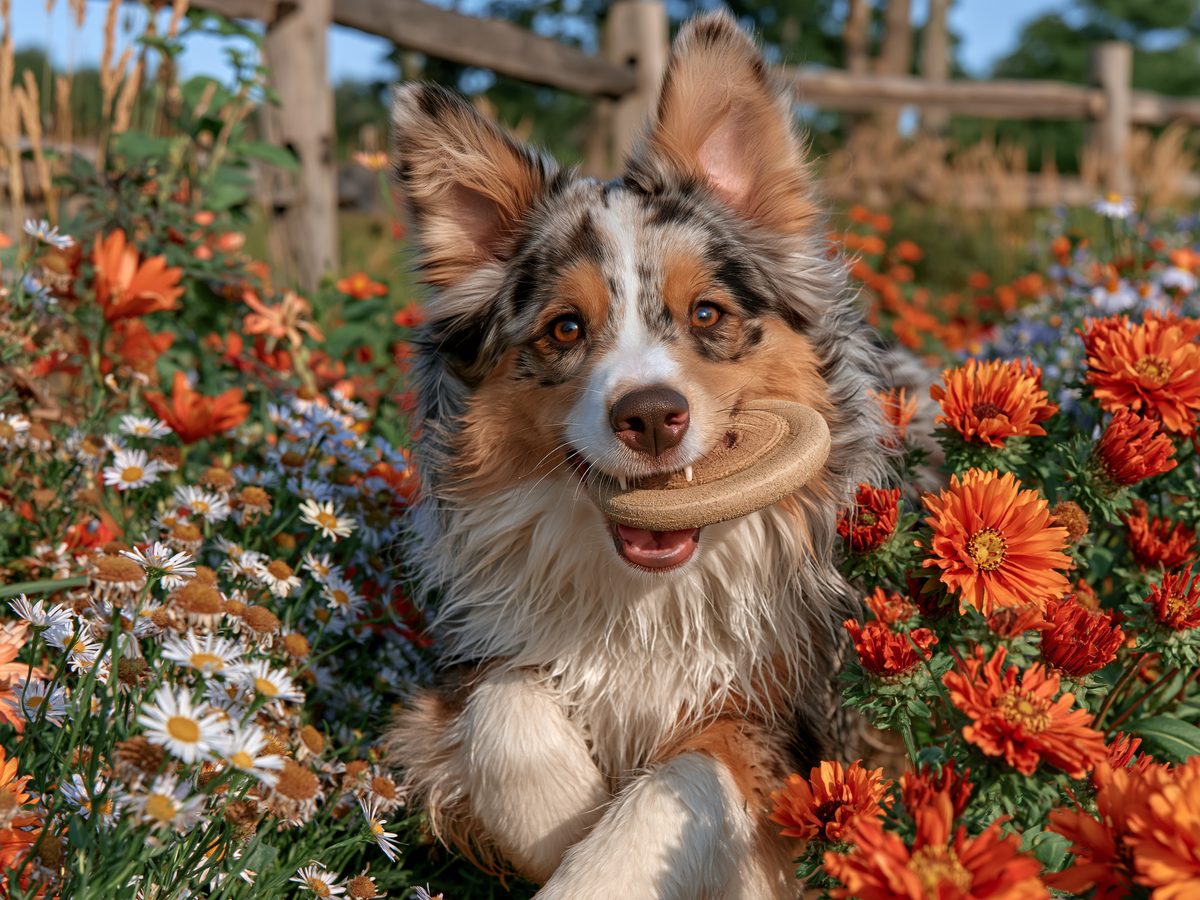
A Working Dog Looking for Its Next Job
Despite the name, the breed was developed in the United States as a ranch dog. Aussies are intelligent, energetic and devoted to their people, and often a little reserved with strangers.
They suit owners who hike, run, train or do dog sports. They are a hard fit for long days alone or a quiet, low-activity home.
A Working Brain in a Home Without Sheep
The Royal Kennel Club suggests more than two hours of exercise a day. Make some of it brain work: training, trick learning, scent games and sports such as agility, obedience, herding or flyball. Teach your Aussie to settle on a mat too, so it can switch off between activities. Our dog enrichment ideas help on rainy days.
Merle Coats and Breeding
Merle is the marbled coat pattern many people love in Aussies. Breeding two merle dogs together carries a known risk of puppies with hearing and sight problems, so responsible breeders don't do it. Ask the colors of both parents. A merle puppy from one merle parent and one non-merle parent is the usual, safer pairing.
Herding Nips and Children
Aussies may try to herd running children, bikes or other pets, sometimes with a nip at the heels. Supervise play, give your dog a calm job when the children are running about, and reward settled behavior. Socialize your puppy widely with calm people so reserve doesn't become worry.
Gear for a Busy Herder
Each button opens a search in your own country's Amazon store. As an Amazon Associate we earn from qualifying purchases.
A long line helps with recall practice, and a treat pouch keeps training rewards handy. A hard puzzle feeder turns meals into brain work, and a flying disc suits a dog that loves to run and catch. A slicker brush and undercoat rake look after the coat.
Health: What to Ask the Breeder and Your Vet
In the UK, The Royal Kennel Club lists a DNA test for collie eye anomaly as good practice for Aussie breeders, with DNA tests for hereditary cataracts, MDR1 and a form of progressive retinal atrophy, plus hip, elbow and eye screening, as best practice. In the US, ask for OFA hip and elbow results and eye exams. Ask to see results for both parents.
MDR1 is a gene variant that affects how some dogs react to certain medicines; if your dog is tested, tell every vet. Book a check-up soon after your dog comes home, and ask about vaccinations, neutering and a parasite plan.
Medicines, worming and flea or tick products: see your vet or a pet supply store with trained staff. Herding breeds can react differently to some medicines, so always get advice first.
Frequently Asked Questions
Energy, merles and herding come up most.
Are Australian Shepherds actually from Australia?
No. The breed as we know it was developed in the United States, working on ranches. How it got its name is still debated.
How much exercise does an Aussie need?
More than two hours a day for most adults, including training and brain games, not just running.
Why shouldn't two merles be bred together?
Puppies from two merle parents have a known risk of hearing and sight problems. Responsible breeders avoid that pairing.
Are Aussies good with children?
Often, with their own family, but some try to herd running children. Supervise play and teach calm games.
Do Australian Shepherds shed?
Yes. The double coat sheds all year and heavily at times. Brush a few times a week.
Related Reading
- Border Collie: the other famous working herder.
- Collie and Sheltie: gentler herding cousins.
- Dog training supplies: lines, pouches and clickers.
Breed traits are tendencies, not promises. If your Aussie's behavior changes suddenly or it seems unwell, call your vet.